Viewpoint: Why we should think twice about reflexively banning agricultural pesticides

Credit: Les Mills
Credit: Les Mills

Is banning pesticides in the public’s best interest?

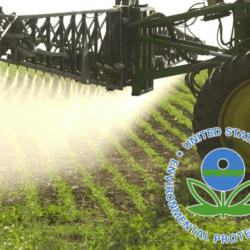
The answer is an emphatic yes when the science indicates that exposures are not safe. But does good science always get used in making decisions? Fortunately the answer is nearly always yes, with some exceptions. For example, EPA recently banned all uses of the pesticide Dursban (also know as chlorpyrifos). This was despite the fact EPA scientists determined levels of Dursban were safe on many crops when used according to its directions, even for sensitive humans and children.

Mis- and disinformation are distorting science and public policy. Subscribe to our Daily and Weekly Digests for incisive coverage of ‘disruptive’ innovations in AI, agricultural biotechnology, food, chemicals, nuclear energy, vaccines, and other disruptive innovations.

This ban prompted a lawsuit by a number of food producers for soybeans, sugarbeets and cherries asking the EPA to follow the findings of its own scientists.

But why would EPA ban all uses of Dursban when its own scientists said many of its uses were safe? The answer, as are many, is complex. But one reason is not the lack of qualified staff. EPA has highly credentialed staff, more so than many other organizations.

One of the reasons might have to do with environmental activists who want to ban all pesticides that cause toxicity to the nervous system of insects, and also in humans that get exposed from improper use.


This is an excerpt. Read the original post here.

Related Articles

Infographic: Global regulatory and health research agencies on whether glyphosate causes cancer

Infographic: Global regulatory and health research agencies on whether glyphosate causes cancer

Does glyphosate—the world's most heavily-used herbicide—pose serious harm to humans? Is it carcinogenic? Those issues are of both legal and ...

Most Popular

ChatGPT-Image-Mar-10-2026-01_39_01-PM
Viewpoint—“Miracle molecule” debunked: Why acemannan supplements don’t work
ChatGPT-Image-Sep-17-2026-12_28_43-PM
Vitamin D, omega-3 fish oil and glucosamine supplements could cause brain damage 
ChatGPT-Image-Sep-17-2026-10_17_15-AM
Viewpoint: Why are the less intelligent more likely to be conservative—and smarter people more socially liberal?
Screenshot-2026-09-10-at-12.20.19-PM
'Jet fuel didn't melt the steel': 9/11 conspiracy theories debunked
Eating Nuts Adds up to Longer Life x
For millions with peanut allergies, Nurtured Nuts’ CRISPR gene-edited peanuts could ease the fear of accidental exposure
ChatGPT-Image-Aug-28-2026-03_33_46-PM
Viewpoint: Bad science—Five bogus Trump administration claims about vaccines and autism
screenshot at  am
‘Glyphosate is not carcinogenic’: Independent EU chemical oversight agency reaffirms—for the 3rd time in 9 years—that the herbicide is safe-as-used
glp menu logo outlined

Get news on human & agricultural genetics and biotechnology delivered to your inbox.