Vagal hype: What’s behind the ‘natural health’ community’s focus on healing effects of ‘resetting’ vagus nerve?

Credit: Art of Living

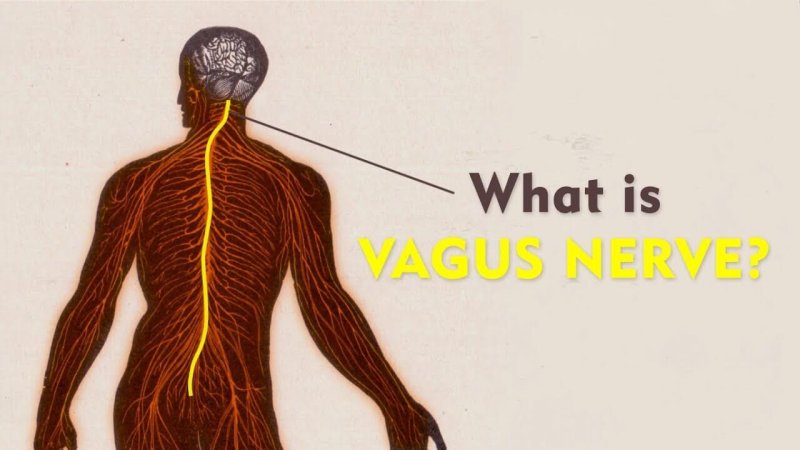
The vagus nerve is a darling of the all-natural healing crowd. Its complex arborescence makes it the ideal nerve on which wellness teachers can hang a multitude of claims. Online, it is feted as “the key to well-being,” “your superhighway to health,” and even “the physical manifestation of the soul.” Resetting this nerve through a series of routine interventions is professed to overcome anxiety and depression, improve your memory, and increase your altruism and success in life. 

Mis- and disinformation are distorting science and public policy. Subscribe to our Daily and Weekly Digests for incisive coverage of ‘disruptive’ innovations in AI, agricultural biotechnology, food, chemicals, nuclear energy, vaccines, and other disruptive innovations.

The vagus nerve is real, and there are genuine ways to treat medical conditions by tapping into our body’s information superhighway. But those all-natural interventions hyped up online? A closer look unravels them back into murkiness and wishful thinking.

When Simon Cork, Ph.D., a senior lecturer in physiology, was shown one of the most popular exercise videos on vagus nerve stimulation, he told Inverse that the recommendations the video made were not based on science. Our understanding of anxiety is still muddy. The invocation of the vagus nerve and of neuroplasticity—reshaping our malleable brain—may sound scientific and thus reliable, but it is pseudoscience in this context.

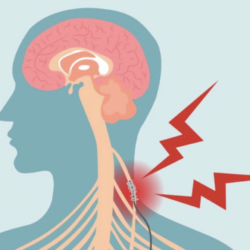
What the wellness community recommends for stimulating the vagus nerve—eye movements, meditation, massage, cold-water immersion, and singing and humming—, if it works, is likely to be beneficial through a very simple concept: relaxation.


This is an excerpt. Read the original post here

Related Articles

Infographic: Global regulatory and health research agencies on whether glyphosate causes cancer

Infographic: Global regulatory and health research agencies on whether glyphosate causes cancer

Does glyphosate—the world's most heavily-used herbicide—pose serious harm to humans? Is it carcinogenic? Those issues are of both legal and ...

Most Popular

ChatGPT-Image-Mar-10-2026-01_39_01-PM
Viewpoint—“Miracle molecule” debunked: Why acemannan supplements don’t work
ChatGPT-Image-Sep-17-2026-12_28_43-PM
Vitamin D, omega-3 fish oil and glucosamine supplements could cause brain damage 
ChatGPT-Image-Sep-17-2026-10_17_15-AM
Viewpoint: Why are the less intelligent more likely to be conservative—and smarter people more socially liberal?
Screenshot-2026-09-10-at-12.20.19-PM
'Jet fuel didn't melt the steel': 9/11 conspiracy theories debunked
Eating Nuts Adds up to Longer Life x
For millions with peanut allergies, Nurtured Nuts’ CRISPR gene-edited peanuts could ease the fear of accidental exposure
ChatGPT-Image-Aug-28-2026-03_33_46-PM
Viewpoint: Bad science—Five bogus Trump administration claims about vaccines and autism
screenshot at  am
‘Glyphosate is not carcinogenic’: Independent EU chemical oversight agency reaffirms—for the 3rd time in 9 years—that the herbicide is safe-as-used
glp menu logo outlined

Get news on human & agricultural genetics and biotechnology delivered to your inbox.