4th agricultural revolution: Former energy secretary and Nobel Laureate Steven Chu challenges US to adopt climate sustainable genetic engineering

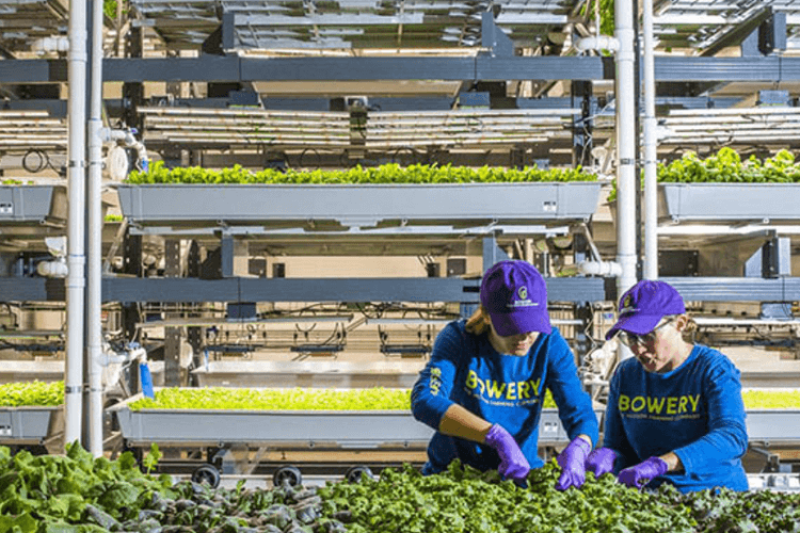
Credit: Green Money Journal

The first three agricultural revolutions allowed the human population to blossom by the billions, but they also had—in the words of Nobel Laureate Steven Chu—“unintended consequences.”
Mis- and disinformation are distorting science and public policy. Subscribe to our Daily and Weekly Digests for incisive coverage of ‘disruptive’ innovations in AI, agricultural biotechnology, food, chemicals, nuclear energy, vaccines, and other disruptive innovations.
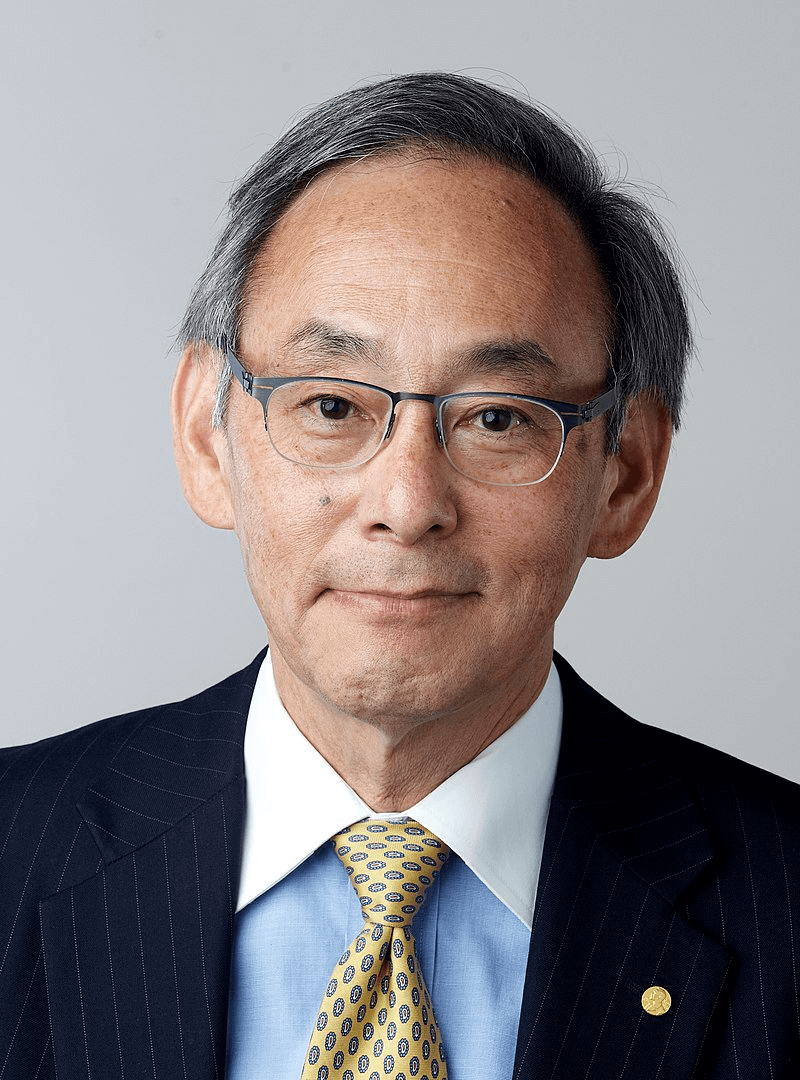
Steven Chu. Credit: Wikipedia

“There should be more efficient ways of doing this,” he said of feeding humanity, “and we really need a fourth agricultural revolution:

  • “We need improved crop yields with less fossil-based fertilizers and pesticides.”
  • “There’s an opportunity to restore carbon in the soil which we have been depleting since the beginning of agriculture.”
  • There is a need for plants that are more resistant to heat and drought.
  • There is a need for substitutes for beef and milk. “If beef and dairy cattle were a country,” Chu said, “their roughly five gigatons of co2 equivalent per year would be more emissions than any other country except China, and, well, actually they’re equal to the U.S. (emissions) at the moment.”
  • And if fallow fields are used to grow biomass for carbon capture, Chu said, those plants should be optimized for growth through genetic engineering.

“Unfortunately the GMO has a very bad reputation based on Roundup-Ready crops,” he said, referencing crops genetically modified to resist Monsanto’s herbicide Roundup, which had the unintended consequence, according to Harvard University, of producing Roundup-Ready “superweeds” that are much harder to control.


GMOs could have enjoyed a better reputation had their fame rested on genetically-fortified golden rice or on eggplant and cotton genetically modified with bacillus thuringiensis (BT) to resist pests.

“So that’s unfortunate,” Chu said. “You can’t undo history, but I’ll go back to what Norman Borlaug said: We’ll need GMOs to feed a population of 11 billion.”


Related Articles

Infographic: Global regulatory and health research agencies on whether glyphosate causes cancer

Infographic: Global regulatory and health research agencies on whether glyphosate causes cancer

Does glyphosate—the world's most heavily-used herbicide—pose serious harm to humans? Is it carcinogenic? Those issues are of both legal and ...

Most Popular

ChatGPT-Image-Mar-10-2026-01_39_01-PM
Viewpoint—“Miracle molecule” debunked: Why acemannan supplements don’t work
ChatGPT-Image-Sep-17-2026-12_28_43-PM
Vitamin D, omega-3 fish oil and glucosamine supplements could cause brain damage 
ChatGPT-Image-Sep-17-2026-10_17_15-AM
Viewpoint: Why are the less intelligent more likely to be conservative—and smarter people more socially liberal?
Screenshot-2026-09-10-at-12.20.19-PM
'Jet fuel didn't melt the steel': 9/11 conspiracy theories debunked
Eating Nuts Adds up to Longer Life x
For millions with peanut allergies, Nurtured Nuts’ CRISPR gene-edited peanuts could ease the fear of accidental exposure
screenshot at  am
‘Glyphosate is not carcinogenic’: Independent EU chemical oversight agency reaffirms—for the 3rd time in 9 years—that the herbicide is safe-as-used
ChatGPT-Image-Sep-15-2026-12_15_00-PM
Viewpoint: Women, depression and empathy: Explaining the gender gap in views about child-murderer Lindsay Clancy
glp menu logo outlined

Get news on human & agricultural genetics and biotechnology delivered to your inbox.