Exotic animals are off our plates for ethical reasons, but cell-cultivated meat could make cruelty-free substitutes a reality

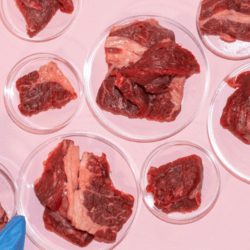
Suffice it to say, there are a lot of companies working toward—and money being invested in—making cruelty-free but biologically identical chicken, pork, beef, and seafood products for popular consumption. Credit: Kristina Armitage via Quanta Magazine

London-based company Primeval Foods focuses exclusively on cultivating exotic meats, such as lions, tigers, and zebras. Similarly, the Australian company Vow Foods is looking to address the problems of our modern food systems by exploring the possibilities of cell-cultivated zebra or elephant meat. In Europe, food tech company Paleo has a patent pending for cultivated strains of the protein heme (which is said to be what makes meat taste meaty) that are bioidentical to that of several common livestock animals, and one, well, not so common: the long-extinct wooly mammoth.

…

Cell-cultivated beef, chicken, pork, and fish are all poised to hopefully solve the problems caused by their respective industries. But given there still isn’t a comparable-size industry behind the sale of, say, lion meat, it’s hard to argue that exotic meat cultivation is solving any current societal problems, exactly. But could it be causing new ones?
Mis- and disinformation are distorting science and public policy. Subscribe to our Daily and Weekly Digests for incisive coverage of ‘disruptive’ innovations in AI, agricultural biotechnology, food, chemicals, nuclear energy, vaccines, and other disruptive innovations.

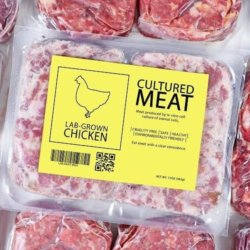
Furthermore, bringing exotic animals into conversations about cell-cultivated meat is a questionable public relations move. It’s true that tiger and wooly mammoth meat make for splashy headlines, and that attention could draw funding into the cell-cultivated meat industry at large. But to many consumers, the idea of “lab-grown” meat is still anything but appetizing. Plenty of people are still skeptical about the very concept, and aren’t ready for what they see as a science experiment to show up on their plates.


This is an excerpt. Read the original post here

Related Articles

Infographic: Global regulatory and health research agencies on whether glyphosate causes cancer

Infographic: Global regulatory and health research agencies on whether glyphosate causes cancer

Does glyphosate—the world's most heavily-used herbicide—pose serious harm to humans? Is it carcinogenic? Those issues are of both legal and ...

Most Popular

Screenshot-2026-10-19-at-11.09.17-AM
Vaccines, religious freedom, and protecting children’s health: New York Amish appeal to Supreme Court after $118,000 in vaccine fines for blocking shots
Screenshot 2026-10-16 at 11.17
Viewpoint: Latest attack on renewable energy and farmers, new USDA rules could put solar grants out of reach for small producers
ChatGPT-Image-Mar-10-2026-01_39_01-PM
Viewpoint—“Miracle molecule” debunked: Why acemannan supplements don’t work
png_cheese_Raw_milk
100% raw milk, 100% misguided: As MAHA-fueled demand for unpasteurized milk soars, American Academy of Pediatrics renews call for a ban on its sale and distribution
Serene Mature Woman in Abstract Waves
Testosterone’s growing appeal to women: It anecdotally mildly improves sex life, but are there any other potential benefits—or red flags?
Golden-GM-Emblem-with-EU-Stars
As Europe inches forward in its embrace of gene-edited crops, hopes abound that opposition to GMOs might fade
Mifeprex Boxes and Woman Drinking Water
RFK Jr.’s EPA capitulates to anti-abortionists, authorizes study of safe abortion pills which activists falsely claim are “poisoning” our water supply
ChatGPT-Image-May-28-2026-12_56_54-PM
Viewpoint: Vaccines' non-specific effects? The ‘shoddy’ Danish couple whose 'research’ inspires RFK, Jr.’s health delusion
Screenshot 2026-10-16 at 5.38
PFAS in Agriculture: Science, Uncertainty, and Risk Communication
Nutrition and Supplements Infinity Collage
Drugs and supplements can extend life and five other longevity myths
Screenshot 2026-10-19 at 11.19
How the “wellness” movement has turned into a rigid cultural belief system
sorghum farmers in kenya FARMERS TREND
Here are all the ways CRISPR gene editing is transforming Africa’s staple crops—and there’s a lot more innovation to come
Screenshot-2026-10-20-at-10.53.36-AM
World Health Organization calls Kennedy- and CDC-backed Guinea-Bissau hepatitis B vaccine study designed to ‘prove’ the danger of vaccines “unethical”
glp menu logo outlined

Get news on human & agricultural genetics and biotechnology delivered to your inbox.