Natural, plant-based air purifiers? This bioengineered houseplant can clean pollutants from the air

Plants are beautiful, almost magical organisms, turning CO2 into O2 for free, for everyone, forever. What if they could do the same with more harmful pollutants?Credit: Neoplants

A startup in Paris has developed a plant that could take over the work of 30 houseplants — and it’s just the beginning.

Neo P1, effectively a super-efficient air purifier, can metabolize four major indoor air pollutants and absorb certain volatile organic compounds, or VOCs. It’s the start of a revolution in plants that could lead to a dramatic new industry.

“Plant bioengineering is still so much in its infancy that it would be foolish to pretend to know what it could look like in 15 or 20 years,” Neoplants, the company behind the development, tells Interesting Engineering.

Mis- and disinformation are distorting science and public policy. Subscribe to our Daily and Weekly Digests for incisive coverage of ‘disruptive’ innovations in AI, agricultural biotechnology, food, chemicals, nuclear energy, vaccines, and other disruptive innovations.

“What we did is take one of those plants, Epipremnum aureum aka Pothos and engineer it in two main ways.
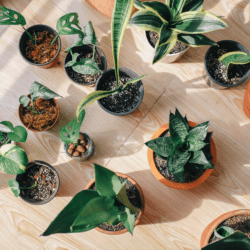
We inserted additional genes coding for enzymatic chains that allow the plant to integrate the most harmful VOCs ie. Formaldehyde, Benzene, Toluene and Xylene, in its endogenous carbon metabolism. In other words, we allow the plant to “breath in” these pollutants and use them in a similar way it uses CO2.

We used directed evolution techniques to create strains of beneficial plant bacteria that are extremely efficient at degrading the same VOCs, and that are able to live symbiotically with Neo P1,” [said CEO Lionel Mora and CTO Patrick Torbey].


This is an excerpt. Read the original post here

Related Articles

Infographic: Global regulatory and health research agencies on whether glyphosate causes cancer

Infographic: Global regulatory and health research agencies on whether glyphosate causes cancer

Does glyphosate—the world's most heavily-used herbicide—pose serious harm to humans? Is it carcinogenic? Those issues are of both legal and ...

Most Popular

ChatGPT-Image-Mar-10-2026-01_39_01-PM
Viewpoint—“Miracle molecule” debunked: Why acemannan supplements don’t work
Prescription Capsules Scattered on Twenty-Dollar Bills
Facts & Fallacies podcast: America's health care system is broken. A doctor explains how to fix it, Part 2
Screenshot-2026-10-12-at-10.44.38-AM
Widely condemned as unethical, hepatitis B vaccine study funded by RFK Jr’s CDC gets a final greenlight
newborn baby spit up gerd
Vaccine-preventable congenital infections are a leading driver of autism
Screenshot-2026-10-08-at-10.41.33-AM
Viewpoint: Wellness patches: Most vitamin supplements are useless and sometimes even dangerous, but this craze is even worse
Cross and Syringe Standoff
Viewpoint: Hijacking Jesus: How anti-vaccine fanatics are exploiting religious exemptions and killing children
Deepfake Democracy Media Mosaic
31 states have passed a patchwork of laws to limit election deepfake commercials. They’re not working very well.
Screenshot-2026-10-14-at-11.45.36-AM
Viewpoint: RFK Jr.’s stacked FDA advisory council endorses multicancer screening test from ethically- questionable company that would increase false positives and waste billions of dollars
generated-1790707585414
Facts & Fallacies podcast: America's health care system is broken. A doctor explains how to fix it
ChatGPT-Image-Sep-2-2026-02_03_32-PM
How much of a problem is AI’s water use?
glp menu logo outlined

Get news on human & agricultural genetics and biotechnology delivered to your inbox.