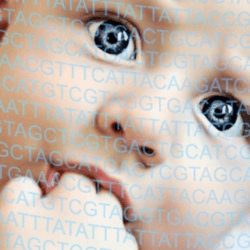
How do you metabolize medication and what is your risk of diseases? 150,000 volunteer study participants are gaining access to the results

Credit: Cedars-Sinai

Michelle Anderson recently learned her body metabolizes medicines more slowly than average.

It was a small piece of information, but a “eureka” moment for Anderson, “not because it was a surprise, but because it was a validation of what I know about my body.”

Now, when she gets a prescription, she said she feels empowered to tell her doctor that she’ll likely need a low dose – not based on her own instincts, but because of what her genetics showed. “It gives you information that makes you somewhat on an equal playing field when you go to your doctor’s office.”

Anderson, 54, a “gently retired” registered nurse from Boston, said that’s just one of the benefits she’s received by participating in the federal All of Us Research Program.
The program, run by the National Institutes of Health, has analyzed the genes of about 150,000 volunteers, including Anderson.

Mis- and disinformation are distorting science and public policy. Subscribe to our Daily and Weekly Digests for incisive coverage of ‘disruptive’ innovations in AI, agricultural biotechnology, food, chemicals, nuclear energy, vaccines, and other disruptive innovations.

About half the participants who have had their genes sequenced so far identify as belonging to a racial or ethnic minority and even more are either low-income, have a disability, live in a rural location or are otherwise historically underrepresented in research.


This is an excerpt. Read the original post here

Related Articles

Infographic: Global regulatory and health research agencies on whether glyphosate causes cancer

Infographic: Global regulatory and health research agencies on whether glyphosate causes cancer

Does glyphosate—the world's most heavily-used herbicide—pose serious harm to humans? Is it carcinogenic? Those issues are of both legal and ...

Most Popular

ChatGPT-Image-Sep-17-2026-12_28_43-PM
Vitamin D, omega-3 fish oil and glucosamine supplements could cause brain damage 
ChatGPT-Image-Mar-10-2026-01_39_01-PM
Viewpoint—“Miracle molecule” debunked: Why acemannan supplements don’t work
ChatGPT-Image-Sep-17-2026-10_17_15-AM
Viewpoint: Why are the less intelligent more likely to be conservative—and smarter people more socially liberal?
Screenshot-2026-09-10-at-12.20.19-PM
'Jet fuel didn't melt the steel': 9/11 conspiracy theories debunked
Screenshot-2026-09-16-at-12.07.47-PM
The heated debate over trans athletes in the WNBA
Screenshot 2026-07-29 at 10.40
The COVID vaccine turbo cancer scare is back. Science still proves it’s wrong.
Screenshot-2026-09-10-at-11.50.46-AM
Did COVID vaccines kill 2,500 service members? RFK Jr. hires an investigator who compares vaccine promoters to Nazi doctors
ChatGPT-Image-Aug-28-2026-03_33_46-PM
Viewpoint: Bad science—Five bogus Trump administration claims about vaccines and autism
glp menu logo outlined

Get news on human & agricultural genetics and biotechnology delivered to your inbox.