Unregulated peptides are the latest weight loss and energy-boosting fad. What’s the science?

Unregulated peptides are the latest weight loss and energy boosting fad. What's the science?
Credit: Pixabay/ CDD20

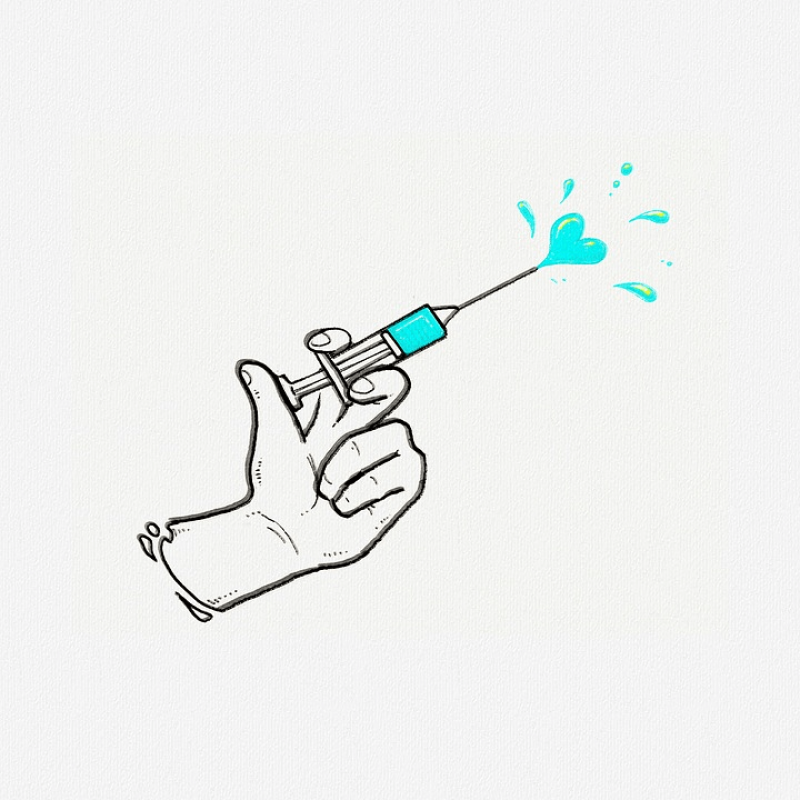
After decades of turning to diet pills, steroids and plastic surgery to alter their bodies inside and out, people are increasingly open to an alternative method: injecting themselves with peptides at home.

Proponents say that peptides—a broad category of substances including FDA-approved drugs, supplements and experimental treatments—can help them build lean muscle, shed weight, increase energy and get a dewy glow. Though the term has appeared on a range of consumer products for years, injectable peptides are getting more attention as celebrity doctors and influencers share stories of physiological transformations that go beyond diet and exercise.

These substances are being prescribed to patients by doctors as well as paramedical providers such as nurses and naturopaths, even though several in-demand peptides are not approved by regulators. The lack of oversight has raised concerns about the purity of ingredients, improper dosing and unknown side effects. But advocates say they’re comfortable with any risks.

Follow the latest news and policy debates on sustainable agriculture, biomedicine, and other ‘disruptive’ innovations. Subscribe to our newsletter.

Some clients remain squeamish about at-home injections, Ms. Sherrill said. But she has seen interest rise over the past two years, especially as Type 2 diabetes drug Ozempic, which is taken by injection, has gained traction among people looking to lose some weight.


This is an excerpt. Read the full article here

{{ reviewsTotal }}{{ options.labels.singularReviewCountLabel }}
{{ reviewsTotal }}{{ options.labels.pluralReviewCountLabel }}
{{ options.labels.newReviewButton }}
{{ userData.canReview.message }}

Related Articles

Infographic: Global regulatory and health research agencies on whether glyphosate causes cancer

Infographic: Global regulatory and health research agencies on whether glyphosate causes cancer

Does glyphosate—the world's most heavily-used herbicide—pose serious harm to humans? Is it carcinogenic? Those issues are of both legal and ...

Most Popular

Screenshot-2026-04-14-at-11.11.06-AM
‘Turbo cancer’ or mRNA cancer cure? Strategies to counter misinformation
Picture1
The Orange Bowl without oranges: Can CRISPR save Florida citrus?
ChatGPT-Image-May-22-2026-10_26_09-AM
Gutting the National Science Board: How the Trump-RFK, Jr. crusade is erasing the separation of science and state
Screenshot 2025-11-12 at 3.28
GLP podcast: Evolutionary biologist debunks the 'sex spectrum'
ChatGPT-Image-May-26-2026-09_19_32-AM
Viewpoint— “A safe space to chat, flirt, and be intimate without sex”: Are new AI companies exploiting vulnerable asexuals?
Screenshot-2026-04-22-at-12.21.32-PM
Viewpoint: Why the retracted Monsanto glyphosate study doesn’t change the science—the world’s most popular herbicide is safe 
Screenshot 2026-05-22 at 3.28
Vagus nerve wellness grift: How to build a billion dollar business. Are you listening, Kelly Ripa?
ChatGPT-Image-May-26-2026-09_04_31-AM-2
Hantavirus revives COVID-era conspiracies and distrust in public health 
ChatGPT-Image-Mar-10-2026-01_39_01-PM
Viewpoint—“Miracle molecule” debunked: Why acemannan supplements don’t work
Screenshot-2026-05-26-at-9.48.42-AM
Seed oil panic: RFK Jr. and influencers made linoleic acid a dietary villain and heart risk. Evidence points the other way — replacing them with animal fat is.
global warming
‘Implausible’: Top climate scientists reject worst-case scenario—soaring temperatures and fast-rising sea levels
ChatGPT-Image-Apr-16-2026-02_56_53-PM
Financial incentives, over diagnosis, and weak oversight: Autism claims are driving up Medicare costs
glp menu logo outlined

Get news on human & agricultural genetics and biotechnology delivered to your inbox.