Cell-based? Lab-grown? Synthetic? Budding cultured meat industry needs global standardized nomenclature

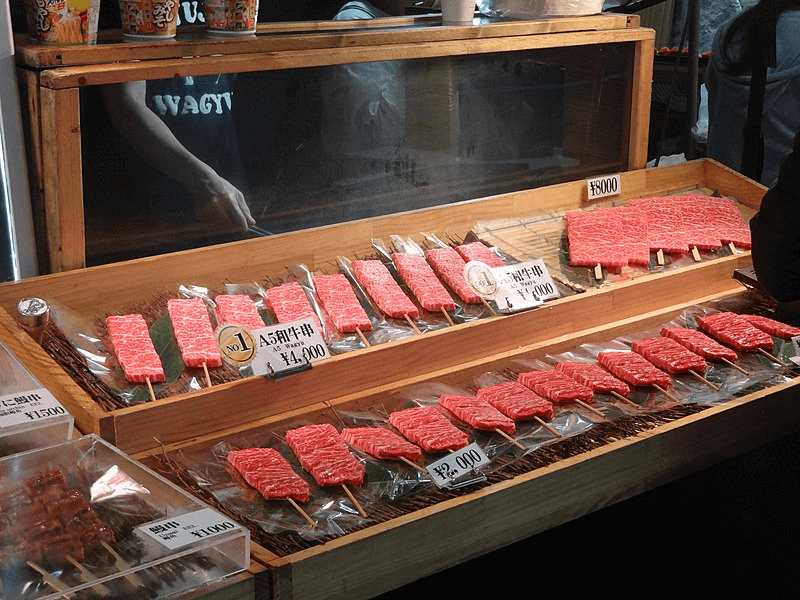
Naming meat grown from animal cells can become widespread and regulated only after there is consensus on naming. Credit: Henrysz via CC0-1.0

What would you call a food that’s made by cultivating animal cells in a tank? Is it still “steak” or “chicken” if it gives you a similar experience in terms of taste and nutrients, but doesn’t require livestock or poultry to be killed in order to serve it up? For us to know exactly what we are getting, clearly the name we give it is important. Also crucial is how the terminology plays into the process of making sure the food is safe.

Mis- and disinformation are distorting science and public policy. Subscribe to our Daily and Weekly Digests for incisive coverage of ‘disruptive’ innovations in AI, agricultural biotechnology, food, chemicals, nuclear energy, vaccines, and other disruptive innovations.

Another challenge is that several of the terms need to be used as qualifiers before the word “meat” to avoid being too vague. That can give rise to questions about whether the product needs to be regulated as meat — with all the religious or other requirements that this type of food brings with it in some countries. How do these new foods fit into halal and kosher dietary rules for example?

FAO’s analysis of the terminology question suggests the best choice of wording for now seems to be “cell-based” foods, Takeuchi says, although she says the Organization is keeping an open mind about it.


This is an excerpt. Read the original post here

Related Articles

Infographic: Global regulatory and health research agencies on whether glyphosate causes cancer

Infographic: Global regulatory and health research agencies on whether glyphosate causes cancer

Does glyphosate—the world's most heavily-used herbicide—pose serious harm to humans? Is it carcinogenic? Those issues are of both legal and ...

Most Popular

Screenshot-2026-09-16-at-2.26.42-PM
Viewpoint: How to ecologically damage America’s forests: Ban glyphosate
Screenshot-2026-09-20-at-9.03.54-AM
From Malaysia to the world: A pioneering science communicator reimagines global science communication for a digital age
ChatGPT-Image-Sep-17-2026-12_28_43-PM
Vitamin D, omega-3 fish oil and glucosamine supplements could cause brain damage 
Screenshot-2026-09-20-at-4.31.28-PM
White House drafting executive order to control what OMB Director Vought claims are “woke” NIH science grants
ChatGPT-Image-Mar-10-2026-01_39_01-PM
Viewpoint—“Miracle molecule” debunked: Why acemannan supplements don’t work
ChatGPT-Image-Sep-20-2026-04_22_32-PM
What’s Trump’s ‘AI Force’? Administration rushes to announce ill-defined watchdog agency and czar amid criticism of its resistance to curb AI acceleration
Screenshot-2026-08-12-at-11.31.46-AM
AI is helping develop new vaccines
Screenshot-2026-08-19-at-6.19.42-PM
Facts & Fallacies podcast: 'Regenerative farming'? RFK Jr.’s federal push romanticizes the past and risks food security
Screenshot-2026-09-14-at-4.31.14-PM
Viewpoint: What’s the likely impact when the EPA loosens rules limiting methane pollution from oil and gas wells?
ChatGPT-Image-Sep-18-2026-10_49_24-AM
‘Symptom borrowing’: Young people are copying health problems they see on TikTok
ChatGPT-Image-Aug-28-2026-03_33_46-PM
Viewpoint: Bad science—Five bogus Trump administration claims about vaccines and autism
ChatGPT-Image-Sep-11-2026-01_53_42-PM
Should doctors engage in social media to counter misinformation?
glp menu logo outlined

Get news on human & agricultural genetics and biotechnology delivered to your inbox.