You can’t label it feta: Europe ignites food war with US, demanding that only cheeses produced in their origin region can use ‘historically trademarked’ names

screenshot at am
Credit: Anna Pyshniuk via Pixels

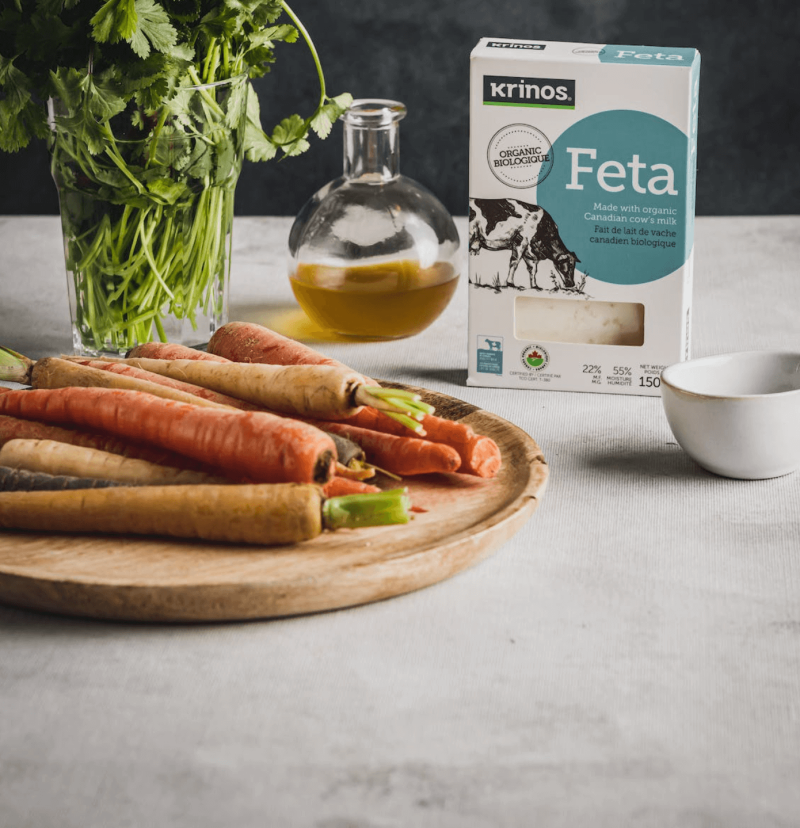
The U.S. cheese industry in particular has chafed against the EU regulations, which protect almost 300 cheeses. To be called feta, the cheese must be made in Greece. Gorgonzola cheese has to be from Italy.

Along with increasing the number of protected products, the EU is looking to ease the application process for producers to add their foods to the list. U.S. food makers worry that this will rope in other products, including cured meats. They aren’t challenging the EU protections around “Prosciutto di Parma,” but they want to continue to use the words prosciutto, bologna and chorizo. 

“You cannot take something that has been in the public domain for decades—centuries in some cases—and all of a sudden, overnight, decide that name doesn’t belong to the public,” said Jaime Castaneda, executive director of the Consortium for Common Food Names.

Mis- and disinformation are distorting science and public policy. Subscribe to our Daily and Weekly Digests for incisive coverage of ‘disruptive’ innovations in AI, agricultural biotechnology, food, chemicals, nuclear energy, vaccines, and other disruptive innovations.

EU officials say their system doesn’t prevent U.S. producers from selling their wares abroad—it only limits how they can label certain items in the EU and other countries where these protections are part of trade agreements.
U.S. producers said the EU’s labeling restrictions can dissuade them from exporting, or add expense if they choose to continue selling abroad with new packaging.


This is an excerpt. Read the original post here

Related Articles

Infographic: Global regulatory and health research agencies on whether glyphosate causes cancer

Infographic: Global regulatory and health research agencies on whether glyphosate causes cancer

Does glyphosate—the world's most heavily-used herbicide—pose serious harm to humans? Is it carcinogenic? Those issues are of both legal and ...

Most Popular

ChatGPT-Image-Mar-10-2026-01_39_01-PM
Viewpoint—“Miracle molecule” debunked: Why acemannan supplements don’t work
ChatGPT-Image-Sep-17-2026-12_28_43-PM
Vitamin D, omega-3 fish oil and glucosamine supplements could cause brain damage 
ChatGPT-Image-Sep-17-2026-10_17_15-AM
Viewpoint: Why are the less intelligent more likely to be conservative—and smarter people more socially liberal?
Screenshot-2026-09-10-at-12.20.19-PM
'Jet fuel didn't melt the steel': 9/11 conspiracy theories debunked
Eating Nuts Adds up to Longer Life x
For millions with peanut allergies, Nurtured Nuts’ CRISPR gene-edited peanuts could ease the fear of accidental exposure
ChatGPT-Image-Aug-28-2026-03_33_46-PM
Viewpoint: Bad science—Five bogus Trump administration claims about vaccines and autism
ChatGPT-Image-Sep-15-2026-12_15_00-PM
Viewpoint: Women, depression and empathy: Explaining the gender gap in views about child-murderer Lindsay Clancy
glp menu logo outlined

Get news on human & agricultural genetics and biotechnology delivered to your inbox.