Obesity drugs Ozempic and Wegovy are upending the health care system. Should we be concerned?

wegovy
Credit. Drugs.com

Novo Nordisk and Eli Lilly are about to start raking in tens of billions of dollars a year on their new obesity drugs, say Wall Street analysts. That’s great news for the drugmakers, certainly, but it could be a disaster for the companies and government agencies set to pick up the bill.

The new medicines, known as GLP-1 receptor agonists, promise body weight reductions of as much as 20%, and may cut patients’ risk of heart attack or stroke. By all appearances, they’re the most effective safe weight-loss drugs in history.

Mis- and disinformation are distorting science and public policy. Subscribe to our Daily and Weekly Digests for incisive coverage of ‘disruptive’ innovations in AI, agricultural biotechnology, food, chemicals, nuclear energy, vaccines, and other disruptive innovations.

No surprise, then, that the demand for these medicines is huge and projected to get even larger as more supply comes on-line and more GLP-1s win Food and Drug Administration approval for weight loss.
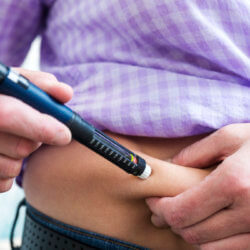

But what has gotten less attention is the healthcare crisis that could come as spending on the drugs threatens to overwhelm the insurers, employers, and government programs that buy the country’s medicines. The financial crunch would probably peak from 2025, when Medicare coverage of the medicines might begin, to 2027, when the cost of some of the drugs could start to drop.

This is an excerpt. Read the original post here (behind paywall)

Related Articles

Infographic: Global regulatory and health research agencies on whether glyphosate causes cancer

Infographic: Global regulatory and health research agencies on whether glyphosate causes cancer

Does glyphosate—the world's most heavily-used herbicide—pose serious harm to humans? Is it carcinogenic? Those issues are of both legal and ...

Most Popular

Screenshot-2026-10-19-at-11.09.17-AM
Vaccines, religious freedom, and protecting children’s health: New York Amish appeal to Supreme Court after $118,000 in vaccine fines for blocking shots
Screenshot 2026-10-16 at 11.17
Viewpoint: Latest attack on renewable energy and farmers, new USDA rules could put solar grants out of reach for small producers
ChatGPT-Image-Mar-10-2026-01_39_01-PM
Viewpoint—“Miracle molecule” debunked: Why acemannan supplements don’t work
Serene Mature Woman in Abstract Waves
Testosterone’s growing appeal to women: It anecdotally mildly improves sex life, but are there any other potential benefits—or red flags?
png_cheese_Raw_milk
100% raw milk, 100% misguided: As MAHA-fueled demand for unpasteurized milk soars, American Academy of Pediatrics renews call for a ban on its sale and distribution
Mifeprex Boxes and Woman Drinking Water
RFK Jr.’s EPA capitulates to anti-abortionists, authorizes study of safe abortion pills which activists falsely claim are “poisoning” our water supply
Screenshot 2026-10-16 at 5.38
PFAS in Agriculture: Science, Uncertainty, and Risk Communication
ChatGPT-Image-May-28-2026-12_56_54-PM
Viewpoint: Vaccines' non-specific effects? The ‘shoddy’ Danish couple whose 'research’ inspires RFK, Jr.’s health delusion
Golden-GM-Emblem-with-EU-Stars
As Europe inches forward in its embrace of gene-edited crops, hopes abound that opposition to GMOs might fade
Screenshot 2026-10-19 at 11.19
How the “wellness” movement has turned into a rigid cultural belief system
sorghum farmers in kenya FARMERS TREND
Here are all the ways CRISPR gene editing is transforming Africa’s staple crops—and there’s a lot more innovation to come
Screenshot-2026-10-20-at-10.53.36-AM
World Health Organization calls Kennedy- and CDC-backed Guinea-Bissau hepatitis B vaccine study designed to ‘prove’ the danger of vaccines “unethical”
Discarded Green Cap on Public Trash Can
'Blatant slap in the face': MAHA activists turn on RFK Jr. and Trump administration
glp menu logo outlined

Get news on human & agricultural genetics and biotechnology delivered to your inbox.