Genes and sexuality: Could epigenetics help us understand the mystery of sexual orientation?

f d c
Credit: Aaron Edwards/Flickr (CC BY-NC 2.0)

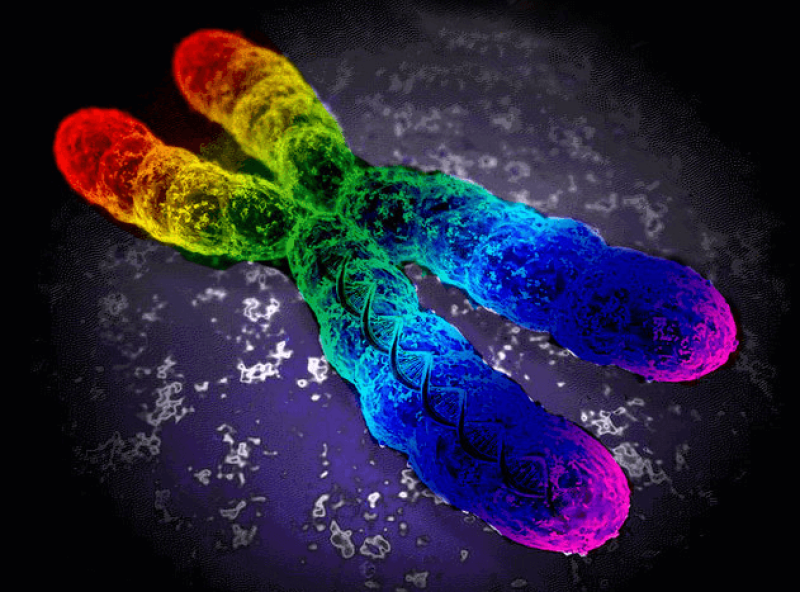
Reports of genes that “cause” human homosexuality (and many other human behaviours) have failed to stand up to scrutiny – there is no “gay gene” in the sense that no one has identified genetic markers or genes that reliably predict sexual orientation in humans.

Follow the latest news and policy debates on sustainable agriculture, biomedicine, and other ‘disruptive’ innovations. Subscribe to our newsletter.

The epigenetic hypothesis for the widespread occurrence of human homosexuality is based on the possibility of epigenetic inheritance of adjustments to a foetus’s testosterone sensitivity. Like most other epigenetic marks, sex-specific epigenetic marks are established anew in the early embryo following fertilisation.

Thus, most of the sex-specific epigenetic marks on genes that are involved in testosterone sensitivity are scrubbed off and re-established in a reliably sex-specific pattern well before the gonads become differentiated into either testes or ovaries. However, not all epigenetic marks are completely erased during embryo development, and it is therefore possible that there is some transgenerational transfer of epigenetic settings for testosterone sensitivity. This could affect sexual phenotype, sexual identity and sexual attraction.


This is a potentially important idea because it may explain the strong tendency for twins to have similar sexual preferences, but for this tendency to be no stronger between identical twins than it is between non-identical twins. This suggests epigenetic inheritance from one or other parent, but not genetic inheritance.


This is an excerpt. Read the original post here

{{ reviewsTotal }}{{ options.labels.singularReviewCountLabel }}
{{ reviewsTotal }}{{ options.labels.pluralReviewCountLabel }}
{{ options.labels.noReviewsLabel }}
{{ options.labels.newReviewButton }}
{{ userData.canReview.message }}

Related Articles

Infographic: Global regulatory and health research agencies on whether glyphosate causes cancer

Infographic: Global regulatory and health research agencies on whether glyphosate causes cancer

Does glyphosate—the world's most heavily-used herbicide—pose serious harm to humans? Is it carcinogenic? Those issues are of both legal and ...

Most Popular

ChatGPT-Image-Mar-10-2026-01_39_01-PM
Viewpoint—“Miracle molecule” debunked: Why acemannan supplements don’t work
Screenshot 2026-07-22 at 1.38
Viewpoint: Are the U.S. and Europe headed towards a repudiation of agricultural biotechnology red tape?
Screenshot-2026-07-27-at-3.23.14-PM
Prioritizing AI, robotics, and nuclear energy: Trump administration is guiding research funding away from independent universities to private companies
ChatGPT-Image-May-26-2026-11_51_01-AM
Viewpoint: RFK, Jr.’s depressingly misguided (and litigator-funded) crusade against antidepressants
png-terrace-Farm-asia
Europe’s tentative embrace of agricultural gene editing could revolutionize food production and health in Asia
ChatGPT-Image-Jul-26-2026-05_35_53-PM
FDA takes up peptide therapies as hype outpaces science
ChatGPT-Image-Jul-26-2026-05_58_17-PM
Louisiana and Texas bring RFK,Jr.- MAHA-backed restrictions on dyes and other ‘controversial’ ingredients to eight states
Screenshot 2026-07-27 at 6.15
No test, no tennis: Women’s Tennis Association becomes first major female sports league to require genetic sex testing
ChatGPT-Image-Jul-10-2026-09_42_12-AM-1
Peptides, patient autonomy, and the limits of medical freedom
organic scaled
Facts & Fallacies podcast: Organic food cuts pesticide exposure? A response to Dr. Rhonda Patrick
ChatGPT-Image-Jul-22-2026-09_13_07-AM
Viewpoint—The Strategic Litigation boom: Understanding the tightening coalition among NGOs, foundations, journalists, and tort lawyers
ChatGPT-Image-Jul-9-2026-11_33_49-AM
Viewpoint: High-dose resveratrol supplements to extend health and life? Don’t waste your money.
Screenshot-2026-07-07-at-12.55.44-PM
Viewpoint: Yes, we can adapt to a changing climate without devastating the environment and the economy
ChatGPT-Image-Jun-25-2026-12_23_17-PM
No, Bill Gates did not secretly engineer ticks to promote veganism
glp menu logo outlined

Get news on human & agricultural genetics and biotechnology delivered to your inbox.