Beverages, meats, fruits and vegetables: CRISPR poised to offer more sustainable alternatives

yqlmhxj ypo dnecntv c ia
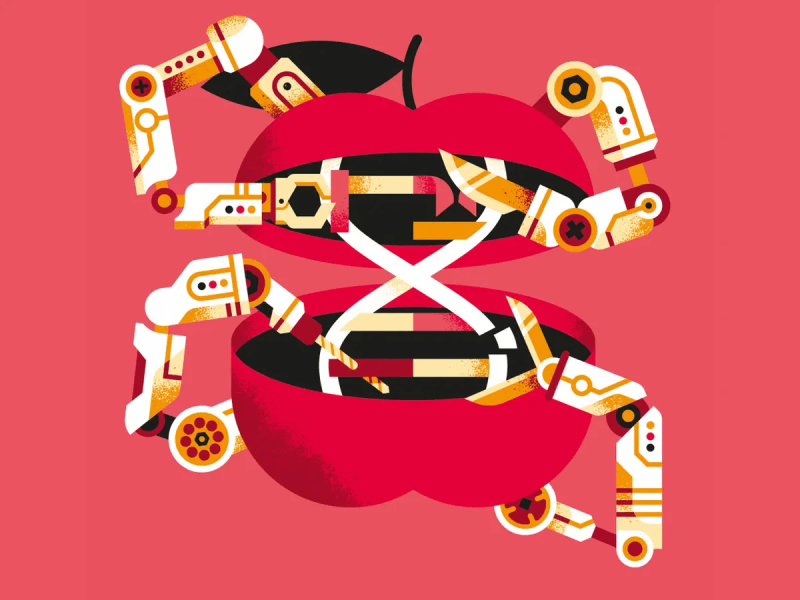
Credit: Popular Science

Although vegetarian and vegan diets have risen in popularity over the years, humankind’s appetite for meat is still insatiable. By 2031, it is estimated that the global demand for meat will rise by 15%, adding to an already substantial environmental burden.

Many are looking to cultured meat as a potential solution to both the ethical and environmental problems posed by mass meat consumption.

Follow the latest news and policy debates on sustainable agriculture, biomedicine, and other ‘disruptive’ innovations. Subscribe to our newsletter.

Meat might be the most high-profile use of CRISPR-Cas9 genome editing in the food industry, but there are plenty of others to sink our teeth into.

For example, CRISPR-Cas9 has been used to engineer bacteria and yeast to produce the casein and whey, the principle protein components of milk.

CRISPR genome engineering has also been used in various yeast strains to take food and drink production to the next level.

However, in order to realize the potential environmental and ethical benefits of bioproduced food, there needs to be widespread support from both the industry and the public. Unfortunately, there’s been a lot of historical confusion and fearmongering around genetic modification of foodstuffs, and whether a particular product is classified as GMO or not is dependent on where you are based.


This is an excerpt. Read the original post here

{{ reviewsTotal }}{{ options.labels.singularReviewCountLabel }}
{{ reviewsTotal }}{{ options.labels.pluralReviewCountLabel }}
{{ options.labels.newReviewButton }}
{{ userData.canReview.message }}

Related Articles

Infographic: Global regulatory and health research agencies on whether glyphosate causes cancer

Infographic: Global regulatory and health research agencies on whether glyphosate causes cancer

Does glyphosate—the world's most heavily-used herbicide—pose serious harm to humans? Is it carcinogenic? Those issues are of both legal and ...

Most Popular

ChatGPT Image Jun 3, 2026, 03_14_43 PM
Viewpoint: How Earthjustice became the poster child for the abuse of special interest activist funding
ChatGPT-Image-Jun-11-2026-01_15_03-PM
Selective Pressure, Selective Silence
ChatGPT Image Jun 3, 2026, 03_54_37 PM
Viewpoint: “Turn on, tune in, drop out”—Kennedy embraces the Timothy Leary psychedelic revolution
Screenshot-2026-06-05-at-2.12.30-PM
Some plants can poison you. So how did humans figure out what is safe to eat?
ChatGPT-Image-Mar-10-2026-01_39_01-PM
Viewpoint—“Miracle molecule” debunked: Why acemannan supplements don’t work
Screenshot 2026-05-26 at 10.15
Viewpoint: Double standard—Why does the wellness industry get a free pass while Big Healthcare is treated as morally suspect?
ChatGPT-Image-May-26-2026-07_51_21-AM-2
Viewpoint: There are more than 1,000 chemicals in a cup of coffee—including many substances that can cause cancer. Why isn’t it banned?
ChatGPT Image May 28, 2026, 08_16_38 PM
Viewpoint: Why the EPA mismeasures cancer risk of chemicals and what should be done to fix it
Picture1
Sounds we can’t hear — the hidden planetary signals behind science, fear, and misinformation
Screenshot-2026-06-03-at-1.24.46-PM
Challenging anti-GMO disinformation: Why genetically-tweaked crops offer bushels of benefits

Sorry. No data so far.

glp menu logo outlined

Get news on human & agricultural genetics and biotechnology delivered to your inbox.