Viewpoint: Sri Lanka’s ‘tragic’ legacy — To encourage sustainable farming, countries cannot ignore food production and socioeconomic trade-offs

Credit: Brett Davis via Flickr and CC-BY-NC-SA-2.0

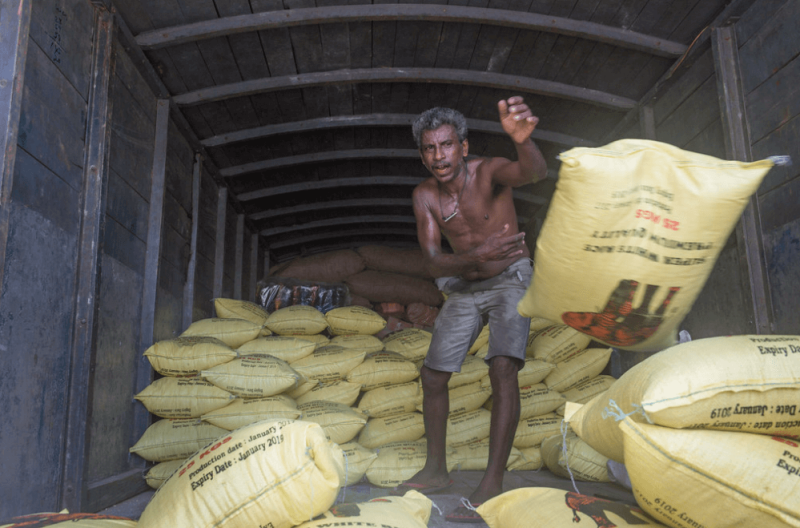
Sri Lanka is a particularly dramatic case showing how rash and poorly designed policies can lead to tragic consequences. In mid-2021, the government abruptly banned the import of chemical fertilizers. On an agri-environmental policy scorecard, this might have looked good. Fertilizer use — which can cause pollution — plummeted.

But it caused dramatic losses in the country’s food supplies. Rice production fell by almost 40% from 2021 to 2022. The production of key export crops, such as tea and rubber, also fell significantly. The country spiraled into an economic crisis. While this crisis is not entirely the result of its fertilizer ban — the import ban was partly in response to economic problems — it made things worse.

The lack of planning or foresight made this policy so damaging. Farmers had no time to find nutrient alternatives or learn how to optimize organic production. It illustrates clearly that just because a country has a policy in place doesn’t mean it produces good outcomes.

Follow the latest news and policy debates on sustainable agriculture, biomedicine, and other ‘disruptive’ innovations. Subscribe to our newsletter.

Agri-environmental policies do matter. They can make the difference between unsustainable versus efficient use of fertilizers and pesticides, cut rates of soil erosion, and transform countries from net losers to net gainers of forest.

On the other hand, poorly designed policies can backfire when they don’t consider trade-offs with other environmental or socioeconomic problems.


This is an excerpt. Read the original post here

{{ reviewsTotal }}{{ options.labels.singularReviewCountLabel }}
{{ reviewsTotal }}{{ options.labels.pluralReviewCountLabel }}
{{ options.labels.newReviewButton }}
{{ userData.canReview.message }}

Related Articles

Infographic: Global regulatory and health research agencies on whether glyphosate causes cancer

Infographic: Global regulatory and health research agencies on whether glyphosate causes cancer

Does glyphosate—the world's most heavily-used herbicide—pose serious harm to humans? Is it carcinogenic? Those issues are of both legal and ...

Most Popular

Screenshot 2026-05-26 at 10.15
Viewpoint: Double standard—Why does the wellness industry get a free pass while Big Healthcare is treated as morally suspect?
ChatGPT-Image-Jun-4-2026-11_49_36-AM-2
‘You don’t understand Tolkien’: Skeptic Pope trolls tech giants about the exaggerated, risk-less benefits of AI
Screenshot 2025-07-30 at 10.48
Can gene editing eliminate Down syndrome? Scientists have done it in lab-grown cells
ChatGPT Image May 26, 2026, 08_42_17 AM (1)
Viewpoint: Greenpeace and poison: How environmental advocacy groups rely on compliant (and often ignorant) journalists to spread disinformation and spark litigation
Screenshot-2026-06-04-at-12.05.08-PM
Cases of brain inflammation surge as U.S. measles pandemic approaches 2000
ChatGPT-Image-Jun-4-2026-01_27_58-PM
Viewpoint—N.A.D.+: Why Gwenyth Paltrow’s heralded anti-aging supplement doesn’t work
ChatGPT Image May 26, 2026, 08_21_36 AM
Limiting gender affirming interventions: Trump administration targets Texas even though it already bans youth access
Screenshot-2026-06-03-at-1.24.46-PM
Challenging anti-GMO disinformation: Why genetically-tweaked crops offer bushels of benefits
ChatGPT-Image-Mar-10-2026-01_39_01-PM
Viewpoint—“Miracle molecule” debunked: Why acemannan supplements don’t work
ChatGPT-Image-May-26-2026-07_51_21-AM-2
Viewpoint: There are more than 1,000 chemicals in a cup of coffee—including many substances that can cause cancer. Why isn’t it banned?
ChatGPT-Image-Jun-2-2026-03_04_17-PM
Viewpoint: Why the hyper-promoted doping ‘enhanced games’ pseudo Olympics flopped
glp menu logo outlined

Get news on human & agricultural genetics and biotechnology delivered to your inbox.