Video: BBC uncovers massive deception by Britain’s ‘social egg freezing’ clinics

egg freezing series business main kh
Credit: NBC News

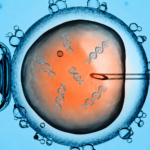
Egg freezing for non-medical reasons, also known as social egg freezing, is an increasingly popular method for women to preserve their fertility in order to have children at a later date.

Follow the latest news and policy debates on sustainable agriculture, biomedicine, and other ‘disruptive’ innovations. Subscribe to our newsletter.

The BBC analysed the websites of the 78 fertility clinics that advertise private egg freezing in the UK.

We found 32 websites (41%) didn’t make clear a patient’s chance of successfully having a baby in the future.

Of that group, most of the websites were advertising successful thaw rates of 80-95% – a process where eggs are defrosted to be used in fertility treatments.

But these clinics did not make clear that the chances of having a baby are dramatically lower because there are multiple stages of the process before an embryo is successfully implanted, through fertility treatments such as IVF.

The Competition and Markets Authority (CMA), the government watchdog, has guidance about the information which should appear on clinic websites.

It says egg freezing is a “significant financial and emotional commitment” and patients must be “properly informed” about success rates and costs.


This is an excerpt. See the full article here

{{ reviewsTotal }}{{ options.labels.singularReviewCountLabel }}
{{ reviewsTotal }}{{ options.labels.pluralReviewCountLabel }}
{{ options.labels.noReviewsLabel }}
{{ options.labels.newReviewButton }}
{{ userData.canReview.message }}

Related Articles

Infographic: Global regulatory and health research agencies on whether glyphosate causes cancer

Infographic: Global regulatory and health research agencies on whether glyphosate causes cancer

Does glyphosate—the world's most heavily-used herbicide—pose serious harm to humans? Is it carcinogenic? Those issues are of both legal and ...

Most Popular

ChatGPT-Image-Mar-10-2026-01_39_01-PM
Viewpoint—“Miracle molecule” debunked: Why acemannan supplements don’t work
Screenshot-2026-07-01-at-2.49.48-PM
Dr. TikTok and male fertility: Viral claims tout GLP-1 drugs as fertility boosters. What does the science say?
reverse-aging
Rapamycin: Here’s the skinny on the anti-aging pill that increases the lifespan—of mice by 10%
ChatGPT-Image-Jul-17-2026-12_42_10-PM
Viewpoint: RFK, Jr. is setting up a panel to compensate people who claim they were injured by a COVID vaccine–no proof needed 
ChatGPT-Image-Jun-25-2026-02_53_56-PM
Embryo gene editing is on the horizon, stirring mixed emotions
a-mature-farmer-working-in-the-field-at-sunrise-harvesting-crops-generated-by-ai-photo
What’s the prospect of developing gene-altered crops that are more nutritious and resist climate disruption
png-upside-food-syn-bio-cultured-meat
Regulating cultured meat around the world
Screenshot-2026-07-21-at-6.22.06-PM
The Indian physician’s one-woman battle against health disinformation on Wikipedia
UK scientists support loosening restrictions limiting embryo research
Are we edging closer to precisely, and safely, editing human embryos?
ChatGPT-Image-Jul-6-2026-02_25_26-PM
40 million Americans take glucosamine. If you have memory loss, it could accelerate cognitive decline.
ChatGPT-Image-Jun-17-2026-03_29_08-PM
Viewpoint: What’s the impact of the U.S. abandoning support for global health?
YearReview Grift
Viewpoint: A practical guide to evaluating social media wellness hype
glp menu logo outlined

Get news on human & agricultural genetics and biotechnology delivered to your inbox.