Ideological censorship: Professor Alan Sokal on why Nature and other publications should get out of the social justice business and back to science

Credit: Vanderbilt Library

A scientist’s political and social values may, of course, influence her selection of topics to study — that is perfectly legitimate. But those values should be carefully put to the side when evaluating the evidence.

This, anyway, has been the official policy of the scientific community for the past three centuries — implemented imperfectly, to be sure, but nevertheless functioning as an important regulative ideal. But times have changed: now ideology threatens openly to corrupt the truth-seeking enterprise that we call science.

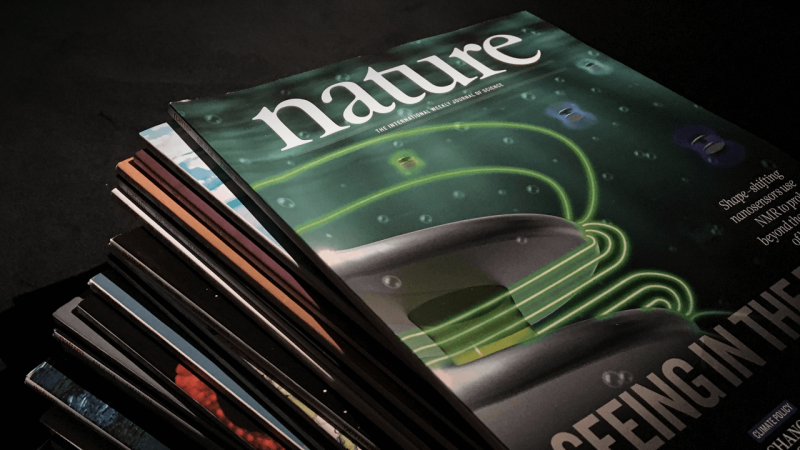
Two years ago, the prestigious journal Nature issued a new “ethics guidance” concerning proposed submissions. But the guidance does not pertain simply to the protection of human research subjects; that issue has been strictly regulated for decades. Nor is it about restricting the publication of information that poses serious material dangers, such as facilitating the production of nuclear or biological weapons. Rather, the guidance purports to address other forms of “harm” that could be caused by a scientific publication. And on these grounds, the editors arrogate to themselves an astoundingly broad power.

Mis- and disinformation are distorting science and public policy. Subscribe to our Daily and Weekly Digests for incisive coverage of ‘disruptive’ innovations in AI, agricultural biotechnology, food, chemicals, nuclear energy, vaccines, and other disruptive innovations.

That vague and subjective language is an open door to ideological censorship of valid scientific contributions — a censorship that the editors do not even attempt to disguise. It is therefore imperative to evaluate the justifications that the editors of Nature have offered in support of this brave new policy.

This is an excerpt. Read the full article here

Related Articles

Infographic: Global regulatory and health research agencies on whether glyphosate causes cancer

Infographic: Global regulatory and health research agencies on whether glyphosate causes cancer

Does glyphosate—the world's most heavily-used herbicide—pose serious harm to humans? Is it carcinogenic? Those issues are of both legal and ...

Most Popular

ChatGPT-Image-Sep-17-2026-12_28_43-PM
Vitamin D, omega-3 fish oil and glucosamine supplements could cause brain damage 
ChatGPT-Image-Mar-10-2026-01_39_01-PM
Viewpoint—“Miracle molecule” debunked: Why acemannan supplements don’t work
ChatGPT-Image-Sep-17-2026-10_17_15-AM
Viewpoint: Why are the less intelligent more likely to be conservative—and smarter people more socially liberal?
Screenshot-2026-09-10-at-12.20.19-PM
'Jet fuel didn't melt the steel': 9/11 conspiracy theories debunked
Screenshot-2026-09-16-at-12.07.47-PM
The heated debate over trans athletes in the WNBA
Screenshot-2026-08-12-at-11.31.46-AM
AI is helping develop new vaccines
ChatGPT-Image-Sep-9-2026-02_48_24-PM
Viewpoint: Trump-RFK Jr. report on “Gender Ideology & Left-wing Ideology’ targets LGBTQ community—and science
Screenshot-2026-09-11-at-2.26.23-PM
Newly approved GMO chestnut trees planted across from the White House are stirring debate
ChatGPT-Image-Sep-15-2026-12_15_00-PM
Viewpoint: Women, depression and empathy: Explaining the gender gap in views about child-murderer Lindsay Clancy
Screenshot-2026-09-17-at-10.24.54-AM
Viewpoint: Dubious environmental fears: Why the AI buildout is critical to America’s ecological future
ChatGPT-Image-Sep-15-2026-11_36_23-AM
Doomsday cult? Why we should be suspicious of end-of-the-world claims
Screenshot 2026-09-11 at 12.39
Child-monitoring apps: When the cure is worse than the harm—and how the technology could be tweaked
glp menu logo outlined

Get news on human & agricultural genetics and biotechnology delivered to your inbox.