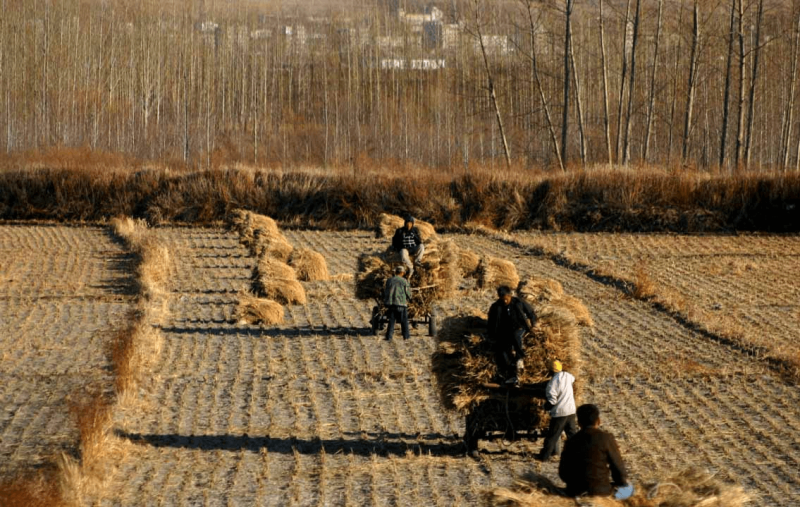
China approves gene edited wheat, in major move to embrace biotechnology solutions for food security

Credit: Wikimedia Commons

“China has approved the safety of gene-edited wheat for the first time as Beijing cautiously moves forward with commercial growing of genetically modified food crops,” Reuters wrote [May 8].

China is currently the world’s largest wheat producer and consumer. In the past year, Reuters says that the country has begun moving toward approving even more genetically modified crops, such as corn and soybean seeds.

In January, China’s agriculture ministry approved another six varieties of genetically engineered corn, two soybeans, one cotton, and two gene-edited varieties of soybeans, according to the ministry’s website.

Although the move aims to improve food security, the uptake is slower than some had hoped for.

Follow the latest news and policy debates on sustainable agriculture, biomedicine, and other ‘disruptive’ innovations. Subscribe to our newsletter.

Additionally, this move reflects a shift in China’s approach to biotechnology, potentially indicating increased acceptance of GM technology for addressing agricultural challenges such as pests, diseases, and climate change amid growing population pressures and changing dietary preferences.


This is an excerpt. Read the original post here

{{ reviewsTotal }}{{ options.labels.singularReviewCountLabel }}
{{ reviewsTotal }}{{ options.labels.pluralReviewCountLabel }}
{{ options.labels.newReviewButton }}
{{ userData.canReview.message }}

Related Articles

Infographic: Global regulatory and health research agencies on whether glyphosate causes cancer

Infographic: Global regulatory and health research agencies on whether glyphosate causes cancer

Does glyphosate—the world's most heavily-used herbicide—pose serious harm to humans? Is it carcinogenic? Those issues are of both legal and ...

Most Popular

ChatGPT-Image-Jun-9-2026-01_11_37-PM
Turmeric supplements: More risks than benefits
Screenshot-2026-06-05-at-2.12.30-PM
Some plants can poison you. So how did humans figure out what is safe to eat?
Screenshot-2026-06-17-at-9.44.03-AM
Viewpoint: Embryos are becoming the newest battleground of love, loss, and legal uncertainty
ChatGPT-Image-Mar-10-2026-01_39_01-PM
Viewpoint—“Miracle molecule” debunked: Why acemannan supplements don’t work
ChatGPT-Image-Jun-11-2026-01_15_03-PM
Selective Pressure, Selective Silence
ChatGPT-Image-Jun-14-2026-09_41_44-AM-2
Viewpoint—‘The gleeful efficiency of an arsonist’: Administration’s health and science research cuts are ‘sabotaging’ America’s future
ChatGPT Image May 26, 2026, 08_42_17 AM (1)
Viewpoint: Greenpeace and poison: How environmental advocacy groups rely on compliant (and often ignorant) journalists to spread disinformation and spark litigation
wuhan institute of virology main entrance
​​COVID lab leak? Making a case that the Wuhan market origins theory is wrong
ChatGPT-Image-Jun-15-2026-11_51_00-AM-4
Viewpoint: As the International Association for Research on Cancer loses influence, activists and trial lawyers scramble to protect a lucrative playbook
newborn infant baby mother
Facts & Fallacies Podcast: The truth about vitamin K shots
glp menu logo outlined

Get news on human & agricultural genetics and biotechnology delivered to your inbox.