Hollowed-out cheeks, sunken eyes, and excess skin: ‘Ozempic face’ plagues some weight loss drug users

Credit: Daily Mail
Credit: Daily Mail

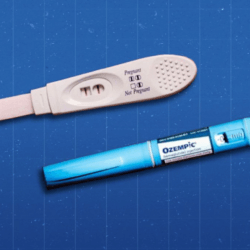
Tiktok and Instagram are currently abuzz with discussions over ‘Ozempic face’ – a term used to describe the hollowed-out cheeks, sunken eyes, and excess skin that can sometimes arise from significant, rapid weight loss.

The controversial term has “consumed the media” for over a year now, and some experts argue it is derogatory, misleading, and possibly scaring patients away from a drug that could benefit their health, even without taking weight loss into account.

Mis- and disinformation are distorting science and public policy. Subscribe to our Daily and Weekly Digests for incisive coverage of ‘disruptive’ innovations in AI, agricultural biotechnology, food, chemicals, nuclear energy, vaccines, and other disruptive innovations.

Currently, it is unknown whether changes to the face are a novel side effect of GLP-1 agonists, or a natural consequence of weight loss, similar to what can happen after bariatric surgery.

There is no scientific evidence that suggests GLP-1 agonists specifically target fat in the face, and clinical trials have yet to measure the occurrence or extent of the side effect, which means we don’t even know how common it is.

Studies show that patients who experience massive weight loss in general are more likely to look several years older in the face than those who don’t.

Perhaps this explains what is happening with medications like Ozempic. But research on how these medications affect those without diabetes is still in its infancy.

This is an excerpt. Read the full article here

Related Articles

Infographic: Global regulatory and health research agencies on whether glyphosate causes cancer

Infographic: Global regulatory and health research agencies on whether glyphosate causes cancer

Does glyphosate—the world's most heavily-used herbicide—pose serious harm to humans? Is it carcinogenic? Those issues are of both legal and ...

Most Popular

ChatGPT-Image-Sep-17-2026-12_28_43-PM
Vitamin D, omega-3 fish oil and glucosamine supplements could cause brain damage 
ChatGPT-Image-Mar-10-2026-01_39_01-PM
Viewpoint—“Miracle molecule” debunked: Why acemannan supplements don’t work
ChatGPT-Image-Sep-17-2026-10_17_15-AM
Viewpoint: Why are the less intelligent more likely to be conservative—and smarter people more socially liberal?
Screenshot-2026-08-12-at-11.31.46-AM
AI is helping develop new vaccines
Screenshot-2026-09-10-at-12.20.19-PM
'Jet fuel didn't melt the steel': 9/11 conspiracy theories debunked
Screenshot-2026-09-17-at-10.24.54-AM
Viewpoint: Dubious environmental fears: Why the AI buildout is critical to America’s ecological future
Screenshot-2026-09-16-at-12.07.47-PM
The heated debate over trans athletes in the WNBA
ChatGPT-Image-Sep-9-2026-02_48_24-PM
Viewpoint: Trump-RFK Jr. report on “Gender Ideology & Left-wing Ideology’ targets LGBTQ community—and science
Screenshot-2026-09-10-at-11.50.46-AM
Did COVID vaccines kill 2,500 service members? RFK Jr. hires an investigator who compares vaccine promoters to Nazi doctors
Screenshot 2026-09-11 at 12.39
Child-monitoring apps: When the cure is worse than the harm—and how the technology could be tweaked
glp menu logo outlined

Get news on human & agricultural genetics and biotechnology delivered to your inbox.