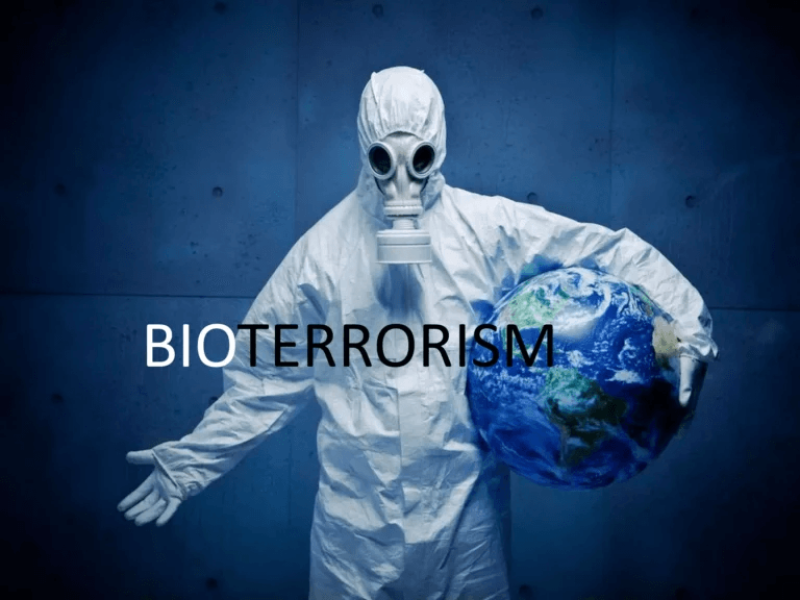
Viewpoint: We need a new approach to biotech regulations to avoid hijacking by bioterrorists

bioterrorism-1-2048-768x576

Genetic engineering technologies, particularly those that can modify the human genome, pose unique security risks. For instance, they could be used to create genetically enhanced biological agents that are more virulent or resistant to existing treatments. The concerns around the societal impact and aligned ethical concerns of genetic engineering also extend to biological weapons.

  • Targeting minorities: Ethnic communities that practise endogamy[e] may have common genetic markers and be vulnerable to the same diseases.[15] These commonalities can make minority groups the target for biological weapons that exploit such disease vulnerabilities. This can include a genetically motivated carrier or delivery system or a genetically enhanced biological agent. In this context, targeting populations based on race, caste, gender, and other sub-groups is not unimaginable.[16]
  • Increasing the virulence of biological weapons through genetic engineering: Genetic engineering has long been considered a potential tool for creating more lethal biological warfare agents. In 2003, experiments with the mousepox virus showed that inserting specific human genes, such as interleukin-4 (IL-4),[f] intended to boost the immune response, can result in a virus with significantly greater virulence. Comparable results have been observed with Vaccinia virus strains used in smallpox vaccination.[17] Furthermore, genetic engineering could create camouflaged viruses by hiding them within harmless bacteria.
Mis- and disinformation are distorting science and public policy. Subscribe to our Daily and Weekly Digests for incisive coverage of ‘disruptive’ innovations in AI, agricultural biotechnology, food, chemicals, nuclear energy, vaccines, and other disruptive innovations.

Although emerging technologies and alliances are an intuitive next step in the future of warfare, security guidelines are yet to account for genetic engineering, being restricted by proxy due to existing standards on scientific limits on research and trade limits on biological agents. The potential societal harm from genetic engineering and its implications for the future of warfare and security necessitate an urgent examination of these issues.


This is an excerpt. Read the full article here

Related Articles

Infographic: Global regulatory and health research agencies on whether glyphosate causes cancer

Infographic: Global regulatory and health research agencies on whether glyphosate causes cancer

Does glyphosate—the world's most heavily-used herbicide—pose serious harm to humans? Is it carcinogenic? Those issues are of both legal and ...

Most Popular

ChatGPT Image Jul 31, 2026, 08_05_37 AM
26% and far worse than during COVID: Under RFK Jr., Americans’ opinion of ‘revamped’ CDC hits an all-time low
Cancer mRNA Vaccine Concept
'A new frontier': Though scorned by RFK Jr., personalized mRNA vaccine offers hope for many suffering from melanoma skin cancer
ChatGPT-Image-Mar-10-2026-01_39_01-PM
Viewpoint—“Miracle molecule” debunked: Why acemannan supplements don’t work
Screenshot-2026-10-26-at-11.06.10-AM
Viewpoint: The organic, good-food, small-farm movement is seductive but wrongheaded. Here’s the sustainability and environmental case for industrial farming
Screenshot-2026-10-24-121036
Many hospitals embrace longevity medicine. Are they separating science from hype?
Picture1
Viewpoint: How badly is the U.S. food-safety net fraying? FDA’s bungled handling of the tainted lettuce crisis deepens concerns over cuts to disease tracking and response
China Innovation Lightbulb 2
China’s 5-year plan to accelerate science innovation is putting the U.S. and Europe in the rearview mirror
Screenshot-2026-10-23-at-10.37.12-AM
Viewpoint: Drones, dollars and baby food: Critical innovations that anti-plastic ideologues willfully ignore
Crimson Drips Over the White House
In Trump administration redirect, U.S. steers NIH sharply away from biodefense and pandemic preparedness
Healthy Food Sensitivity Test Collection
Viewpoint: That’ll be $300: The wellness industry’s junk science scam to ‘fix’ your immune system that isn’t broken
Screenshot-2026-10-19-at-12.04.51-PM
Victims of their own success: As memories of killer diseases fade, vaccine rejectionism soars
Screenshot 2026-10-16 at 5.38
PFAS in Agriculture: Science, Uncertainty, and Risk Communication
West-Virginia-SNAP-Water-Bottle-Sticker
A ‘shining success’ or 'empty promises’: Two years along, West Virginians assess MAHA’s food promises
glp menu logo outlined

Get news on human & agricultural genetics and biotechnology delivered to your inbox.