Seafood of the future is now: 3D-printed calamari has more protein than real squid

calamari_1806999-2-e8a531d5915e49719d5b049fd6fa00a1

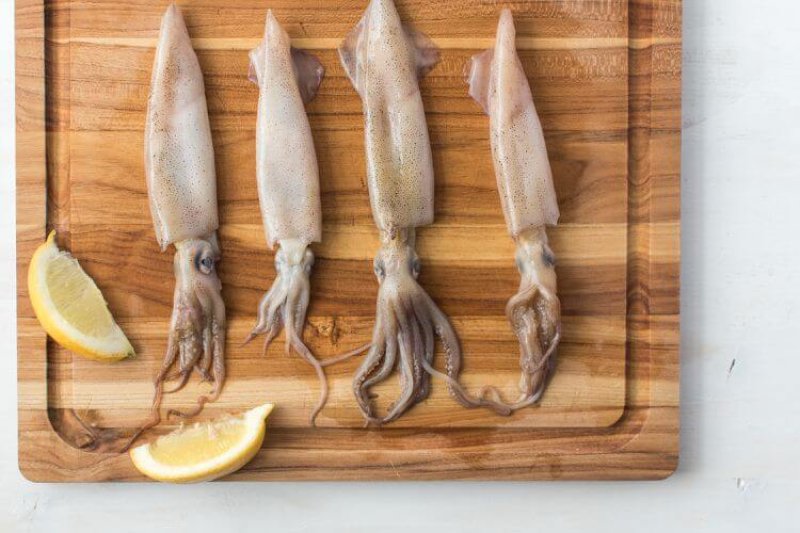
Your next fried calamari appetizer might come from a printer, not the ocean. Scientists from the National University of Singapore have successfully 3D printed plant-based calamari rings that closely mimic both the texture and protein content of real squid.

Mis- and disinformation are distorting science and public policy. Subscribe to our Daily and Weekly Digests for incisive coverage of ‘disruptive’ innovations in AI, agricultural biotechnology, food, chemicals, nuclear energy, vaccines, and other disruptive innovations.

The research, published in ACS Food Science & Technology, involved combining two sustainable protein sources that are currently underutilized: mung beans (small green legumes popular across Asia) and microalgae. The result? A convincing calamari alternative that could help address growing concerns about overfishing, marine pollution, and seafood contamination.

…

To achieve the proper texture, researchers experimented with various concentrations of gellan gum (a food-grade thickening agent), fat content, and microalgae amounts. After extensive testing, they determined that the optimal formula contained 1.5% gellan gum, 2% fat, and 10% microalgae biomass.


The plant-based alternative actually contained more protein than the real thing. The printed calamari with 10% microalgae delivered 19.61% protein content, compared to 14.21% in actual squid rings.


This is an excerpt. Read the original post here

Related Articles

Infographic: Global regulatory and health research agencies on whether glyphosate causes cancer

Infographic: Global regulatory and health research agencies on whether glyphosate causes cancer

Does glyphosate—the world's most heavily-used herbicide—pose serious harm to humans? Is it carcinogenic? Those issues are of both legal and ...

Most Popular

ChatGPT-Image-Mar-10-2026-01_39_01-PM
Viewpoint—“Miracle molecule” debunked: Why acemannan supplements don’t work
ChatGPT-Image-Sep-30-2026-01_11_07-PM
How U.S. teamed with Russia to block global human AI weapons oversight
ChatGPT-Image-Sep-21-2026-03_15_09-PM
Viewpoint: Chipotle-inspired lesson: 10,000 sick customers suggest that processed foods can be safer than fresh ones
ChatGPT-Image-Sep-29-2026-12_16_42-PM
Social media influencers are driving food misinformation across Europe
generated-1790707585414
Facts & Fallacies podcast: America's health care system is broken. A doctor explains how to fix it
Screenshot-2026-09-29-at-11.06.43-AM
Astrology, homeopathy, vaccine rejectionism, creationism: Why pseudoscience thrives as science advances
ChatGPT-Image-Sep-23-2026-02_36_39-PM
Viewpoint: After firing the entire National Science Board, Trump reshapes funding initiatives. Here’s the good and the bad.
Screenshot-2026-09-28-at-1.16.38-PM
Defying public perceptions, U.S. cancer deaths plunged 35% since 1991
ChatGPT-Image-Jun-18-2026-04_15_29-PM
Viewpoint: Kennedy’s ‘bad science’: MAGA embrace bolsters HHS secretary’s influence and popularity
ChatGPT-Image-Sep-2-2026-02_03_32-PM
How much of a problem is AI’s water use?
glp menu logo outlined

Get news on human & agricultural genetics and biotechnology delivered to your inbox.