If there is a positive aspect of the Make American Healthy Again movement it is that it brings to the fore an important, needed discussion about chronic disease. As we live longer, insulated from the catastrophic consequences of historically deadly infectious diseases, long-term chronic conditions are more prevalent. Already, cancer affects one in three Americans, which means it touches almost every family. The main reason is because we are living longer, but we are also seeing maladies aggravated by poor food choices or inadequate nutritious food access.
Dr. Christopher Gunter and a team of research scientists, physicians, extension agents and university administrators note that there are tremendous social and economic costs associated with a country in chronic disease. Their recent article in PNAS underscores that the cost to treat diabetes alone is 2-3 times the budgets of the army or navy. Ironically, as almost 80% of miliary age youth are physically unfit to serve. Thirty seven percent of adults and 8% of children are prediabetic.
How did we get here?
In the recent MAHA Commission report on chronic health, there is significant focus on food dyes, trace pesticides and artificial ingredients as a basis of disease. The advisorsphere of social media influencers and political acolytes stretch reality for a chemical boogeyman to blame for the sorry state of American health.
These substances are rigorously tested and regulated by global health agencies—including the FDA in the U.S. and the European Food Safety Authority overseas—which have consistently found them safe at levels used in food. Chronic diseases such as cancer, heart disease, and diabetes are overwhelmingly linked to lifestyle factors like poor diet quality, obesity, smoking, lack of exercise, and aging—not to the minute exposures from food additives or agricultural chemicals. Claims to the contrary stem from flawed studies or activist agendas, not reproducible science.
There is simple and obvious way to begin addressing this problem, as this journal article addresses.
What if the problem was inadequate consumption of fresh fruits and vegetables, the foods known to be directly associated with decreased incidence in long-term disease? Could it be that improvements in quality, price and access to domestic produce might be exactly what we are missing?
The authors outline the challenge of obesity and diabetes, along with the staggering public health cost and years of life lost. The focus then turns to the failure to meet dietary guidelines for nutrient rich food and dietary fiber. Fruit and vegetable costs have risen disproportionally relative to the cost of junk food made from commodity crops.
At the same time the U.S. imports a tremendous tonnage of fruits and vegetables. Domestically, a surprisingly tiny sliver of farmland is dedicated to these crops, and research in fruit and vegetable production represents only a tiny slice of farm bill funding at 0.2% of the budget.
 Viewpoint: Why Washington should sharply increase funding for intensive agricultural to address climate change, spur sustainability
 Viewpoint: Rockefeller Foundation and other advocacy organizations argue agricultural production ‘hides’ the ‘true’ cost of food, favoring big corporations and wealthy and wasteful countries to the planet’s detriment. Here’s the nuance behind the inflammatory rhetoric



If we don’t grow it or fund it, we don’t eat it. And we wonder why there is a problem.
Solutions
The MAHA Health Commission’s recommendations have some merit, and suggest that whole foods, exercise and other obvious factors may be fundamental changes that can affect public health. But any focus on the proven minor risk from food ingredients and modern agriculture, rather than starting with the real problems (obesity, poor nutrition, smoking, sedentary lifestyles, and lack of preventive care) distracts from solutions backed by strong evidence. Instead, we should be expanding access to healthy foods, improving education on diet and exercise, and investing in early screening and healthcare equity—while actively fighting misinformation that erodes trust in science and public health.
That transformation begins with changes in thinking and more integration between medical, nutritional, and horticultural sciences. Research priorities should reside in genetic improvement of crop plants to increase palatability, decrease glycemic index, increase antioxidants, and improve shelf life. As I’ve written before, if food calories are not consumed, the nutrient content does not matter. Attractive, inexpensive, and long-lasting foods are critical priorities to public health. More research into the specific attributes of fruit and vegetable effects on brain health, diabetes and the gut microbiome is proposed.
Implementation is achieved by establishing regional food/medicine centers, grounded in the Land Grant University system. Here improvements in domestic production would spark access and improve quality, driving consumer demand. They propose to work closely with industry to produce higher quality processed foods the public will appreciate and not contribute to negative health effects. Revision of guidelines and effective extension of nutrition findings to the broader population would stem from these regional centers.
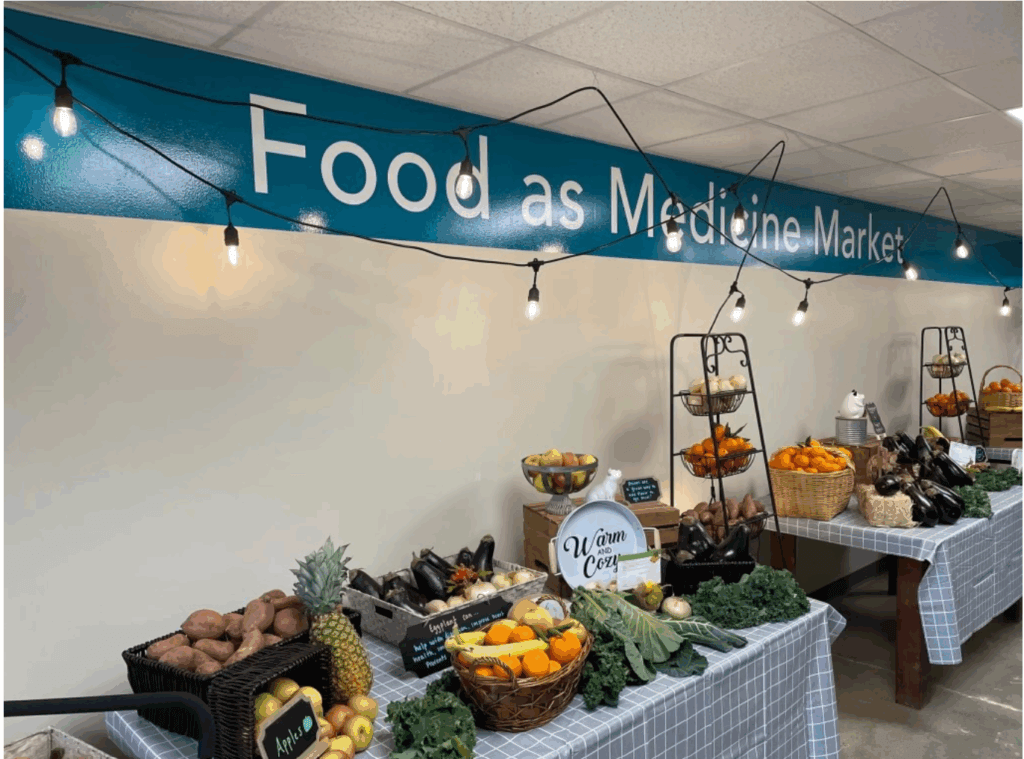
In the days of massive government cutbacks, it may seem folly to suggest expanding funding and establishing regional centers to marry food and medicine. But when the astronomical costs of health care are considered, the price tag of prevention is a modest investment considering the potential for outstanding return. We all benefit from advances in public health.
As the authors point out, the solution to a complicated national emergency may very well lie in research, education, and access around regionally produced produce, with an emphasis on the long-term effects of public health.
Kevin M. Folta is a professor in the Horticultural Sciences Department at the University of Florida. Social media: @kevinfolta