How plant-based meats are made

ee d b
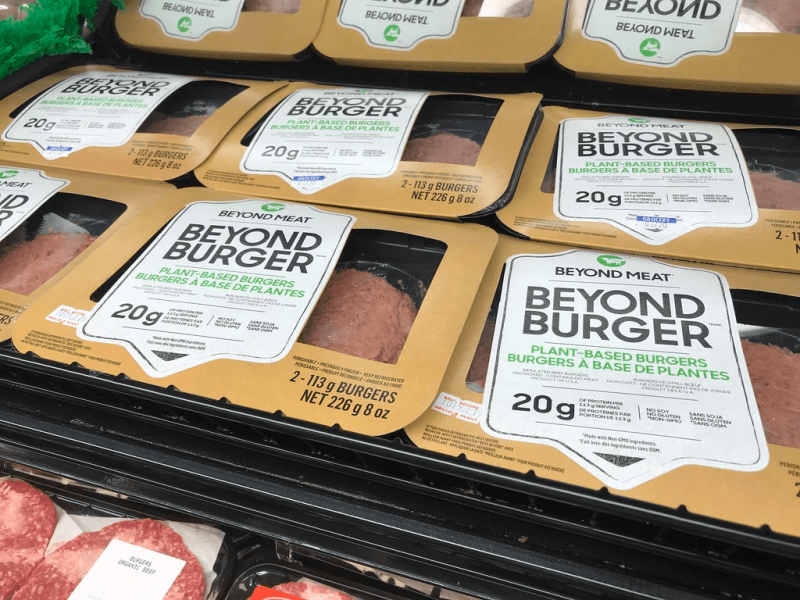
Credit: Flickr (CC BY 2.0)

As a vegetarian I’d be the first to say that plant-based meat has gotten significantly more pleasant in the last few years.

The key driver is not what ingredients are used, but the development of better techniques to make it more meat-like.

What goes into a burger patty has mostly stayed the same – the protein might come from soy, wheat, pea, fungi or fava. The fat normally comes from coconut oil or vegetable shortening, which are solid at room temperature and melt as they heat up. But how these ingredients are processed makes a big difference.

Mis- and disinformation are distorting science and public policy. Subscribe to our Daily and Weekly Digests for incisive coverage of ‘disruptive’ innovations in AI, agricultural biotechnology, food, chemicals, nuclear energy, vaccines, and other disruptive innovations.

Originally, some plant-meats were made with a technique called “shear cell processing”. These products have a spongier texture, and they don’t need refrigeration.
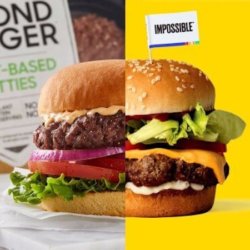
Nowadays, it’s all about extrusion. Ingredients, water and oil are mixed together and pressurised through a teeny tiny hole called a die. In a technique called “high moisture extrusion”, the protein is also heated in the extruder machine itself and then quickly cooled down to create fibres that mimic the muscle in a real animal.


This is an excerpt. Read the original post here

Related Articles

Infographic: Global regulatory and health research agencies on whether glyphosate causes cancer

Infographic: Global regulatory and health research agencies on whether glyphosate causes cancer

Does glyphosate—the world's most heavily-used herbicide—pose serious harm to humans? Is it carcinogenic? Those issues are of both legal and ...

Most Popular

Screenshot-2026-10-01-at-10.52.08-AM
Non-browning CRISPR gene-edited bananas move one step closer to British markets
AI-Force-Leadership-Portrait
Jay Clayton controversy: The divisive history of Trump’s newly-appointed AI czar
Screenshot-2026-09-22-at-10.54.12-AM
‘They misunderstand science’: Research attempting to tie autism to changes in the gut microbiome comes under fire
ChatGPT-Image-Mar-10-2026-01_39_01-PM
Viewpoint—“Miracle molecule” debunked: Why acemannan supplements don’t work
Elderly-Speaker-at-MAHA-Institute
At anti-vaccine MAHA conference, RFK Jr. pledges to unify federal health information and combat vaccine safety ‘misinformation’
ChatGPT-Image-Sep-21-2026-11_21_39-AM
Viewpoint: Food cults: Online ‘nutrition communities’ can pose unique dangers
Screenshot 2026-10-01 at 12.30
Combating ‘narrative distortion’: Will pharma companies step up to challenge health misinformation?
ChatGPT-Image-Sep-10-2026-10_36_07-AM
Viewpoint: Even lousy scientific articles can shield authors when they hype dubious health claims and products
ChatGPT-Image-Sep-21-2026-03_15_09-PM
Viewpoint: Chipotle-inspired lesson: 10,000 sick customers suggest that processed foods can be safer than fresh ones
Screenshot-2026-10-01-at-11.21.27-AM
Vaccine hesitancy, like malaria, surges globally, topping 35% in some countries
glp menu logo outlined

Get news on human & agricultural genetics and biotechnology delivered to your inbox.