‘Feel Free’: People getting addicted to this addictive ‘botanical’ supplement drink with kava root and kratom, and regulators are doing nothing

ap3592218100616185.jpg

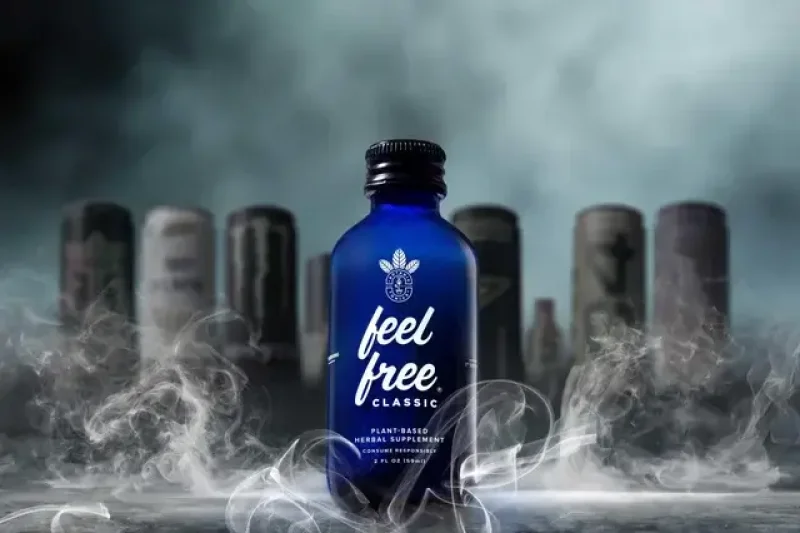
Feel Free’s most well-known variant — the “Classic” tonic made by the company Botanic Tonics, which also makes a “Kava Maté” and capsules — is advertised as a “feel-good tonic that features kava root and other plant ingredients known to help with relaxation, productivity and focus.”

Their ingredients label lists kava root extract, a depressant, and ground leaf kratom, a drug that can provide both stimulant and sedative effects depending on the quantity.

Both kava and kratom are legal on a federal level, though some states have banned kratom. The FDA has “warned consumers not to use kratom because of the risk of serious adverse events, including liver toxicity, seizures, and substance use disorder (SUD)” and the DEA has listed kratom as a Drug and Chemical of Concern.

Follow the latest news and policy debates on sustainable agriculture, biomedicine, and other ‘disruptive’ innovations. Subscribe to our newsletter.

Jasmine Adeoye, a 30-year-old based in Austin, has had numerous TikToks about her experiences with the tonic pass the million-view mark. She first bought Feel Free in 2022, after hearing it advertised on numerous major podcasts as a safe alternative to alcohol. She told BuzzFeed that she initially used the product occasionally for around a year, until she found herself in an incredibly stressful job. “At the most, it was 12 [bottles] a day. That was like just taking them to feel normal in any way, shape, or form,” she said. “It was like, ‘Oh, I can’t physically get out of bed unless I take this.”
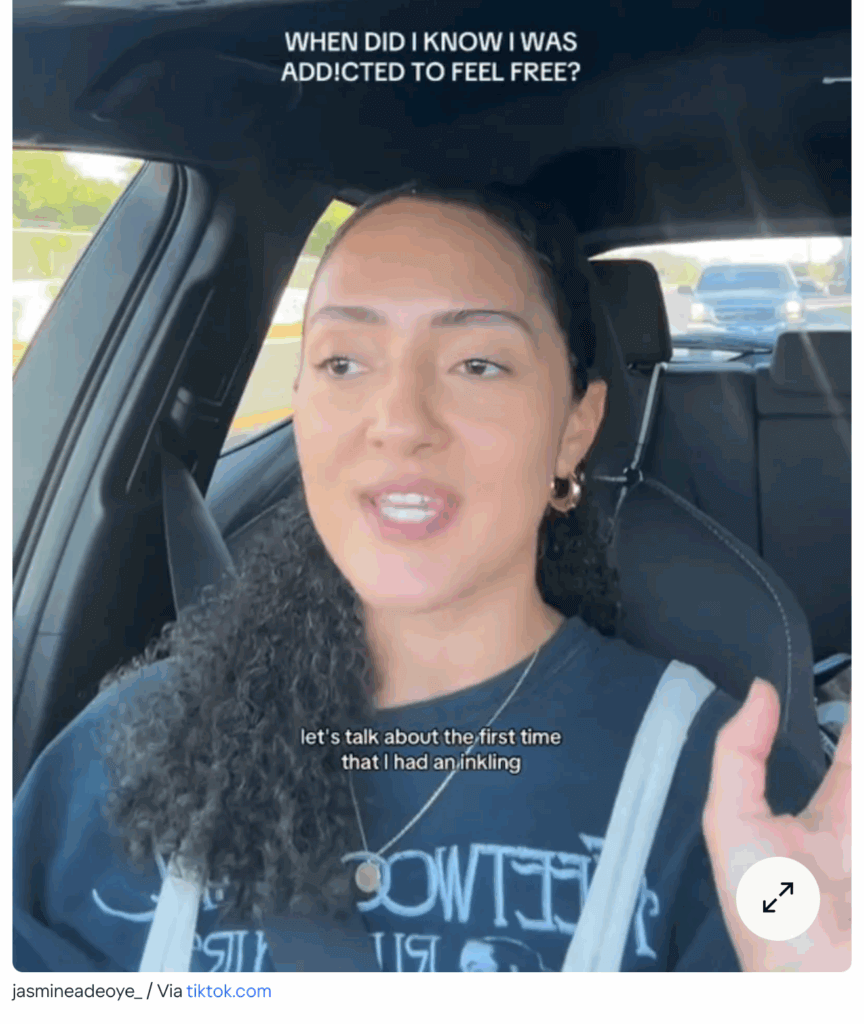
It’s not just TikTok where users are claiming negative experiences. There are 5k members in the subreddit R/Quittingfeelfree, where users talk about their sobriety experiences. Amongst those who spoke to BuzzFeed, some were previous opioid users who found themselves caught up in what they claim was the cycle of addiction again.

7-hydroxymitragynine, “a concentrated byproduct of the kratom plant” also known as 7-OH, can bind itself to opioid receptors in the brain. It’s been found to be more potent than morphine in treating pain. 

[T]he FDA is now taking steps to limit the availability of 7-OH. But a product like Feel Free, which claims not to artificially inflate its 7-OH levels, doesn’t fall under these proposed regulations. “Our products contain trace amounts of 7-OH that occur naturally during the traditional drying process — levels that are dramatically different from the concentrated synthetic products now under FDA scrutiny,” Botanic Tonics said in a statement after the FDA announced its new plans on 7-OH.

This is an excerpt. Read the original post here

{{ reviewsTotal }}{{ options.labels.singularReviewCountLabel }}
{{ reviewsTotal }}{{ options.labels.pluralReviewCountLabel }}
{{ options.labels.newReviewButton }}
{{ userData.canReview.message }}

Related Articles

Infographic: Global regulatory and health research agencies on whether glyphosate causes cancer

Infographic: Global regulatory and health research agencies on whether glyphosate causes cancer

Does glyphosate—the world's most heavily-used herbicide—pose serious harm to humans? Is it carcinogenic? Those issues are of both legal and ...

Most Popular

Picture1-5
Science Disinformation Gap: The transatlantic battle over social media and censorship
ChatGPT Image May 10, 2026, 08_16_59 PM 2
Overmedicalization? RFK Jr.’s antidepressant crackdown raises conflict questions over his fee stake in Wisner Baum, the tort firm built on suing drug makers
ChatGPT-Image-May-12-2026-08_39_41-PM
GLP podcast: Big Pharma, Big Ag, Big Food—health harming industries or life-saving innovators?
Screenshot-2026-04-23-at-11.00.36-AM
Regulators' dilemma: Thalidomide, Metformin, and the cost of getting drug approvals wrong
Picture1-1
Cooling the planet with balloons: Could a geoengineering gamble slow global warming?
Screenshot-2026-05-12-at-9.58.31-PM
'He seems fine': Marty Makary out as FDA commissioner
Picture1-14
When superbugs threaten vulnerable children: Can AI help solve antibiotic resistance?
Screenshot-2026-05-12-at-10.05.11-AM
Pro-vaccine “hero” vs. an anti-vax “villain”: ‘Bad Vaxx’ video stirs MAHA backlash
Screenshot-2026-05-11-104424
Hantavirus outbreak research: Trump administration shut down study last year on rodent-to-human transmission
ChatGPT Image May 12, 2026, 10_19_00 AM 2
Viewpoint— 'Muscular governance': How authoritarianism is surging corporate-linked energy misinformation
Screenshot 2026-05-11 at 11.30
Despite politicized disinformation, Midwest AI data centers are fueling a solar energy boom
S
As vaccine rejectionism spreads, measles may be taking a more dangerous turn
Screenshot-2026-04-12-135256
Bixonimania: The fake disease scam that AI swallowed whole
glp menu logo outlined

Get news on human & agricultural genetics and biotechnology delivered to your inbox.