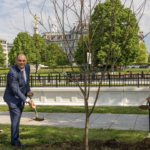

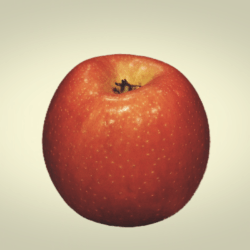
Before Neal Carter invented the world’s first commercially produced bioengineered apple, he helped mechanize lentils in the Middle East, diversify crops in Bangladesh and globally deliver nets for grapes, cherries and even mosquitoes.
For his next venture, the co-founder and CEO of Okanagan Specialty Fruits wants to use the genetic know-how behind his nonbrowning Arctic apples to make orchards more efficient.
The way he sees it, genetics now hold the key to solving the tree fruit industry’s labor and climate challenges.
Carter unveiled his proposal in late April through a white paper he called “Traits and Tech: Designing the Orchard of the Future.”



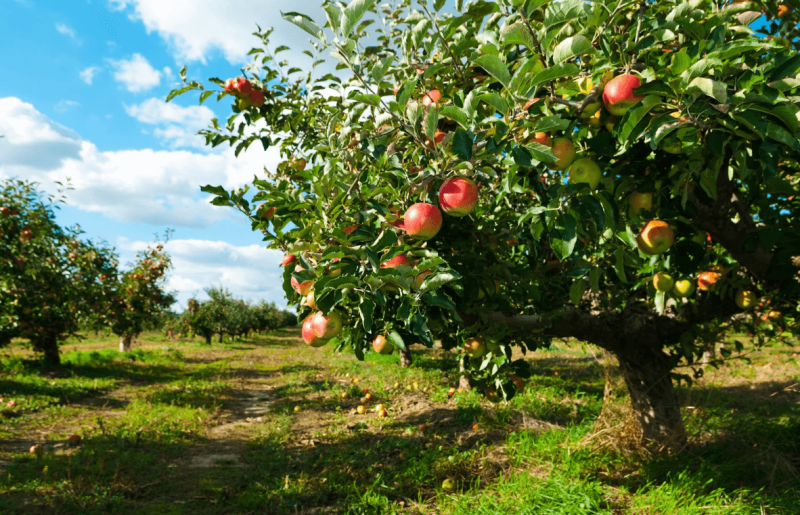
The 16-page document posits that the genes controlling tree growth and flowering habits can be altered to produce growth and fruit on the same new branches each year. That would allow growers to prune through hedging, keep trees about 6 feet high, plant in 4-foot rows and concentrate fruit in a narrow zone much like grapes on a vine.
No more ladders or platforms. Robots would work seamlessly. Farming would be more efficient for both fresh and processed apples.