As temperatures climb, so does America’s sugar cravings

soda

Pan He, an environmental scientist at Cardiff University in Wales, hit on the idea to look at … how rising temperatures affect food consumption. She and her colleagues decided to focus on sugar because its overconsumption is a known problem in the U.S. ….

The researchers paired temperature data with a unique dataset that showed household grocery purchases around the U.S. from 2004 to 2019 and used purchases as a proxy for consumption. They found little difference in consumption below 12 degrees Celsius (about 54 degrees Fahrenheit). But between that temperature and 30 degrees C (86 degrees F), something happened: consumption increased by 0.7 gram per degree C. 

Follow the latest news and policy debates on sustainable agriculture, biomedicine, and other ‘disruptive’ innovations. Subscribe to our newsletter.

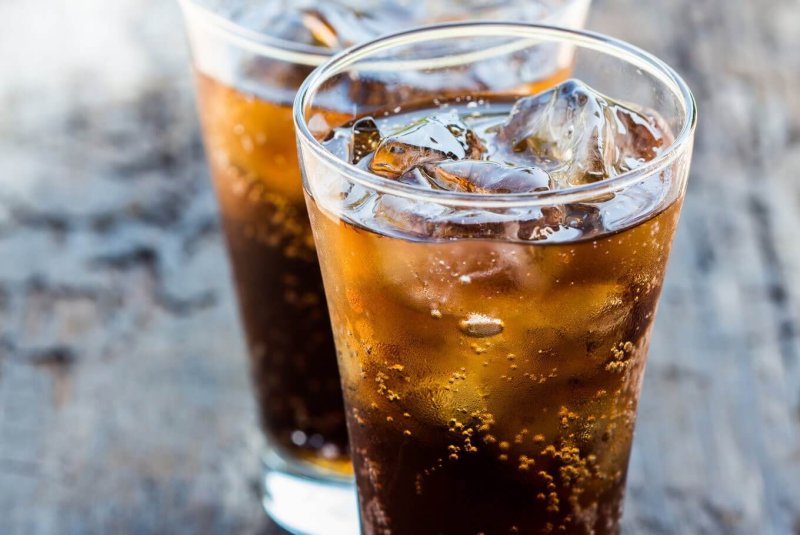
Most of the overall increase came from beverages with added sugar, such as sodas or fruit drinks, as opposed to 100 percent juice. Frozen desserts such as ice cream or popsicles made a smaller contribution. 

There were noticeable differences in consumption patterns, though. People with higher levels of income or educational attainment showed very little change in sugar consumption as temperatures rose compared with those with lower incomes or less formal education. 

This is an excerpt. Read the original post here

{{ reviewsTotal }}{{ options.labels.singularReviewCountLabel }}
{{ reviewsTotal }}{{ options.labels.pluralReviewCountLabel }}
{{ options.labels.newReviewButton }}
{{ userData.canReview.message }}

Related Articles

Infographic: Global regulatory and health research agencies on whether glyphosate causes cancer

Infographic: Global regulatory and health research agencies on whether glyphosate causes cancer

Does glyphosate—the world's most heavily-used herbicide—pose serious harm to humans? Is it carcinogenic? Those issues are of both legal and ...

Most Popular

Screen Shot at AM
Facts & Fallacies Podcast: Right-wing politics bad for your health? Separating speculation from science
ChatGPT-Image-Jun-13-2026-11_51_39-AM
Viewpoint: COVID lab leak? Misguided backers of the lab leak theory refuse to give up
drug look like ozempic
Six key health insights from taking weight-loss drugs
ChatGPT Image Jun 3, 2026, 03_54_37 PM
Viewpoint: “Turn on, tune in, drop out”—Kennedy embraces the Timothy Leary psychedelic revolution
ChatGPT-Image-Jun-11-2026-01_15_03-PM
Selective Pressure, Selective Silence
Screenshot-2026-06-14-at-9.14.26-AM
‘Humanitarian catastrophe’: Trump’s USAID shutdown could help drive nearly 23 million deaths — including 5.4 million children — by 2030, Lancet study warns
ChatGPT Image Jun 3, 2026, 03_14_43 PM
Viewpoint: How Earthjustice became the poster child for the abuse of special interest activist funding
ChatGPT-Image-Jun-14-2026-09_41_44-AM-2
Viewpoint—‘The gleeful efficiency of an arsonist’: Administration’s health and science research cuts are ‘sabotaging’ America’s future
ChatGPT-Image-Mar-10-2026-01_39_01-PM
Viewpoint—“Miracle molecule” debunked: Why acemannan supplements don’t work
Screenshot-2026-06-14-at-9.53.54-AM
Is the World Cup a perfect storm for the spread of infectious diseases?
ChatGPT Image Jun 12, 2026, 02_32_14 PM
‘Have you asked your doctor?’: AMA launches campaign to counter health misinformation
Screenshot-2026-06-05-at-2.12.30-PM
Some plants can poison you. So how did humans figure out what is safe to eat?
Screenshot-2026-06-11-at-3.40.06-PM
'Toxin' detox: A gastroenterologist weighs in on $71 billion health trend
glp menu logo outlined

Get news on human & agricultural genetics and biotechnology delivered to your inbox.