7 ways biotechnology can mitigate climate change challenges

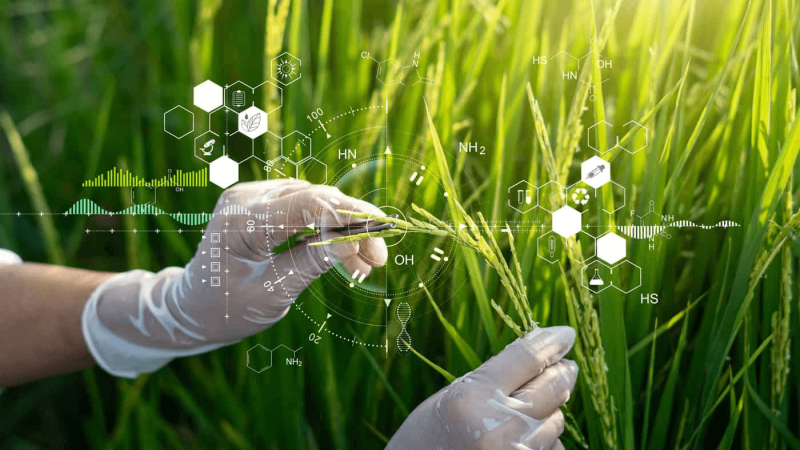
Credit: The Business Magazine

As the world grapples with escalating climate change, the impacts on agriculture have become acute and inescapable. In 2025, rising temperatures, erratic rainfall patterns, increased frequency of extreme weather events, and shifting pest and disease profiles collectively threaten our ability to ensure sustainable food security worldwide.

At this crossroads, biotechnology emerges as a pivotal tool in addressing climate change, offering a suite of climate change mitigation technologies (CMTs) tailored to the urgent needs of farmers, food systems, and global environmental security.

In 2025 and beyond, climate change mitigation technologies anchored in biotechnology provide concrete hope—and a clear strategy—for meeting the world’s climate and food needs.

Let’s explore the top 7 biotechnological innovations reshaping our responses to climate change in agriculture ….

Follow the latest news and policy debates on sustainable agriculture, biomedicine, and other ‘disruptive’ innovations. Subscribe to our newsletter.

1. Drought- and Heat-Tolerant Genetically Engineered (GE) Crops

2. Nitrogen-Fixing Bacteria and Microbial Biofertilizers

3. Pest- and Disease-Resistant Crops via Precision Gene Editing

4. Carbon Sequestration Crops (Deep-Rooted & High-Biomass Varieties)

5. Precision Agriculture and Smart Farming with AI and Biotech Integration

6. Next-Generation Bio-Pesticides and Biocontrol Agents

7. Climate-Resilient Crop Varieties via Multi-Trait Engineering

This is an excerpt. Read the original post here

{{ reviewsTotal }}{{ options.labels.singularReviewCountLabel }}
{{ reviewsTotal }}{{ options.labels.pluralReviewCountLabel }}
{{ options.labels.newReviewButton }}
{{ userData.canReview.message }}

Related Articles

Infographic: Global regulatory and health research agencies on whether glyphosate causes cancer

Infographic: Global regulatory and health research agencies on whether glyphosate causes cancer

Does glyphosate—the world's most heavily-used herbicide—pose serious harm to humans? Is it carcinogenic? Those issues are of both legal and ...

Most Popular

Screenshot-2026-05-01-at-11.56.24-AM
‘Science moves forward when people are willing to think differently’: Memories of DNA maverick Craig Venter
Screenshot-2026-04-03-at-11.15.51-AM
Paraben panic: How a flawed study, media hype, and chemophobia convinced the public of the danger of one of the safest classes of preservatives
79d03212-2508-45d0-b427-8e9743ff6432
Viewpoint: The Casey Means hustle—Wellness woo opportunism dressed up as medical wisdom
ChatGPT-Image-Apr-30-2026-12_21_05-PM-2
The tech billionaires behind the immortality movement
Screenshot-PM-24
Viewpoint: The herbicide glyphosate isn’t perfect. Banning it would be far worse.
ChatGPT-Image-Mar-10-2026-01_39_01-PM
Viewpoint—“Miracle molecule” debunked: Why acemannan supplements don’t work
ChatGPT-Image-Mar-27-2026-11_27_05-AM
The myths of “process”: What science says about the “dangers’ of synthetic products and ultra-processed foods
ChatGPT-Image-May-1-2026-02_20_13-PM
How RFK, Jr.’s false vaccine claims are holding up $600 million to fight diseases in poor countries
Screenshot-2026-04-20-at-2.26.27-PM
Viewpoint — Food-fear world: The latest activist scientists campaign: Cancer-causing additives
Drinking lots of water can help reduce the effects of aging
Nanoplastics in drinking water: MAHA activists forge science-based bipartisan coalition 
viva-la-vida-watermelons
Misinformation and climate change are endangering summer watermelons
glp menu logo outlined

Get news on human & agricultural genetics and biotechnology delivered to your inbox.