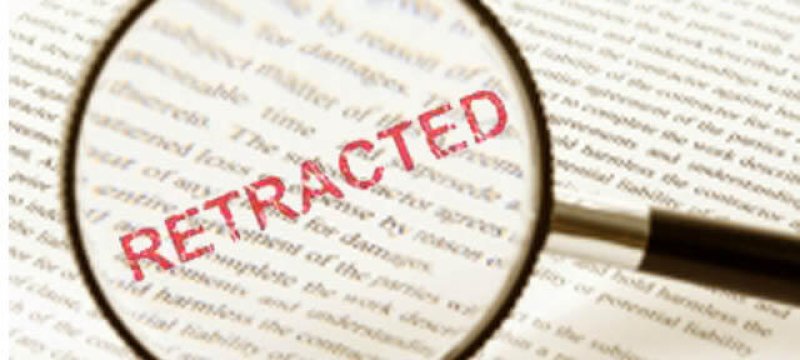
The science community faces an existential crisis as thousands of studies are retracted and dozens of peer-reviewed journals are forced to close their doors after publishing fraudulent and low-quality research. “Fake studies have flooded the publishers of top scientific journals,” The Wall Street Journal reported in 2024, “leading to thousands of retractions and millions of dollars in lost revenue.” These developments force academic scientists into an awkward position, defending their profession against accusations of incompetence and corruption while combating the flood of fraudulent research undermining their credibility. This onslaught of bad science wastes billions of taxpayer dollars and jeopardizes public health. In some instances, fraudulent research may be responsible for hundreds of thousands of deaths as fake studies inform guidelines physicians rely on when treating their patients.
This crisis is a serious threat to scientific progress. Dubious results fuel skepticism of mainstream medicine, legitimizing radicals like RFK, Jr. who claim academic publishing is corrupt to its core—merely a vehicle for boosting Big Pharma’s profits. Addressing the problem requires systemic changes: punishing bad behavior in the academy, promoting open data sharing, enforcing rigorous peer review and incentivizing replication studies. Journals and funding agencies must prioritize negative results, and institutions should reward transparency over sensationalism.
Without these reforms, the scientific method’s foundation—reliable, verifiable evidence—could crumble, slowing progress and risking additional harmful policies or applications. By fostering a culture of integrity, science can regain credibility and advance more efficiently, ensuring discoveries are robust and trustworthy for future generations.
But the question remains: will the science community consistently implement these critical solutions? Join Dr. Liza Lockwood and Cam English on this episode of Facts and Fallacies as they tackle the replication crisis with GLP contributor Dr. Kevin Folta.
Podcast: Play in new window | Download

Subscribe: RSS
Kevin M. Folta is a professor in the Horticultural Sciences Department at the University of Florida and host of the Talking Biotech podcast. Follow Professor Folta on Twitter @kevinfolta
Dr. Liza Lockwood is a medical toxicologist and the medical affairs lead at Bayer Crop Science. Follow her on X @DrLizaMD
Cameron J. English is the director of bio-sciences at the American Council on Science and Health. Follow him on X @camjenglish