


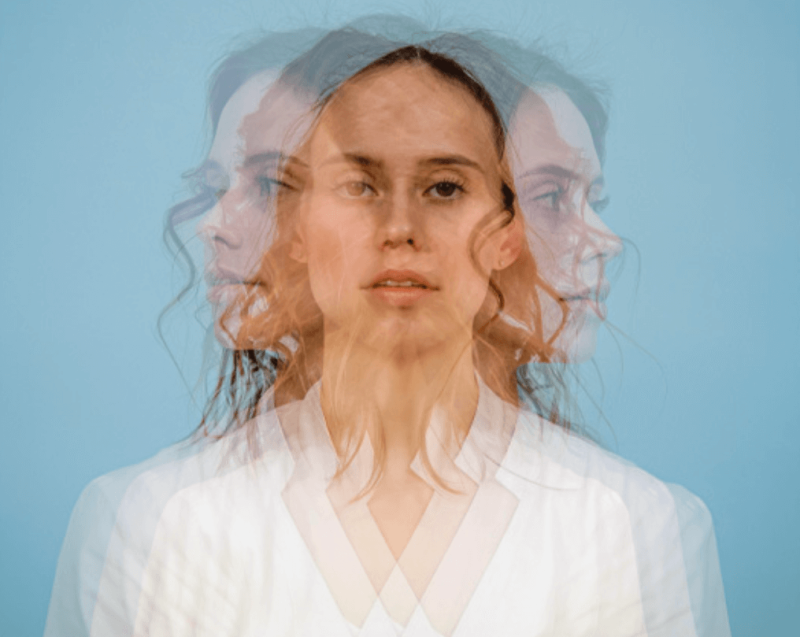

For years, people could largely trust, at least instinctively, that seeing was believing. Now, what’s fake often looks real and what’s real often looks fake.
Within the first week of 2026, that has already become a conundrum many media experts say will be hard to move past, thanks to advances in artificial intelligence.
…
“In terms of just looking at an image or a video, it will essentially become impossible to detect if it’s fake. I think that we’re getting close to that point, if we’re not already there,” [said Jeff Hancock, founding director of the Stanford Social Media Lab].



Hany Farid, a professor of computer science at the UC Berkeley School of Information, said his recent research on deepfake detection has found that people are just as likely to say something real is fake as they are to say something fake is real. The accuracy rate worsens significantly when people are shown content with political undertones — because then confirmation bias kicks in.


























