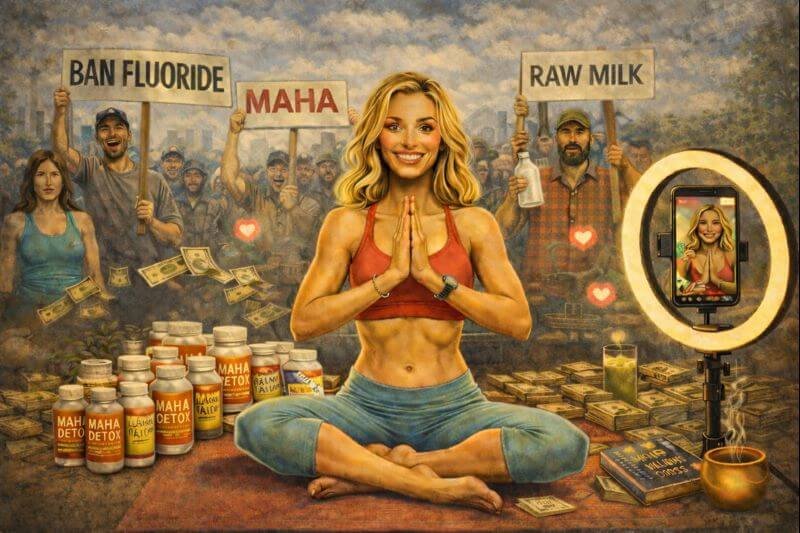
Over the past year, the MAHA-based wellness industry has emerged as a direct threat to public health. Robert F. Kennedy Jr., senior administration appointees, and MAHA-aligned influencers have promoted health positions that conflict with settled medical consensus. What began as skepticism toward pharmaceutical companies has curdled into a profitable, lightly regulated ecosystem of supplements, “biohacking,” detoxes, functional and integrative clinics, wearable health tech, anti-aging treatments, and alternative therapies—often unmoored from clinical evidence. This ecosystem is driven by influencers who monetize personal health narratives through sponsorships and algorithm-amplified fear, erasing the boundary between anecdote, marketing, and evidence.
Its political edge increasingly overlaps with MAHA, merging legitimate concern about diet and chronic disease with broad distrust of regulators, pharmaceutical companies, and mainstream medicine. Across Instagram, TikTok, X, and podcasts, wellness consumption is framed as resistance to “captured” institutions, turning lifestyle choice into political identity.
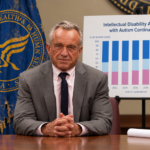
Political figures have accelerated this shift by casting science itself as corrupt. RFK Jr. and his allies normalize pseudoscience by depicting vaccines, public health agencies, and medical expertise as compromised. Intuition displaces peer review, and “doing your own research” becomes a moral badge rather than an evidentiary standard.
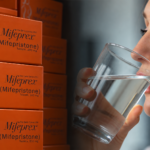
This wellness grift now shapes policy by rebranding settled public health measures as personal threats. Anti-fluoride campaigns recast a cornerstone of cavity prevention as government poisoning. Raw milk is sold as “ancestral” and “healing,” with bacterial risks dismissed as regulatory fearmongering. Vaccination schedules, food fortification, seed oils, and dietary guidelines are portrayed as unnatural intrusions rather than evidence-based protections. The result is the erosion of shared public health norms — and the return of preventable disease.
Influencers follow a familiar script — emotional testimony, toxin panics, cherry-picked studies, and promises of hidden knowledge— while converting misinformation into revenue. Authority is implied, evidence is optional, and distrust is the product. The deeper danger lies in treating “holistic” or “functional” medicine as inherently virtuous, shielding sweeping claims from accountability.
To meet this challenge, the Genetic Literacy Project is transitioning into the Science Literacy Project — an organizational name that better captures our expanded focus and the growing urgency of the moment. This evolution is not a departure from our origins, but a renewed commitment to challenging misinformation wherever it threatens evidence-based understanding, public policy, and trust in science. As scientific issues become increasingly entangled with ideology, emerging technologies and high-impact debates have become prime targets for distortion.
As GLP becomes SLP, we will maintain our deep reporting on agricultural innovation, crop protection, and advances in gene editing and gene-based medicine. At the same time, we will broaden our coverage to additional areas where misinformation is pervasive, including vaccines and public health, chemical risk assessment, energy technologies such as nuclear, fracking, and geothermal, and the rapidly accelerating influence of artificial intelligence across scientific disciplines.
We are marking this transition with a six-part curated retrospective of major features from the past year that embody this expanded mission. Organized into thematic sections, these articles highlight both the breadth of modern science and the recurring tactics— ideological framing, influencer amplification, and monetized activism — used to misrepresent evidence and shape policy debates.
- Politicization of Health & Science
- Vaccines Under Fire
- Deadly Rise of Wellness Grift
- Disinformation Attacks on Food and Farming
- Chemophobia and Monetized Activism
- AI’s Open Questions
In Part 3, we outline how the rise of wellness grift has turned skepticism of institutions into a profitable industry that promotes fringe ideas with real-world consequences. When lifestyle branding informs policies and clinical authority, pseudoscience gains legitimacy, evidence-based public health measures are undermined, and the public is placed at deadly risk.
Deadly Rise of Wellness Grift
The pandemic-era rise of “do your own research” culture has fueled science illiteracy and mistrust by conflating personal content consumption with scientific inquiry, undermining evidence-based medicine and public health while obscuring what real scientific research actually is and how it works.
Why ‘Do your own research’ and ‘Believe in Science’ encourage science illiteracy by Ricki Lewis
Wellness grift employs several recurring tactics — emotional storytelling, fear-based marketing, cherry-picked studies, anti-institutional rhetoric, and influencer amplification. Under the leadership of RFK, Jr. and his MAHA acolytes, federal agencies are employing many of these same tactics, migrating pseudoscience from online wellness culture into public health policy.
Viewpoint: Fact-checking MAHA mythmakers: How wellness influencers undermine American science and health by Andrea Love
The modern push to legalize raw milk is not a harmless food trend but a politically driven rejection of settled science — reviving deadly, preventable diseases by privileging “medical freedom,” anecdote, and ideology over a century of evidence that pasteurization saves lives. Raw milk is also a prime example of how wellness movements have moved from fringe debates to legislative halls and courtrooms.


Viewpoint: TB served in a glass—The legislative rush to legitimize raw milk by Barbara Pfeffer Billauer
The rise of functional medicine — now symbolized by the idea of nominating Cassie Means, a functional medicine evangelist, as Surgeon General — marks the pinnacle of wellness grift, where branding, pseudoscience, and anti-institutional rhetoric are mistaken for medical innovation. When such approaches gain political and regulatory power, they threaten not just individual patients, but the scientific foundations of public health itself.
Viewpoint: The functional medicine scam—Its ‘board-certified’ practitioners peddle unnecessary tests and useless supplements by Katie Suleta
Looking back better prepares us to address future challenges posed by the destructive force of wellness profiteering and its insidious influence on public health policy. These four pieces from 2025 that expose the deadly rise of an unscientific wellness industry illustrate our refined focus going forward.
Follow our six-part Year in Review series on Instagram
Barbara Pfeffer Billauer, JD MA (Occ. Health) Ph.D. is Professor of Law and Bioethics in the International Program in Bioethics of the University of Porto and Research Professor of Scientific Statecraft at the Institute of World Politics in Washington, DC.
Ricki Lewis is a science writer with a PhD in genetics. She regularly contributes articles to PLOS Blogs: DNA Science. She is author of the textbook Human Genetics: Concepts and Applications and The Forever Fix: Gene Therapy and the Boy. Follow her on her website
Andrea Love, a microbiologist and immunologist, provides the facts (and the data!) on science and health topics. Follow Andrea on X @dr_andrealove
Katie Suleta is a regional director of research in graduate medical education. Her background is in public health, health informatics, and infectious diseases. Follow Katie on Instagram @dr.katiesuleta