
… A systematic review that examined 64 studies concluded that “online nutrition-related information is often inaccurate and of low quality”. …
In spite of these risks, many people continue to be drawn to dietary trends that aren’t backed by scientific evidence. Part of the reason is because such trends don’t seek to appeal to logic or rationality. On the contrary, what makes them compelling is their appeal to our innermost desires as well as fears ….
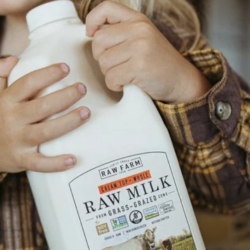
A prominent example of this fallacy in nutrition claims is the raw food movement, which encourages people to consume only uncooked and unprocessed food …. This movement has popularized the consumption of unpasteurized milk (also called raw milk), as well as uncooked eggs and meat.
…
Health influencers sometimes seek to take advantage of [healthcare] distrust to promote advice that contradicts medical consensus.
A popular example is cholesterol denialism, which is the false belief that high cholesterol isn’t dangerous and is in fact good for you ….


…
But emotional appeal does not mitigate the very real dangers of unmanaged medical conditions like high cholesterol and foodborne diseases.