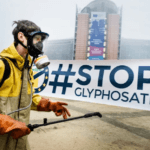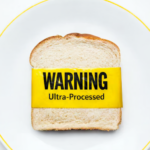
Researchers from the University College London (UCL), UK, have developed a Diet-Nutrition Misinformation Risk Assessment Tool (Diet-MisRAT) to detect and evaluate online nutrition misinformation’s potential harm.
The team says this tool is the “first of its kind” as it differs from other misinformation-detecting tools, solely detecting if the content is true or false.
The tool looks at four different dimensions: Inaccuracy — if the facts are wrong, Incompleteness — if important information is missing, Deceptiveness — if the content is framed in a misleading way, and Health Harm — if the information could lead to dangerous behavior.
It starts by analyzing online content from sources such as social media and news articles, before prompting structured questions such as whether the content poses a risk, is exaggerated, or contradicts science.

The answers given provide a score, and the higher it is, the higher the risk that the content is harmful. These scores can then rank the content based on risk classification.