Belief in unproven dietary regimes, vitamins, and crank therapies is putting patients’ health in danger and increasing the risk of getting cancer

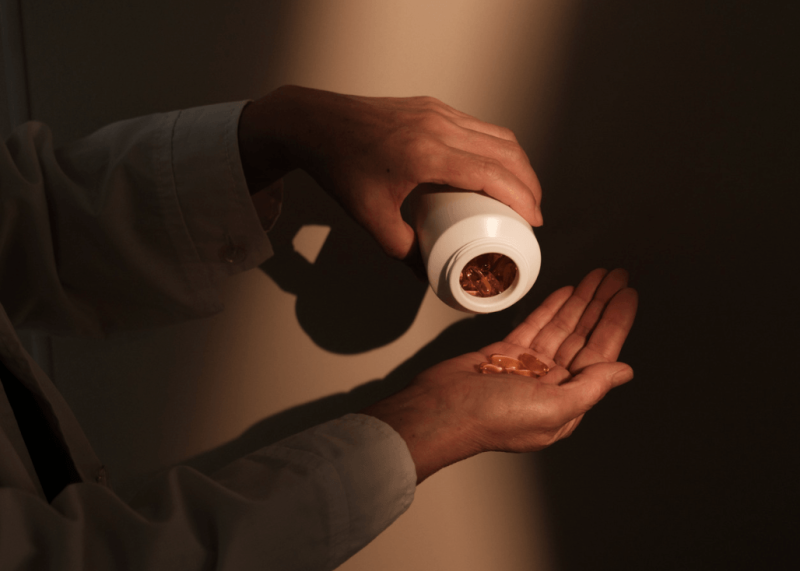
Social media misinformation about the use of dietary supplements such as turmeric, St John’s wort and magnesium is now so common that dispelling online claims has become a routine part of NHS [National Health Service] clinicians work.

Two out of five frontline health workers say they encounter patients who raise inaccurate or misleading information about supplements at least once a week.

Polling by YouGov for the World Cancer Research Fund found that the figure is even higher (53%) among nurses and midwives, with false information about nutrition and supplements now taking up what doctors describe as “precious time” in NHS consultations.

The WCRF says it fears that patients’ belief in unproven dietary regimes, vitamins and minerals is putting their health in danger and increasing their risk of getting cancer.

Follow the latest news and policy debates on sustainable agriculture, biomedicine, and other ‘disruptive’ innovations. Subscribe to our newsletter.

Dr Philippa Kaye said she saw the consequences of health misinformation every week in her GP surgery.

“My patients arrive clutching newspaper stories, social media screenshots, printouts from wellness websites or saved videos from TikTok.

“What particularly worries me is the widely held belief that if something is sold over the counter, marked as ‘natural’ or endorsed online, then it must automatically be safe and harmless, while prescribed medicines are somehow toxic,” she added. “As doctors, we know this simply is not true.”

Some popular supplements can involve hidden risks, according to Kaye. “People assume that supplements are safe because you can buy them over the counter without a prescription. But if something works, then there is an active ingredient in it that may also cause problems.”


This is an excerpt. Read the original post here

{{ reviewsTotal }}{{ options.labels.singularReviewCountLabel }}
{{ reviewsTotal }}{{ options.labels.pluralReviewCountLabel }}
{{ options.labels.newReviewButton }}
{{ userData.canReview.message }}

Related Articles

Infographic: Global regulatory and health research agencies on whether glyphosate causes cancer

Infographic: Global regulatory and health research agencies on whether glyphosate causes cancer

Does glyphosate—the world's most heavily-used herbicide—pose serious harm to humans? Is it carcinogenic? Those issues are of both legal and ...

Most Popular

ChatGPT-Image-Mar-10-2026-01_39_01-PM
Viewpoint—“Miracle molecule” debunked: Why acemannan supplements don’t work
ChatGPT-Image-Jul-1-2026-12_37_08-PM
Viewpoint: Trump poised to politicize all U.S.-supported science research
ChatGPT-Image-Jul-7-2026-01_57_55-PM
Viewpoint: Europe’s rejection of air conditioning is the poster child for misunderstanding how to mitigate the impact of climate change
ChatGPT-Image-Jun-25-2026-12_23_17-PM
No, Bill Gates did not secretly engineer ticks to promote veganism
ChatGPT-Image-Jun-30-2026-10_27_31-AM
Viewpoint: Europe clears the way for gene-edited crops — but fear-driven restrictions still slow their full potential
ChatGPT-Image-Jul-1-2026-03_33_49-PM
‘Alternative’ cancer treatments that could kill you
DtAieAIkCZy-uchn-oqg
Viewpoint: In the science misinformed grifter game plan, the organic-food-is-healthier myth might be the worst.
ChatGPT-Image-Jul-7-2026-03_07_17-PM
Kennedy blocks preventive health care panel that reviews treatments for HIV, diabetes, and cancer from meeting — for fourth time
Screenshot-2026-07-08-at-11.25.14-AM
AI being mobilized to target misinformation about vaccines–on AI
d a ca e c c beb x
Facts & Fallacies podcast: The 'woke' crusade against anthropology? Dr. Elizabeth Weiss
ChatGPT-Image-Jun-15-2026-03_00_23-PM
World’s first AI-designed vaccine explained
ChatGPT-Image-Jun-15-2026-01_04_14-PM
Viewpoint: How politicized science became a political religion 
glp menu logo outlined

Get news on human & agricultural genetics and biotechnology delivered to your inbox.