![[Franck/ Unsplash]](https://geneticliteracyproject.org/wp-content/uploads/elementor/thumbs/tik-tok-unsp-png-e1786408312737-rrq41fywf6qk97sk9b0zkb23lvs6fp9krrkf31lyls.png "tik tok unsp png")

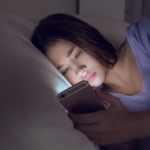
Medical professionals across the globe are sounding the alarm over a dangerous explosion of health misinformation propagating on short-form video platforms. The trend, colloquially dubbed “SickTok” by healthcare workers, has transformed social media algorithms into unverified digital clinics, prompting doctors to warn patients about the severe physical and psychological risks of adopting internet-prescribed treatments.
Physicians report a sharp increase in clinical appointments where patients arrive armed not with symptoms, but with self-diagnoses and treatment plans sourced entirely from 45-second TikTok videos. From drinking vinegar to melt belly fat to experimenting with unregulated supplements for erectile dysfunction, the sheer volume of medically unsound advice is forcing doctors to spend critical consultation time debunking viral myths.
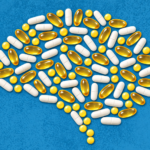
Dr. Crawford-Faucher specifically warns against so-called “miracle” products marketed for rapid weight loss or sexual dysfunction. These items possess no proven track record of clinical success, evade FDA scrutiny, and contain undisclosed chemical compounds that can trigger life-threatening reactions when mixed with prescribed pharmaceuticals.
…
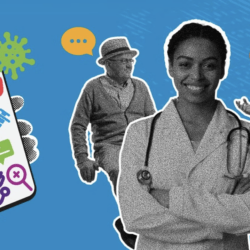

The virality of “SickTok” respects no borders, presenting a critical challenge for international public health bodies. The World Health Organization (WHO) has repeatedly cited digital misinformation as a primary barrier to effective disease management.