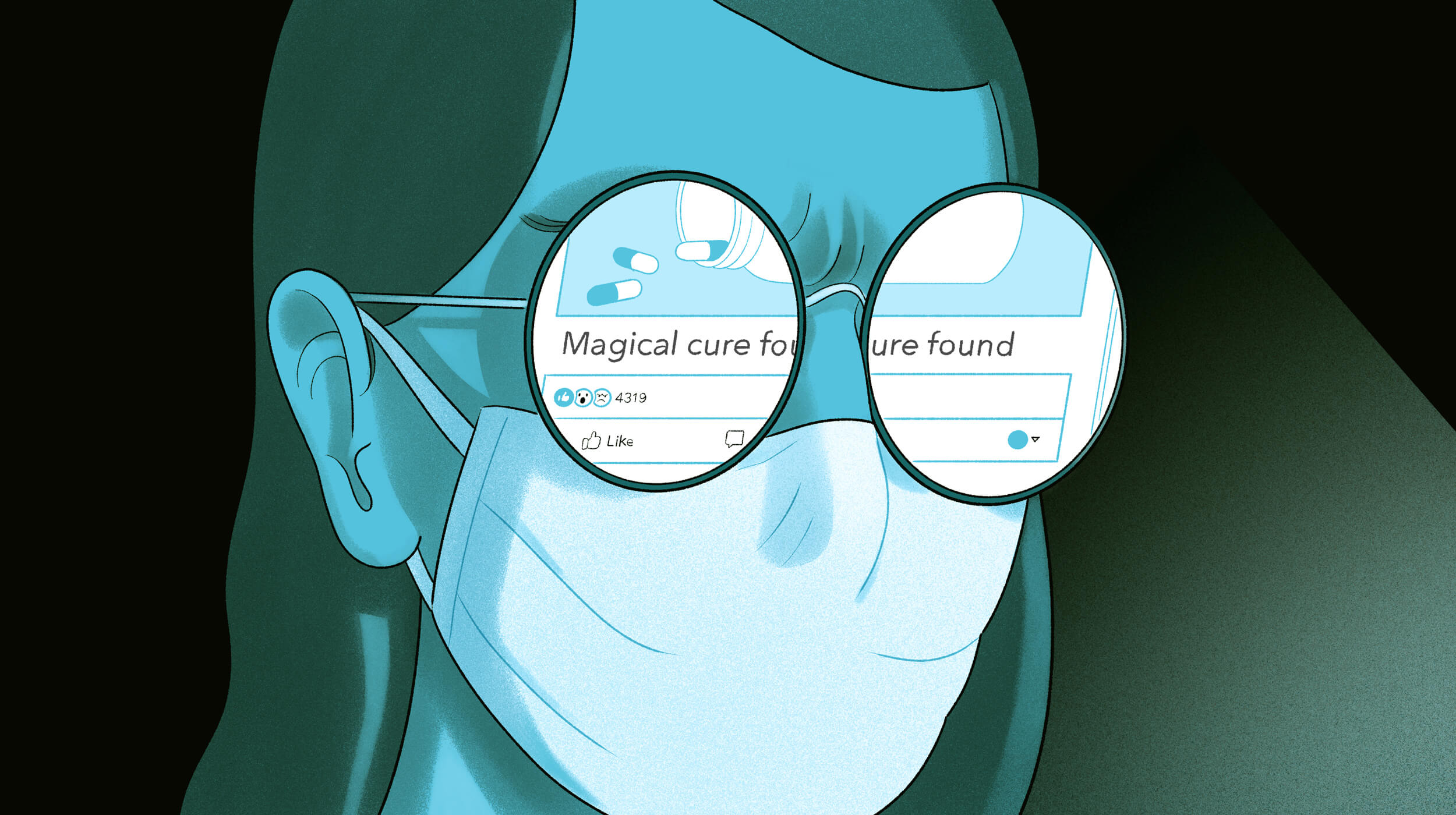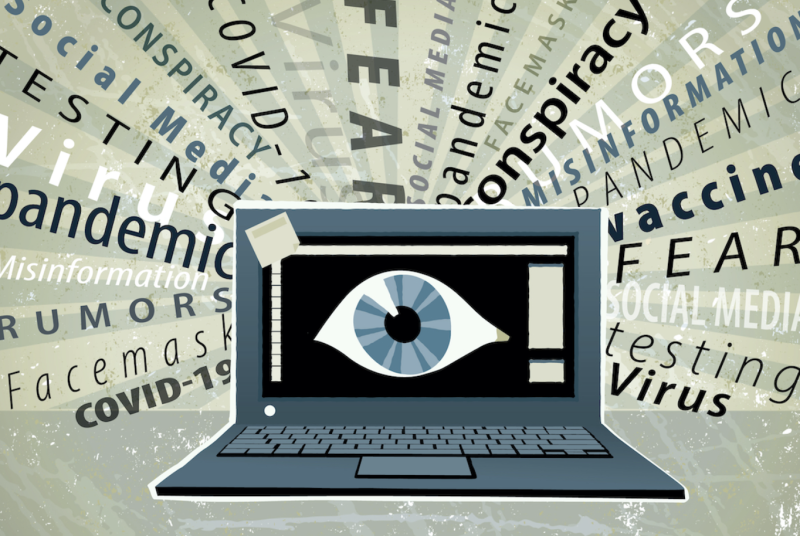

Feeling smarter than everyone else might be exactly what makes people fall for medical misinformation, as Glendale Star columnist Mia Smitt argues in a recent piece on health conspiracy theories, from the debunked MMR-autism link to COVID-19 myths about microchips and DNA alteration.
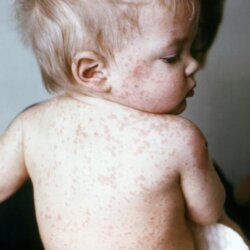
Smitt traces the pattern through cases like the retracted 1998 Lancet studies linking vaccines to autism, false claims that the HPV vaccine encourages teen sex, and the on-and-off panic over hormone replacement therapy. Each myth outlived its debunking — MMR hesitancy alone is tied to a 180% jump in U.S. measles cases between 2024 and 2025.
The overconfidence connection
The real hook is psychological. Smitt cites a 2023 Psychological Bulletin meta-analysis finding that “a reliance on intuition, a heightened perception of environmental threats, antagonism and often a feeling of superiority” make people more prone to conspiracy theories. A 2024 Journal of Social Psychology study links the same belief patterns to entitlement. Her takeaway: certainty feels good, but it’s not evidence.



|
Related on the SLP
Narcissists are more likely to fall for conspiracy theories. Why?
|