Social media influencers are driving food misinformation across Europe

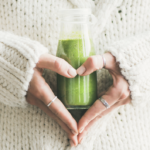
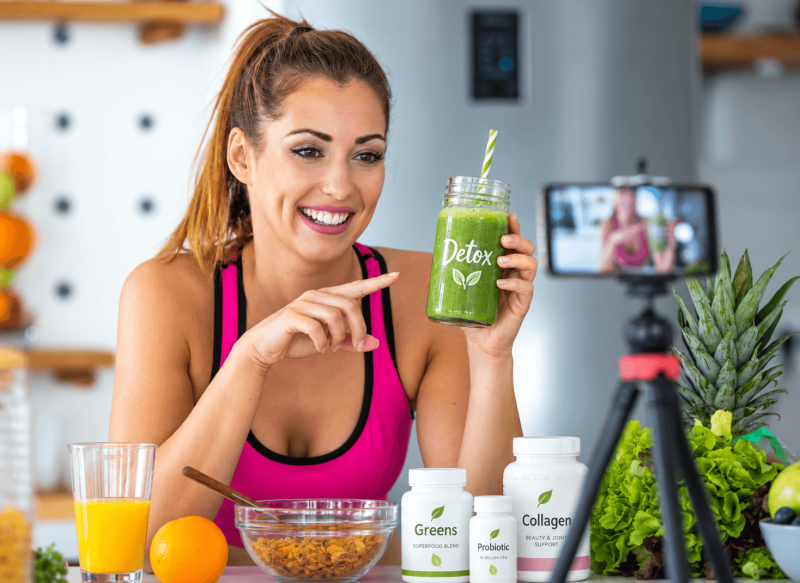
Scroll long enough and someone will promise that a supplement, superfood or detox tea can fix whatever ails you. Those influencers are a major engine of food misinformation across Europe, according to a new stakeholder workshop, as Patient Daily reports.

The workshop, organized by the European Food Information Council (EUFIC) and Fundación Maldita.es, drew on the EU-funded Infoodmation project, which combed through more than 540,000 social media posts from 16 European countries. Among roughly 24,000 food-related posts, researchers flagged misleading content about supplements (474 instances), weight-loss products (256), superfoods (242) and detox claims (76).

The messages leaned on familiar tropes: that “natural” ingredients are inherently superior, or that traditional foods come with built-in health benefits. Of the examples making health claims, 67% lacked enough nutritional or ingredient information for anyone to properly evaluate them. Short videos were the go-to format for pushing those claims.

The problem isn’t always an outright falsehood. “The challenge is not always a claim that is clearly false,” said Rocío Benavente Pérez, deputy director at Fundación Maldita.es. “A food message can also be misleading by leaving out important context or making one product sound like a solution to a much bigger problem.”
Mis- and disinformation are distorting science and public policy. Subscribe to our Daily and Weekly Digests for incisive coverage of ‘disruptive’ innovations in AI, agricultural biotechnology, food, chemicals, nuclear energy, vaccines, and other disruptive innovations.

As for who is doing the talking, food industry actors made up 52% of the identified sources. Participants singled out two groups as especially vulnerable: children and young people whose critical-thinking skills are still developing, and people with chronic health conditions searching for dietary solutions.

To push back, the workshop called for stricter enforcement of marketing rules aimed at children, closer oversight of influencer content and paid partnerships, better public education on judging the credibility of food information, and corporate accountability that goes beyond mere legal compliance.


Read the original article here

Related Articles

Infographic: Global regulatory and health research agencies on whether glyphosate causes cancer

Infographic: Global regulatory and health research agencies on whether glyphosate causes cancer

Does glyphosate—the world's most heavily-used herbicide—pose serious harm to humans? Is it carcinogenic? Those issues are of both legal and ...

Most Popular

ChatGPT-Image-Mar-10-2026-01_39_01-PM
Viewpoint—“Miracle molecule” debunked: Why acemannan supplements don’t work
Screenshot-2026-10-06-at-11.13.59-AM
RFK Jr.’s plan to curb America’s appetite for ultra-processed foods and artificial dyes blocked by the White House
Screenshot-2026-09-22-at-12.26.15-PM
‘Forever chemical’ concerns: Separating hysteria from reasonable concern in the debate over PFAS danger
Screenshot 2026-10-08 at 1.34
Hooked on kratom: The unregulated, natural, alcohol-free “social tonic” that is destroying lives 
Screenshot-2026-10-06-at-2.36.47-PM
Is organic farming really more sustainable? 100 recent studies say ‘no’
Resolute-Portrait-with-Injured-Teddy-Bear
Anti-vax Texas Senate candidate Ken Paxton alleges conspiracy by doctors, drugmakers, and insurers to push childhood vaccination for profit
Screenshot-2026-09-28-at-11.26.17-AM
Viewpoint: Wellness movement activists reposition nicotine from a killer addictive drug into a cure-all for brain ills
AI-Force-Uniform-Insignia-Close-Up
Trump wants an AI Force like Space Force, but that could make AI’s risks harder to manage
Radioactive-Americana-Collage-2
The kooky logic behind the raft of spurious cancer claims from Harvard’s T.H. Chan School of Public Health
No-Data-Center-Farm-Protest-Sign-2
Rural revival or corporate windfall? Trump’s One Big Beautiful Bill tax law opens the door to big breaks for data centers—but tech giants aren’t cashing in
ChatGPT-Image-Sep-21-2026-11_21_39-AM
Viewpoint: Food cults: Online ‘nutrition communities’ can pose unique dangers
strand of dna genetics
No, GMO foods do not “damage genes, natural disposition and hormones, or decrease physical health and intelligence”
Supreme-Court-Amid-Climate-Crisis
Should fossil fuel companies be shielded from lawsuits over climate change damage? The Supreme Court takes up the question
glp menu logo outlined

Get news on human & agricultural genetics and biotechnology delivered to your inbox.