Non-browning CRISPR gene-edited bananas move one step closer to British markets

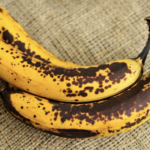
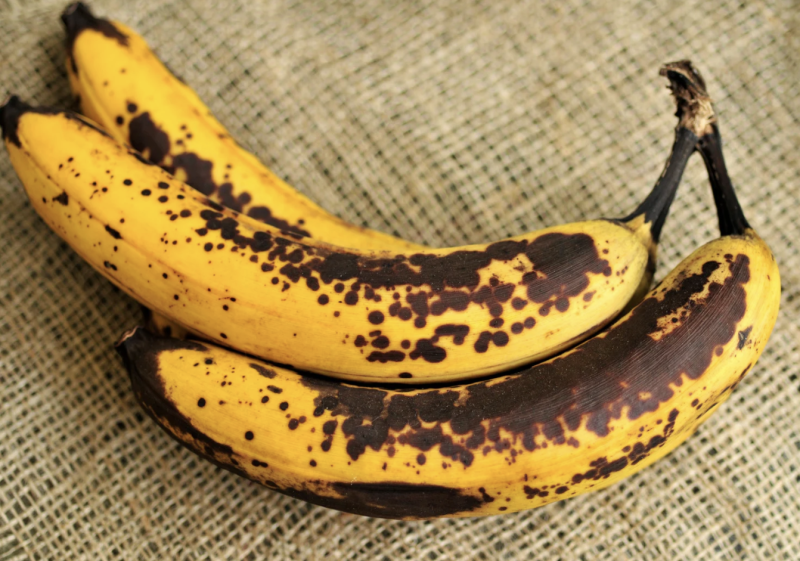
Bananas that stay yellow long after their peers have turned to mush are edging closer to British supermarket shelves. A gene-edited variety developed by Norfolk-based Tropic Biosciences has reached the final approval stage before it can legally be sold, as The Telegraph’s Joe Pinkstone reports.

The Environment Secretary signed off on a marketing notice for the fruit, which resists browning as it ages or gets bruised. Tropic used CRISPR-Cas9 to tweak three genes, stopping the plant from making polyphenol oxidase (PPO), the enzyme behind browning.

The stakes aren’t purely cosmetic. The Department for Environment, Food and Rural Affairs (Defra) says browning causes “around 20 percent of banana yield losses,” so curbing it could boost farmer profits and extend shelf life. The variety, Defra adds, “is intended for import, retail, and consumption purposes akin to conventional banana fruit.”

One hurdle remains: Tropic must submit the bananas to the Food Standards Agency (FSA) for routine safety checks.

Mis- and disinformation are distorting science and public policy. Subscribe to our Daily and Weekly Digests for incisive coverage of ‘disruptive’ innovations in AI, agricultural biotechnology, food, chemicals, nuclear energy, vaccines, and other disruptive innovations.

The bananas join a growing list of precision-bred organisms approved by Defra, including longer-fruiting strawberries, vitamin D-rich “sunshine tomatoes,” disease-resistant potatoes and wheat with less of a cancer-linked chemical. The Precision Breeding Act 2022 permits switching off or removing genes but bars inserting DNA from other species, which counts as genetic modification.


“All new plant varieties go through testing. These crops will be held to the same standards, if not more so,” Cathie Martin, a professor who leads the lab where the tomatoes were developed, previously told The Telegraph.

The bananas won’t need a label identifying them as gene-edited.

Read the original article here

Related Articles

Infographic: Global regulatory and health research agencies on whether glyphosate causes cancer

Infographic: Global regulatory and health research agencies on whether glyphosate causes cancer

Does glyphosate—the world's most heavily-used herbicide—pose serious harm to humans? Is it carcinogenic? Those issues are of both legal and ...

Most Popular

Screenshot-2026-10-01-at-10.52.08-AM
Non-browning CRISPR gene-edited bananas move one step closer to British markets
AI-Force-Leadership-Portrait
Jay Clayton controversy: The divisive history of Trump’s newly-appointed AI czar
Screenshot-2026-09-22-at-10.54.12-AM
‘They misunderstand science’: Research attempting to tie autism to changes in the gut microbiome comes under fire
ChatGPT-Image-Mar-10-2026-01_39_01-PM
Viewpoint—“Miracle molecule” debunked: Why acemannan supplements don’t work
Elderly-Speaker-at-MAHA-Institute
At anti-vaccine MAHA conference, RFK Jr. pledges to unify federal health information and combat vaccine safety ‘misinformation’
ChatGPT-Image-Sep-21-2026-11_21_39-AM
Viewpoint: Food cults: Online ‘nutrition communities’ can pose unique dangers
ChatGPT-Image-Sep-10-2026-10_36_07-AM
Viewpoint: Even lousy scientific articles can shield authors when they hype dubious health claims and products
Screenshot 2026-10-01 at 12.30
Combating ‘narrative distortion’: Will pharma companies step up to challenge health misinformation?
ChatGPT-Image-Sep-21-2026-03_15_09-PM
Viewpoint: Chipotle-inspired lesson: 10,000 sick customers suggest that processed foods can be safer than fresh ones
generated-1790707585414
Facts & Fallacies podcast: America's health care system is broken. A doctor explains how to fix it
glp menu logo outlined

Get news on human & agricultural genetics and biotechnology delivered to your inbox.