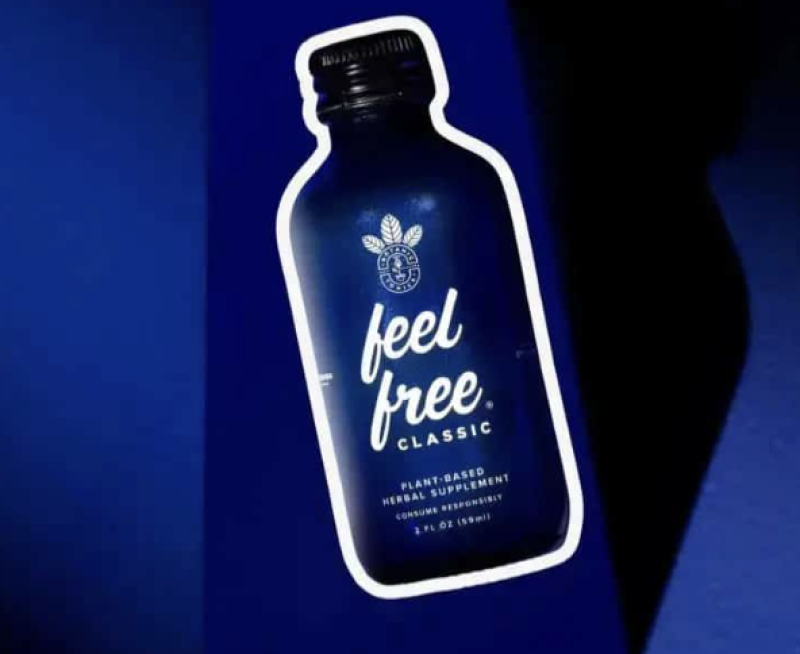

Feel Free, a tiny blue bottle of kratom-laced “social tonic” sold at more than 30,000 U.S. stores, is leaving a trail of accidental addictions in its wake, as Josh Code reports for The Free Press. Marketed as an alcohol-free wellness drink, it delivers an opioid-like high at higher doses — and some users say quitting felt like heroin withdrawal.
Manufacturer Botanic Tonics says it has sold about 65 million bottles since 2020, pitching them through wellness influencers, college athletic partnerships, and checkout-counter “impulse” displays. Fine-print warnings that the drink “can be habit-forming” appeared only after the company settled a class-action lawsuit alleging it hid Feel Free’s addictive potential.
Users describe spiraling fast. One college student went from social-anxiety relief to eight bottles a day; a woman newly sober from alcohol hit 12 a day and $15,000 in debt before landing in the hospital during withdrawal. “Anything that feels that good, you pay the piper on the back end,” said Madelyn Padilla, a recovery center admissions specialist and former heroin user who quit the drink after four months.
Legal pressure is mounting. Arizona Attorney General Kris Mayes has sued Botanic Tonics for consumer fraud, and the parents of Kevin Oliveira, a 32-year-old Florida man whose death was attributed solely to toxic levels of mitragynine, kratom’s main psychoactive compound, have filed a wrongful death suit. The company denies misleading customers. Meanwhile, a study of overdose deaths in Florida linked kratom use to a sixfold increase in overdose death risk.



Treatment is tricky because kratom hits more than just opioid receptors, says Dr. Julia Aharonov, an addiction specialist who has treated more than 200 Feel Free and kratom users at her Michigan detox clinic. About 80 percent are “oops people,” she said, who got hooked without knowing what kratom was. “These people are your usual neighbors, your CPAs, your federal employees, your nurses,” Aharonov said.