


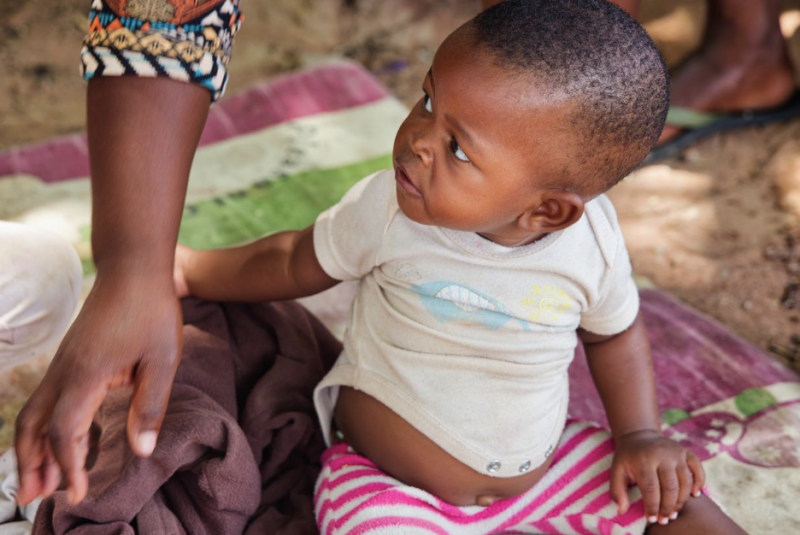

The CDC is reopening its wallet for a hepatitis B vaccine trial in Guinea-Bissau shelved earlier this year amid an ethics uproar. As Katherine Eban for the Rolling Stone reports, a staffer in the director’s office told the agency’s budget office in late September to set aside $1.6 million for the study, pulled from global health security funds. The move comes two months after Dr. Erica Schwartz was confirmed as CDC director, though how involved she was remains unclear.
The trial would enroll 14,000 newborns, giving half the hepatitis B birth dose and withholding it from the rest, to probe for harms like neurodevelopmental disorders. It would be led by Christine Stabell Benn and Peter Aaby of the University of Southern Denmark, longtime favorites of Health Secretary Robert F. Kennedy Jr. The couple is separately under review by the Danish Committee on Research Misconduct over unrelated allegations, which they deny.
Critics note that one in five adults in Guinea-Bissau has hepatitis B, so some unvaccinated infants could be infected at birth. “It’s a wholly unethical trial, and it shouldn’t be allowed,” says Dr. Paul Offit, a pediatrician and director of the Vaccine Education Center at the Children’s Hospital of Philadelphia, warning that “thousands will be doomed to develop cirrhosis or liver cancer.”
Stabell Benn counters that no child will get less than the local standard of care, since Guinea-Bissau doesn’t routinely give the birth dose. “The trial complies with current national policy in Guinea-Bissau and has been reviewed and approved by the competent national ethics committee,” she previously said.



The World Health Organization flagged “significant concerns” about the study’s ethical safeguards in a February statement on the planned trial. Even so, the university’s health sciences dean approved the revised protocol on October 7, pending final sign-off from Guinea-Bissau. Stuart Burns, a Kennedy ally in the director’s office, reportedly steered the funding. “Some of these things don’t die,” one government health official told the magazine. “They go into hibernation.”





























