For Jamaican athletes, speediness is in the genes

A D F A E F B mw s n

Before my Jamaican-born grandfather, Egan โ€œTeddyโ€ Brooks, left Harlem for Scotland in 1935, he was on the track team at George Washington high school in New York. Somebody wrote on his yearbook photo: โ€œCan he run!โ€

NOTE: GLP’s Jon Entine has written a book on the impact of genes in sports: Taboo: Why Black Athletes Dominate Sports and Why We’re Afraid to Talk About It. Here is a recent article he wrote on Jamaican runners. He’s also written about the topic on Forbes.com:ย The DNA Olympics โ€” Jamaicans Win Sprinting โ€˜Genetic Lotteryโ€™ โ€” and Why We Should All Care

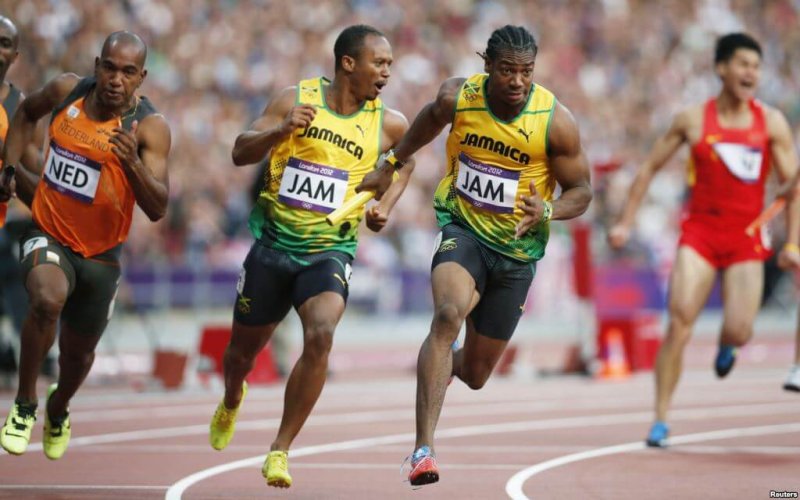
This year’s Commonwealth Gamesย will provide a further demonstration of the Jamaican flair for sprinting. The fact that my grandfather, Usain Bolt and many other Jamaican-born athletes are so fast is, in scientific terms, an anomaly. Anomalies are often the harbingers of a profound scientific insight. So what might we learn from this one? The answer has nothing to do with reinforcing prejudices about the sporting abilities of black people. Itโ€™s about facing up to the consequences of past events.

Scientists have looked into theย genetics of Jamaican sprintersโ€™ dominance. The first gene associated with powerful sprinting is the angiotensin-converting enzyme, or ACE, gene. If you have a particular variant of this gene (known as the โ€œD alleleโ€) you are likely to have a larger than average heart capable of pumping highly oxygenated blood to muscles quicker than the average human. That also gives your body a better response to training. In people of west African origin, the frequency of the variant is slightly higher than in those of European and Japanese origin. In Jamaica, itโ€™s a little higher than in west Africa.

Read the full, original story: Why are Jamaicans so good at sprinting?

{{ reviewsTotal }}{{ options.labels.singularReviewCountLabel }}
{{ reviewsTotal }}{{ options.labels.pluralReviewCountLabel }}
{{ options.labels.newReviewButton }}
{{ userData.canReview.message }}

Related Articles

Infographic: Global regulatory and health research agencies on whether glyphosate causes cancer

Infographic: Global regulatory and health research agencies on whether glyphosate causes cancer

Does glyphosateโ€”the world's most heavily-used herbicideโ€”pose serious harm to humans? Is it carcinogenic? Those issues are of both legal and ...

Most Popular

ChatGPT-Image-Jun-9-2026-01_11_37-PM
Turmeric supplements: More risks than benefits
Screenshot-2026-06-05-at-2.12.30-PM
Some plants can poison you. So how did humans figure out what is safe to eat?
Screenshot-2026-06-17-at-9.44.03-AM
Viewpoint: Embryos are becoming the newest battleground of love, loss, and legal uncertainty
ChatGPT-Image-Mar-10-2026-01_39_01-PM
Viewpointโ€”โ€œMiracle moleculeโ€ debunked: Why acemannan supplements donโ€™t work
ChatGPT-Image-Jun-14-2026-09_41_44-AM-2
Viewpointโ€”โ€˜The gleeful efficiency of an arsonistโ€™: Administrationโ€™s health and science research cuts are โ€˜sabotagingโ€™ Americaโ€™s future
ChatGPT-Image-Jun-11-2026-01_15_03-PM
Selective Pressure, Selective Silence
wuhan institute of virology main entrance
โ€‹โ€‹COVID lab leak? Making a case that the Wuhan market origins theory is wrong
ChatGPT Image May 26, 2026, 08_42_17 AM (1)
Viewpoint: Greenpeace and poison: How environmental advocacy groups rely on compliant (and often ignorant) journalists to spread disinformation and spark litigation
ChatGPT-Image-May-18-2026-12_06_18-PM-2
Defying death: The immortality movement goes mainstream
newborn infant baby mother
Facts & Fallacies Podcast: The truth about vitamin K shots

Sorry. No data so far.

glp menu logo outlined

Get news on human & agricultural genetics and biotechnology delivered to your inbox.