Monsanto haters take note: How it plans to protect environment

Screen Shot at PM

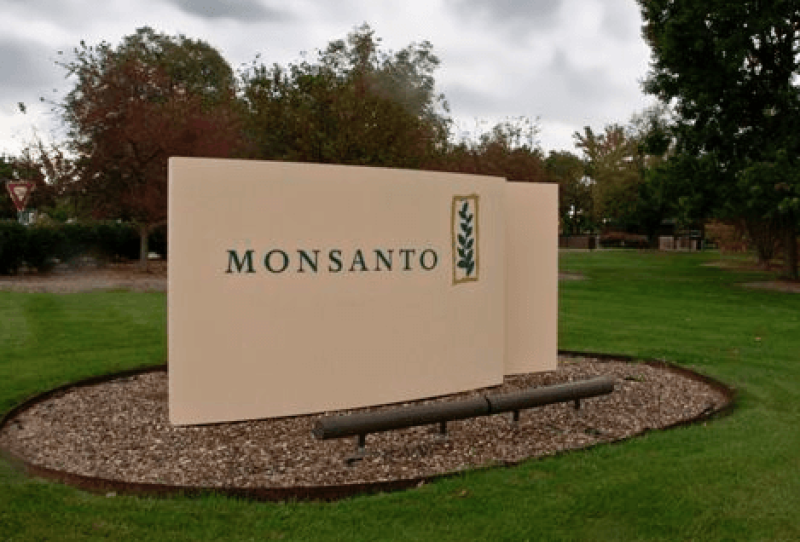
Monsanto has been called one of the US’s most hated companies (see this, which is credible, and this, which is not). Maybe that’s because the St. Louis-based agricultural giant has enemies who are determined, as well as self-interested. (See this petition to Hillary Clinton from the so-called Organic Consumers Association.) Maybe it’s because the  St. Louis-based ag giant historically has done a poor job of explaining itself to the public. Whatever the explanation, Monsanto has been dogged by a series of misunderstandings and outright lies.

As David Friedberg, the CEO of Climate Corporation, wrote in an email to employees after he sold his San Francisco-based data startup to Monsanto in 2013:

Calling a company evil is easy. And if you do it enough times it can become the “reality”—because reality is just the most common perception. Say something enough times and everyone thinks it’s the truth…

When I did my own research—to the source and in the science—I was amazed at how far these inaccurate statements had gone and how wrong so many people were, thinking they were right because they repeated the same things others did.

Recently, I went to see Friedberg in San Francisco to learn more about Climate Corp. and the potential for what’s often called precision agriculture. Precision agriculture is a growth business (pun intended) and that’s a very good thing.
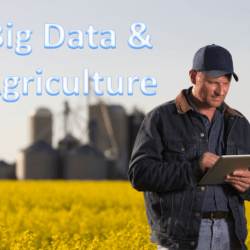

The Guardian published my story about Friedberg and Climate Corp. explaining how Climate Corp. hopes to deliver environmental benefits as well as financial returns to farmers.

Read full, original article: How “evil” Monsanto aims to protect the planet

Related Articles

Infographic: Global regulatory and health research agencies on whether glyphosate causes cancer

Infographic: Global regulatory and health research agencies on whether glyphosate causes cancer

Does glyphosate—the world's most heavily-used herbicide—pose serious harm to humans? Is it carcinogenic? Those issues are of both legal and ...

Most Popular

ChatGPT-Image-Mar-10-2026-01_39_01-PM
Viewpoint—“Miracle molecule” debunked: Why acemannan supplements don’t work
Screenshot-2026-09-17-at-1.07.08-PM
'We are dangerously addicted to antidepressants': Should we heed RFK Jr.’s sobering warning?
ChatGPT-Image-Sep-2-2026-02_03_32-PM
How much of a problem is AI’s water use?
ChatGPT-Image-Sep-22-2026-10_32_46-AM
There has been a slew of recent reports of food recalls and foodborne outbreaks. Do we face an escalating problem?
ChatGPT-Image-Aug-26-2026-12_46_16-PM
Viewpoint: The fake controversy over whether combining childhood vaccines is dangerous— a debate science resolved 25 years ago
Screenshot-2026-09-03-at-10.51.20-AM
Viewpoint: Why do online health lies outlive the evidence that debunks them? Read "Everyone Else Is Lying to You"
ChatGPT-Image-Sep-23-2026-01_52_03-PM
Viewpoint: 4 very real AI doomsday scenarios
Screenshot-2026-09-23-at-11.55.01-AM
How can we know if social media bans actually help teens?
Screenshot-2026-09-22-at-11.40.28-AM
After Idaho criminalized abortion providers in 2022, one-third of obstetricians fled. Health care advocates are making rural health the case for repealing the ban
Screenshot-2026-09-23-at-3.15.09-PM
Anti-GMO activists in Pakistan rev up their campaign of dire warnings
Screenshot-2026-09-17-at-12.00.30-PM
Investigative group ProPublica finds links between ectopic pregnancy deaths and abortion bans
ChatGPT-Image-Sep-23-2026-11_47_32-AM
Facing pressure from Trump administration, fewer hospitals offer medical treatment for transgender minors
glp menu logo outlined

Get news on human & agricultural genetics and biotechnology delivered to your inbox.