Legos and Mark Ruffalo explain promises and perils of synthetic biology

eBay genome auction
Image via Scientific American.

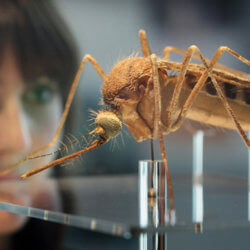
Synthetic biology is proving to be one of the most promising areas of science. So far, it’s given us a source of anti-malaria drugs, sterilized mosquitoes, and even made color-changing flowers. With increasingly simple methods and innovative minds in the field, the possibilities of what we can create with a little manipulation of biological systems is endless.

But genetic engineering isn’t without its detractors. This was made clear by the recent highly publicized call by scientists around the world for a moratorium on the use of gene editing technique CRISPR/Cas9 in the human germline. Indeed, genetically modified organisms have long been met with reactions ranging from cautious skepticism to calls for an outright ban on their release into the environment.

The video below, from Grist, gives a clever overview of how synthetic biology works – using Legos – as well as a brief history of the fraught and highly polarizing debates it’s brought over the years. Will the future of synthetic biology forever be caught between an unregulated Wild West nightmare, and total prohibition with no progress? Or can scientists and policymakers find a more middle-ground approach that harnesses the benefits while keeping disaster at bay?
The GLP aggregated and excerpted this blog/article to reflect the diversity of news, opinion and analysis. Read full, original post: This synthetic biology explainer involves Legos, Mark Ruffalo, and skateboards. Watch it

Related Articles

Infographic: Global regulatory and health research agencies on whether glyphosate causes cancer

Infographic: Global regulatory and health research agencies on whether glyphosate causes cancer

Does glyphosate—the world's most heavily-used herbicide—pose serious harm to humans? Is it carcinogenic? Those issues are of both legal and ...

Most Popular

Screenshot-2026-09-20-at-9.03.54-AM
From Malaysia to the world: A pioneering science communicator reimagines global science communication for a digital age
Screenshot-2026-09-16-at-2.26.42-PM
Viewpoint: How to ecologically damage America’s forests: Ban glyphosate
ChatGPT-Image-Sep-17-2026-12_28_43-PM
Vitamin D, omega-3 fish oil and glucosamine supplements could cause brain damage 
ChatGPT-Image-Mar-10-2026-01_39_01-PM
Viewpoint—“Miracle molecule” debunked: Why acemannan supplements don’t work
Screenshot-2026-09-20-at-4.31.28-PM
White House drafting executive order to control what OMB Director Vought claims are “woke” NIH science grants
ChatGPT-Image-Sep-20-2026-04_22_32-PM
What’s Trump’s ‘AI Force’? Administration rushes to announce ill-defined watchdog agency and czar amid criticism of its resistance to curb AI acceleration
Screenshot-2026-08-12-at-11.31.46-AM
AI is helping develop new vaccines
Screenshot-2026-09-14-at-4.31.14-PM
Viewpoint: What’s the likely impact when the EPA loosens rules limiting methane pollution from oil and gas wells?
Screenshot-2026-08-19-at-6.19.42-PM
Facts & Fallacies podcast: 'Regenerative farming'? RFK Jr.’s federal push romanticizes the past and risks food security
ChatGPT-Image-Sep-18-2026-10_49_24-AM
‘Symptom borrowing’: Young people are copying health problems they see on TikTok
ChatGPT-Image-Aug-28-2026-03_33_46-PM
Viewpoint: Bad science—Five bogus Trump administration claims about vaccines and autism
ChatGPT-Image-Sep-9-2026-02_48_24-PM
Viewpoint: Trump-RFK Jr. report on “Gender Ideology & Left-wing Ideology’ targets LGBTQ community—and science
glp menu logo outlined

Get news on human & agricultural genetics and biotechnology delivered to your inbox.