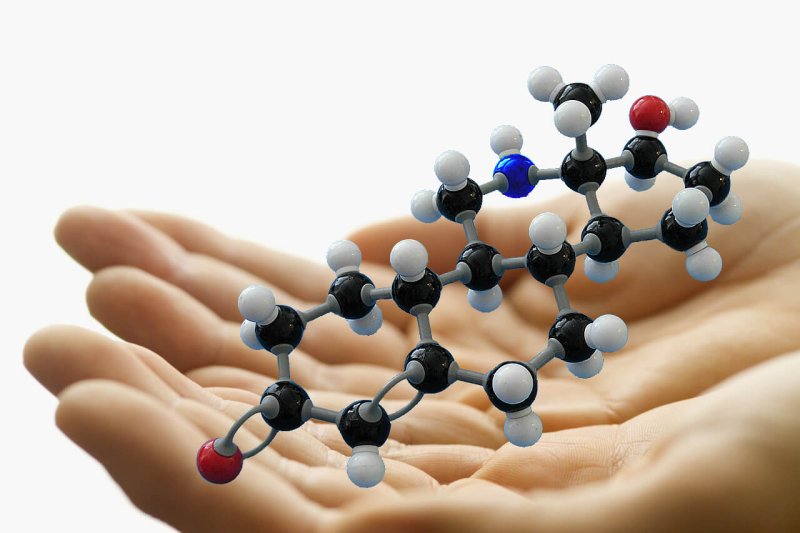
Biotech companies adopting new vocabulary to escape anti-GMO stigma

Products Services

The GLP aggregated and excerpted this blog/article to reflect the diversity of news, opinion and analysis. 

Here are some words guaranteed to draw exasperated sighs among synthetic biologist: Food Babe. Greenpeace. Friends of the Earth. These are megaphone-wielding critics of genetically modified organisms. “They really have an agenda,” said a synthetic biology company rep, her eyes widening with concern, at Consumer Bio, an invite-only forum for venture capitalists and applied biology companies in San Francisco this week. Food Babe was most certainly not invited, but the anti-GMO message she’s perfected was the subtext of many conversations.

At Consumer Bio, companies both big and small dreamed about the potential of genetically engineering microbes to make food, perfumes, and new materials like lab-spun spider silk. The small companies included start-ups like the event’s sponsor, Ginkgo Bioworks, a Boston-based outfit that make flavors and fragrances with yeast. But the big players were there, too–Colgate, General Mills, L’Oreal. And most of them agreed that their biggest problem isn’t science. It’s branding.
Everyone there was afraid of “GMOs”—not the idea, but the word. “A big struggle everyone here has is how to do you talk about your product without calling it a genetically modified organism,” says Mark Bünger of the market research firm Lux Research. In a world where “is Monsanto” autocompletes to “evil” and “satan,” you want to stay far far away. But how do you tout the benefits of a technology when the well is already so poisoned?

Read full, original post: Biotech’s new plan: Nobody say ‘GMO’

{{ reviewsTotal }}{{ options.labels.singularReviewCountLabel }}
{{ reviewsTotal }}{{ options.labels.pluralReviewCountLabel }}
{{ options.labels.newReviewButton }}
{{ userData.canReview.message }}

Related Articles

Infographic: Global regulatory and health research agencies on whether glyphosate causes cancer

Infographic: Global regulatory and health research agencies on whether glyphosate causes cancer

Does glyphosate—the world's most heavily-used herbicide—pose serious harm to humans? Is it carcinogenic? Those issues are of both legal and ...

Most Popular

ChatGPT-Image-Mar-10-2026-01_39_01-PM
Viewpoint—“Miracle molecule” debunked: Why acemannan supplements don’t work
ChatGPT-Image-Jun-25-2026-01_14_50-PM
Viewpoint: Disinformation grift: The wellness industry is a lucrative and mostly worthless marketplace of ‘balms, brews, and baloney’
ChatGPT-Image-Jun-25-2026-12_23_17-PM
No, Bill Gates did not secretly engineer ticks to promote veganism
ChatGPT-Image-Jun-30-2026-01_09_47-PM
Viewpoint: As MAHA blows up over Supreme Court ruling limiting glyphosate litigation, Trump offers toothless plan to reduce pesticides in food
ChatGPT-Image-Mar-4-2026-09_39_03-AM
Transgender female athletes and Title IX: Separating ‘policy’ from ‘legality’
ChatGPT-Image-Jun-23-2026-12_19_35-PM
Ideological red flag: Led by anti-vax doctor, Tennessee is now the U.S. epicenter selling potent ivermectin shown worthless to prevent or treat Covid
Screenshot-2026-06-30-at-10.43.50-AM
Viewpoint: Why are there no approved bioengineered insect-protected (Bt) apples?
Screenshot-2026-06-30-at-3.08.03-PM
From infrared sauna blankets to collagen gummies, here’s the top 10 social-media-promoted wellness shams
marijuana-pot-in-hand-nveri-st-xpm-t-abq-fkifeos-s-rws-cmpx-
Facts & Fallacies podcast: Legalized weed drives drug addiction, psychosis?
Screenshot-2026-06-05-at-2.12.30-PM
Some plants can poison you. So how did humans figure out what is safe to eat?

Sorry. No data so far.

glp menu logo outlined

Get news on human & agricultural genetics and biotechnology delivered to your inbox.