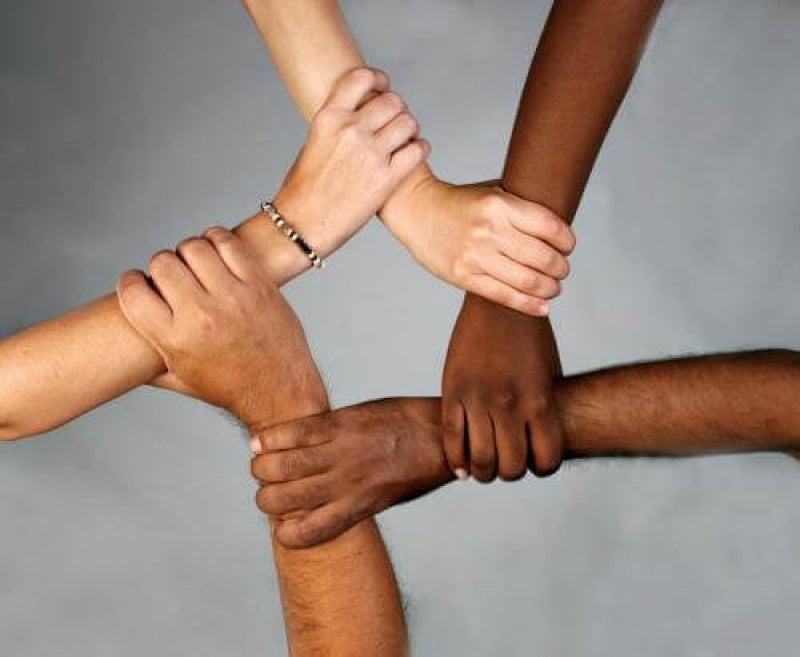
Should geneticists drop ‘race’ as a biological concept?

race and ethnicity

The GLP aggregated and excerpted this blog/article to reflect the diversity of news, opinion and analysis.

If a team of scientists in Philadelphia and New York have their way, using race to categorize groups of people in biological and genetic research will be forever discontinued.

The concept of race in such research is “problematic at best and harmful at worst,” the researchers argued in a new paper published in the journal Science.

However, they also said that social scientists should continue to studyย race as a social constructย to better understand the impact of racism on health.

For more than a century, natural and social scientists have been arguing about whether race is a useful classificatory tool in the biological sciences — can it elucidate the relationship between humans and their evolutionary history, between humans and their health. In the wake of the U.S. Human Genome Project, the answer seemed to be a pretty resounding “no.”

In 2004, for example, Francis Collins, then head of the National Human Genome Research Institute and now director of the National Institutes of Health, called race a โ€œflawedโ€ and โ€œweakโ€ concept and argued that science needed to move beyond race. Yet, as our paper highlights, the use of race persist in genetics, despite voices like Collins, like Craig Venter — leaders in the field of genomics — who have called on the field to move beyond it.

Read full, original post:ย What Scientists Mean When They Say ‘Race’ Is Not Genetic

{{ reviewsTotal }}{{ options.labels.singularReviewCountLabel }}
{{ reviewsTotal }}{{ options.labels.pluralReviewCountLabel }}
{{ options.labels.newReviewButton }}
{{ userData.canReview.message }}

Related Articles

Infographic: Global regulatory and health research agencies on whether glyphosate causes cancer

Infographic: Global regulatory and health research agencies on whether glyphosate causes cancer

Does glyphosateโ€”the world's most heavily-used herbicideโ€”pose serious harm to humans? Is it carcinogenic? Those issues are of both legal and ...

Most Popular

Screenshot-2026-06-05-at-2.12.30-PM
Some plants can poison you. So how did humans figure out what is safe to eat?
Credit: ACSH
Viewpoint: Who and whatโ€™s to blame for the surge in vaccine-preventable diseases?
Organic-Produce
Viewpoint: Why you should ignore organic food advocatesโ€™ advice to avoid โ€˜pesticide soakedโ€™ conventional fruits and vegetables
ChatGPT-Image-Jun-5-2026-01_17_48-PM
GLP-1 weight-loss drugs may reshape our desires and emotions
Screenshot-2026-06-05-at-11.12.44-AM
โ€˜Protecting religious liberty and parental authorityโ€™: Challenging expert guidance, Trump signs off on Kennedyโ€™s gutting of childhood vaccine schedule
ChatGPT-Image-Mar-10-2026-01_39_01-PM
Viewpointโ€”โ€œMiracle moleculeโ€ debunked: Why acemannan supplements donโ€™t work
Screenshot 2026-06-05 at 12.14
โ€˜Nicotine-free generationโ€™: Should the U.S. emulate Britain and ban all nicotine products, from cigarettes to vapes?
Screenshot 2026-05-26 at 10.15
Viewpoint: Double standardโ€”Why does the wellness industry get a free pass while Big Healthcare is treated as morally suspect?
Screenshot-2026-06-04-at-12.05.08-PM
Cases of brain inflammation surge as U.S. measles pandemic approaches 2000
ChatGPT-Image-Jun-4-2026-11_49_36-AM-2
โ€˜You donโ€™t understand Tolkienโ€™: Skeptic Pope trolls tech giants about the exaggerated, risk-less benefits of AI
ChatGPT-Image-May-26-2026-07_51_21-AM-2
Viewpoint: There are more than 1,000 chemicals in a cup of coffeeโ€”including many substances that can cause cancer. Why isnโ€™t it banned?
Picture1
Sounds we canโ€™t hear โ€” the hidden planetary signals behind science, fear, and misinformation
edb7f6d7-2370-418f-9578-74e29678e35c
Facts & Fallacies Podcast: Nicotine vapingโ€”public health miracle, or risk to children? Professor Cliff Douglas

glp menu logo outlined

Get news on human & agricultural genetics and biotechnology delivered to your inbox.