Genetic mutation discovered in barley that increases salinity tolerance

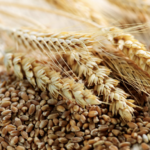
Researchers looking to identify the genetic controls of salt tolerance in crops located a specific point on a chromosome (2H). Under saline conditions, 30% more barley plants were grown with this genetic mutation when compared to a common mother line.

The findings are of potentially great value as projected figures place the world population at nine billion people by 2050.

Producing sufficient food even now is limited by soil salinity , especially in irrigated systems.

While barley’s economic importance has proved of immense value, it has also proved a suitable cereal crop for studying salinity tolerance in plants because it is highly salt-tolerant.

. . . .

The team then assessed ten traits related to crop performance, such as flowering time, and looked for specific plant genes that flourished in highly saline soils.

One locus positioned on chromosome 2H originated from a father line from north-west Iraq and yielded 30% more barley…

. . . .

Tester’s colleagues next want to look at including this locus, with others linked to salt tolerance, into commercial lines. The resulting plants could then be tested in a number of geographical environments.

The GLP aggregated and excerpted this blog/article to reflect the diversity of news, opinion and analysis. Read full, original post: Genetically engineered barley yields 30% more in salty soil: Study

{{ reviewsTotal }}{{ options.labels.singularReviewCountLabel }}
{{ reviewsTotal }}{{ options.labels.pluralReviewCountLabel }}
{{ options.labels.newReviewButton }}
{{ userData.canReview.message }}

Related Articles

Infographic: Global regulatory and health research agencies on whether glyphosate causes cancer

Infographic: Global regulatory and health research agencies on whether glyphosate causes cancer

Does glyphosate—the world's most heavily-used herbicide—pose serious harm to humans? Is it carcinogenic? Those issues are of both legal and ...

Most Popular

Picture1-5
Science Disinformation Gap: The transatlantic battle over social media and censorship
Screenshot-2026-04-23-at-11.00.36-AM
Regulators' dilemma: Thalidomide, Metformin, and the cost of getting drug approvals wrong
ChatGPT Image May 10, 2026, 08_16_59 PM 2
Overmedicalization? RFK Jr.’s antidepressant crackdown raises conflict questions over his fee stake in Wisner Baum, the tort firm built on suing drug makers
ChatGPT-Image-May-12-2026-08_39_41-PM
GLP podcast: Big Pharma, Big Ag, Big Food—health harming industries or life-saving innovators?
Screenshot-2026-05-12-at-9.58.31-PM
'He seems fine': Marty Makary out as FDA commissioner
Picture1-1
Cooling the planet with balloons: Could a geoengineering gamble slow global warming?
Picture1-14
When superbugs threaten vulnerable children: Can AI help solve antibiotic resistance?
Screenshot-2026-05-12-at-10.05.11-AM
Pro-vaccine “hero” vs. an anti-vax “villain”: ‘Bad Vaxx’ video stirs MAHA backlash
Screenshot-2026-05-11-104424
Hantavirus outbreak research: Trump administration shut down study last year on rodent-to-human transmission
Screenshot 2026-05-11 at 11.30
Despite politicized disinformation, Midwest AI data centers are fueling a solar energy boom
ChatGPT Image May 12, 2026, 10_19_00 AM 2
Viewpoint— 'Muscular governance': How authoritarianism is surging corporate-linked energy misinformation
Screenshot-2026-05-01-at-1.29.41-PM
Viewpoint: What happens when whole grains meet modern food manufacturing? Labels don’t tell the whole story.
S
As vaccine rejectionism spreads, measles may be taking a more dangerous turn
glp menu logo outlined

Get news on human & agricultural genetics and biotechnology delivered to your inbox.