Using genetics to establish ethnicity often ignores social context

Screen Shot at PM

Researchers often seek to gather empirical data to make objective conclusions about their research. But pure scientific objectivity may actually lead to biased results, according to one researcher.

Ruha Benjamin, a former postgraduate fellow at the UCLA Institute for Society and Genetics, spoke…about the dangers of removing social context from scientific research….

…

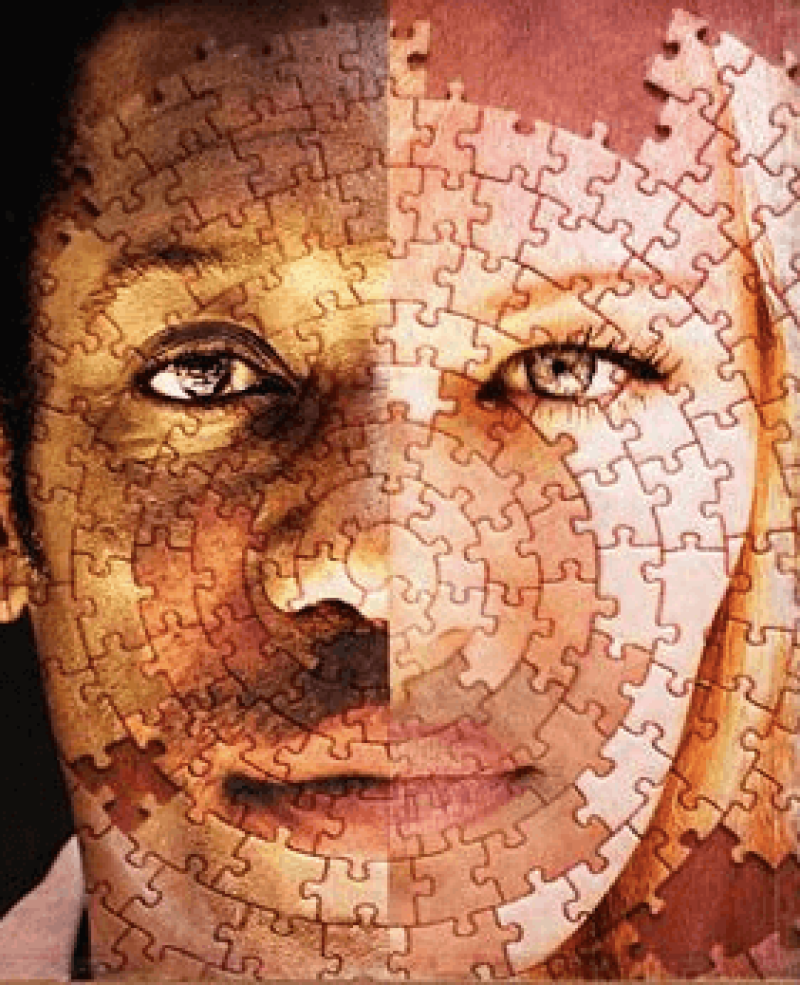
In her presentation, Benjamin discussed the emerging use of genetics by researchers to determine cultural identity…[and how] genetic testing is being used to qualify ethnicity, which disregards the social context of cultural identity.
She said the United Kingdom began administering genetic tests to asylum seekers in 2009 to determine the “true refugees” from an accepted list of nations like Somalia and the “fakes” from neighboring regions like Kenya. Similarly, ethnic groups in southern Africa have started using genetic testing to determine entrance to statehoods.

“In both cases [of genetic testing], officials sought an ‘objective’ technology to make decisions that would be free from bias,” said Aaron Panofsky, the vice chair for undergraduate education at the UCLA Institute for Society and Genetics. “But what they ended up with were decisions that reflected social biases.”

The GLP aggregated and excerpted this blog/article to reflect the diversity of news, opinion, and analysis. Read full, original post: Researcher challenges the idea of scientific neutrality at UCLA talk

Related Articles

Infographic: Global regulatory and health research agencies on whether glyphosate causes cancer

Infographic: Global regulatory and health research agencies on whether glyphosate causes cancer

Does glyphosate—the world's most heavily-used herbicide—pose serious harm to humans? Is it carcinogenic? Those issues are of both legal and ...

Most Popular

ChatGPT-Image-Mar-10-2026-01_39_01-PM
Viewpoint—“Miracle molecule” debunked: Why acemannan supplements don’t work
ChatGPT-Image-Sep-23-2026-02_36_39-PM
Viewpoint: After firing the entire National Science Board, Trump reshapes funding initiatives. Here’s the good and the bad.
ChatGPT-Image-Sep-10-2026-10_36_07-AM
Viewpoint: Even lousy scientific articles can shield authors when they hype dubious health claims and products
generated-1790707585414
Facts & Fallacies podcast: America's health care system is broken. A doctor explains how to fix it
ChatGPT-Image-Sep-21-2026-03_15_09-PM
Viewpoint: Chipotle-inspired lesson: 10,000 sick customers suggest that processed foods can be safer than fresh ones
ChatGPT-Image-Sep-21-2026-11_54_00-AM
Viewpoint: Activist environmental NGOs are turning from public funding to activist billionaires to support their campaigns. It won’t end well.
Screenshot 2026-08-12 at 1.22
Activists vs. Scientists: Could “Butterfly Effect” fears derail gene-drive research targeting the flesh-eating screwworm?
sorghum farmers in kenya FARMERS TREND
Here are all the ways CRISPR gene editing is transforming Africa’s staple crops—and there’s a lot more innovation to come
Screenshot-2026-09-16-at-10.27.33-AM
Viewpoint: SCOTUS poised to address First Amendment tension between mandatory vaccines, children’s health and religious freedom 
glp menu logo outlined

Get news on human & agricultural genetics and biotechnology delivered to your inbox.