Our technology-driven 4th Industrial Revolution–What questions should be asked?

AAEAAQAAAAAAAAg AAAAJDZiYTBjM JlLTBlZGMtNDdmYy hNjdkLTk NzUyZDFjMGM Mg

We live in an age of transformative scientific powers, capable of changing the very nature of the human species and radically remaking the planet itself.

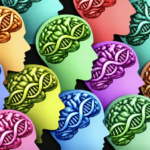
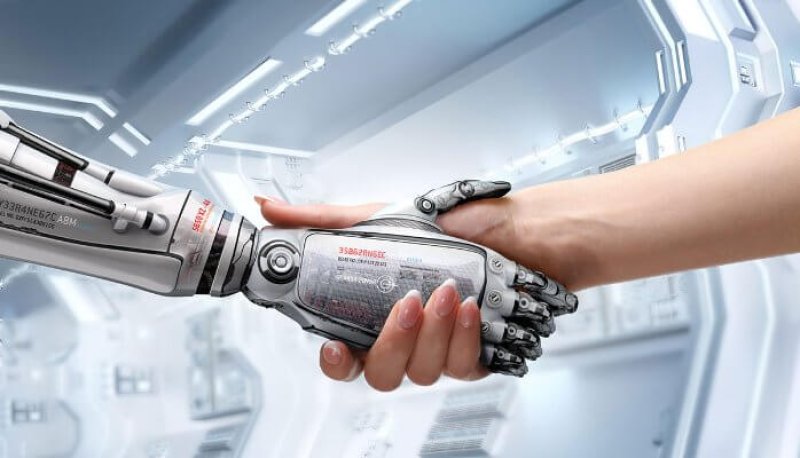
Advances in information technologies and artificial intelligence are combining with advances in the biological sciences; including genetics, reproductive technologies, neuroscience, synthetic biology; as well as advances in the physical sciences to create breathtaking synergies – now recognized as the Fourth Industrial Revolution.

….

Since these technologies will ultimately decide so much of our future, it is deeply irresponsible not to consider together whether and how to deploy them.

1. Should the technology be developed in the first place?

2. If a technology is going to proceed, to what ends should it be deployed?

3. If the technology is to go forward, how should it proceed?

4. Once norms have been set, how will the field be monitored to ensure adherence?

[W]e should commit to equity – to doing all that is possible to ensure that all people, regardless of their economic means, will have access to technology’s benefits.

The GLP aggregated and excerpted this blog/article to reflect the diversity of news, opinion, and analysis. Read full, original post: The 4 big ethical questions of the Fourth Industrial Revolution

{{ reviewsTotal }}{{ options.labels.singularReviewCountLabel }}
{{ reviewsTotal }}{{ options.labels.pluralReviewCountLabel }}
{{ options.labels.newReviewButton }}
{{ userData.canReview.message }}

Related Articles

Infographic: Global regulatory and health research agencies on whether glyphosate causes cancer

Infographic: Global regulatory and health research agencies on whether glyphosate causes cancer

Does glyphosate—the world's most heavily-used herbicide—pose serious harm to humans? Is it carcinogenic? Those issues are of both legal and ...

Most Popular

Screenshot-2026-04-14-at-11.11.06-AM
‘Turbo cancer’ or mRNA cancer cure? Strategies to counter misinformation
ChatGPT Image May 28, 2026, 08_16_38 PM
Viewpoint: Why the EPA mismeasures cancer risk of chemicals and what should be done to fix it
fda_logo_decimated
Viewpoint: RFK, Jr.’s FDA is on a screaming downward path—and why it may never recover
edb7f6d7-2370-418f-9578-74e29678e35c
Facts & Fallacies Podcast: Nicotine vaping—public health miracle, or risk to children? Professor Cliff Douglas
ChatGPT-Image-May-22-2026-10_56_42-AM-2
‘It’s not super useful’: As wariness about AI grows, Trump proposes rollback of healthcare safeguards
ChatGPT-Image-May-22-2026-10_26_09-AM
Gutting the National Science Board: How the Trump-RFK, Jr. crusade is erasing the separation of science and state
ChatGPT-Image-May-28-2026-11_31_47-AM-2
Relying on your doctor or AI miracle cure, death and debilitation? Neurologist makes the wrong choice
Screenshot-2026-05-27-at-10.51.25-AM
Viewpoint: ‘Monsanto’ blues—Planned Netflix movie promises yet another round of anti-glyphosate disinformation
ChatGPT-Image-Mar-10-2026-01_39_01-PM
Viewpoint—“Miracle molecule” debunked: Why acemannan supplements don’t work
ChatGPT-Image-May-26-2026-11_51_01-AM
Viewpoint: RFK, Jr.’s ‘sadistic’ solution to autism, depression, and other ills looks a lot like prison camp
Picture1
The Orange Bowl without oranges: Can CRISPR save Florida citrus?
vax-misinformation-main
Facts & Fallacies Podcast: Limit free speech to blunt social media misinfo?
Screenshot-2026-04-22-at-12.21.32-PM
Viewpoint: Why the retracted Monsanto glyphosate study doesn’t change the science—the world’s most popular herbicide is safe 
glp menu logo outlined

Get news on human & agricultural genetics and biotechnology delivered to your inbox.