Snapshots of patients’ faces may help identify genetic diseases

Screen Shot at PM

Many genetic conditions have a “face”—a distinctive constellation of features that provides a clue to a potential diagnosis. But identifying disease by observing a patient’s features, a practice known as dysmorphology, is one of geneticists’ biggest challenges.

The most skilled dysmorphologists tend to be older doctors who’ve been around the block, which makes sense; the more patients you see over a lifetime, the more features you observe. But even the most experienced practitioners haven’t laid eyes on every disease out there.

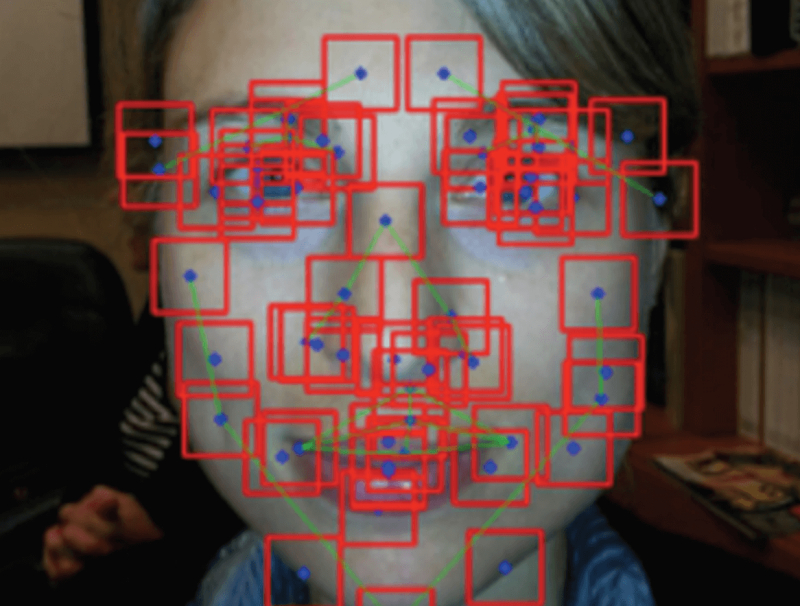
Face2Gene, a facial recognition software tool, can aid in rare disease diagnosis. Face2Gene compares pictures of a patient’s face with those of disease composites and returns a series of potential diagnoses, from most plausible to least.

Of the more than 7,000 known genetic syndromes, Face2Gene estimates that up to half have a distinct facial pattern that can be learned and used for diagnosis. Down syndrome, for example, is among the most common and is therefore easier to diagnose. But rarer conditions can prove more challenging.

The GLP aggregated and excerpted this blog/article to reflect the diversity of news, opinion, and analysis. Read full, original post: Diagnosing Disease with a Snapshot

{{ reviewsTotal }}{{ options.labels.singularReviewCountLabel }}
{{ reviewsTotal }}{{ options.labels.pluralReviewCountLabel }}
{{ options.labels.newReviewButton }}
{{ userData.canReview.message }}

Related Articles

Infographic: Global regulatory and health research agencies on whether glyphosate causes cancer

Infographic: Global regulatory and health research agencies on whether glyphosate causes cancer

Does glyphosate—the world's most heavily-used herbicide—pose serious harm to humans? Is it carcinogenic? Those issues are of both legal and ...

Most Popular

ChatGPT Image Jun 3, 2026, 03_54_37 PM
Viewpoint: “Turn on, tune in, drop out”—Kennedy embraces the Timothy Leary psychedelic revolution
ChatGPT-Image-Jun-11-2026-01_15_03-PM
Selective Pressure, Selective Silence
Screenshot-2026-06-05-at-2.12.30-PM
Some plants can poison you. So how did humans figure out what is safe to eat?
ChatGPT Image Jun 3, 2026, 03_14_43 PM
Viewpoint: How Earthjustice became the poster child for the abuse of special interest activist funding
Screenshot-2026-06-11-at-3.40.06-PM
'Toxin' detox: A gastroenterologist weighs in on $71 billion health trend
Screenshot-2026-06-03-at-1.24.46-PM
Challenging anti-GMO disinformation: Why genetically-tweaked crops offer bushels of benefits
Screenshot-2026-06-05-at-1.44.09-PM
Viewpoint: Scientists have scrapped the worst-case climate scenario. Is that proof that climate change is a hoax, as Trump claims?
ChatGPT Image May 28, 2026, 08_16_38 PM
Viewpoint: Why the EPA mismeasures cancer risk of chemicals and what should be done to fix it
artificial intelligence brain think illustration md
Viewpoint — Digital gods and human extinction: Will we be the first species ever to design our own descendants?
ChatGPT Image Jun 1, 2026, 11_39_17 AM
Viewpoint: When food myths go viral, farmers pay the price

Sorry. No data so far.

glp menu logo outlined

Get news on human & agricultural genetics and biotechnology delivered to your inbox.