
GM baker’s yeast could one day provide caffeine addicts with their next fix

yeast
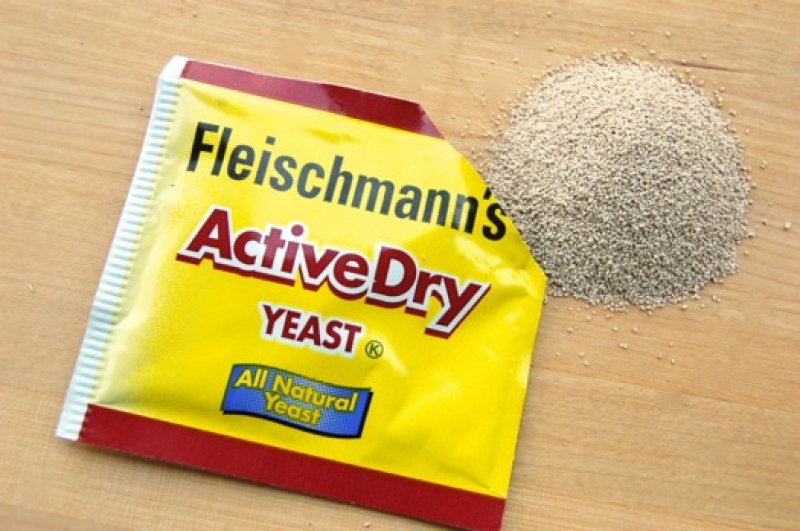
Scientists are attempting to create yeast cells, shown above, with fully artificial DNA. Credit: MIT Technology Review.

The proliferation of coffee shops and energy drinks bears testimony to the fact that caffeine is in high demand. The stimulant is even added to some medicine, like Excedrin Migraine. However, because only a handful of plants produce it, there has been some interest in creating caffeine synthetically. One approach would be to genetically engineer microbes capable of producing the molecule.

The trouble with this method is that caffeine is toxic to many microorganisms. (Caffeine is also a natural insecticide.) So, if microbes are to be used as tiny caffeine factories, they will first need to be made resistant to its noxious effects. A team of molecular biologists based mostly in China has accomplished just that using baker’s yeast, Saccharomyces cerevisiae.

The researchers were aware that some kinds of yeast contain special membrane proteins that confer antibiotic resistance by pumping the antibiotics out of the cells. One of these proteins is encoded by a gene called bfr1. The team isolated this gene and randomly introduced mutations into it, with the hope that they would create an altered gene that was capable of pumping caffeine out of yeast cells.

After screening one million mutants, the authors identified one that conferred yeast cells with an amazing ability to resist caffeine.


…

If synthetic biology lives up to its promise, microbes may become the primary source of caffeine additives in the future.

The GLP aggregated and excerpted this blog/article to reflect the diversity of news, opinion, and analysis. Read full, original post: Genetically Engineered Yeast Is Resistant To Caffeine


Related Articles

Infographic: Global regulatory and health research agencies on whether glyphosate causes cancer

Infographic: Global regulatory and health research agencies on whether glyphosate causes cancer

Does glyphosate—the world's most heavily-used herbicide—pose serious harm to humans? Is it carcinogenic? Those issues are of both legal and ...

Most Popular

Weed Killer, Gavel, and Cash on Wood Table
Who were the biggest winners in Bayer’s $7.25 billion glyphosate settlement? The tort lawyers, natch
Donkey Symbol Meets Speaking Politician
Democrats’ bid to win over MAHA voters faces a hard limit: Their loyalty to RFK Jr.
ChatGPT-Image-Mar-10-2026-01_39_01-PM
Viewpoint—“Miracle molecule” debunked: Why acemannan supplements don’t work
PFAS Molecules and Hazard Icons
Viewpoint: $$$ Billions of reasons why environmental activists are trying to slap a ‘killer PFAS’ label on many safe and essential ‘forever chemicals’
Screenshot-2026-11-24-at-11.07.44-AM
Here's a sure way to increase testosterone levels and jack up your sex drive
Pastel Breakfast Pedestals with Yogurt Bowl
RFK Jr. is about to issue an edict defining ultra-processed foods. What could go wrong?
Neon-AI-Globe-Network
Viewpoint: The three biggest threats posed by AI hyper-intelligence
Screenshot-2026-11-16-at-2.37.32-PM
30 years of GMO farming: Is the boom in glyphosate and glufosinate use harming the environment? Data show they’re the most sustainable choice
Screenshot 2026-11-24 at 1.51
Viewpoint: Embrace aging and reject the longevity industry’s eternal-life delusion
glp menu logo outlined

Get news on human & agricultural genetics and biotechnology delivered to your inbox.














