Nestlé moves towards high tech, genetically tailored nutrition

Screen Shot at AM
Nestle/Flickr

The modern food movement has brought us to a fork in the road. On one path are people who say … sticking close to nature and whole foods is the safest bet for achieving nourishment.

The other vision prescribes that the best diet is one that is … tinkered with by scientists to help us attain our maximum health and eventually prevent chronic illness. It is more obscure and decidedly high tech.

This is where Peter Brabeck-Letmathe, … [is] casting Nestlé … as the vessel to deliver a new, scientifically engineered Garden of Eden.

. . . .

Nestlé, of course, has been fortifying food since founder Henri Nestlé began selling an iron-enriched infant cereal called “Farine Lactée” in 1867….

. . . .

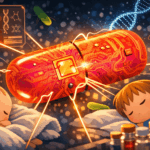
…In Brabeck-Latmathe’s future, people will undergo health testing … to learn more about the genetic material of the microbes … living inside their bodies. …the tests would analyze genetics, caloric levels, predisposed illnesses, and more. Such information would allow Nestlé to create products that essentially act as medicine to alleviate known health issues.

. . . .

As the company incorporates its know-how into hardware, it will further develop its food products, sweeping out more sugars, salts and preservatives, replacing them with micronutrients and potentially with phytonutrients….

The GLP aggregated and excerpted this blog/article to reflect the diversity of news, opinion and analysis. Read full, original post: “Nature is not good to human beings”: The chairman of the world’s biggest food company makes the case for a new kind of diet


{{ reviewsTotal }}{{ options.labels.singularReviewCountLabel }}
{{ reviewsTotal }}{{ options.labels.pluralReviewCountLabel }}
{{ options.labels.newReviewButton }}
{{ userData.canReview.message }}

Related Articles

Infographic: Global regulatory and health research agencies on whether glyphosate causes cancer

Infographic: Global regulatory and health research agencies on whether glyphosate causes cancer

Does glyphosate—the world's most heavily-used herbicide—pose serious harm to humans? Is it carcinogenic? Those issues are of both legal and ...

Most Popular

Picture1-5
Science Disinformation Gap: The transatlantic battle over social media and censorship
Screenshot-2026-04-23-at-11.00.36-AM
Regulators' dilemma: Thalidomide, Metformin, and the cost of getting drug approvals wrong
ChatGPT-Image-May-12-2026-08_39_41-PM
GLP podcast: Big Pharma, Big Ag, Big Food—health harming industries or life-saving innovators?
Screenshot-2026-05-12-at-9.58.31-PM
'He seems fine': Marty Makary out as FDA commissioner
ChatGPT Image May 10, 2026, 08_16_59 PM 2
Overmedicalization? RFK Jr.’s antidepressant crackdown raises conflict questions over his fee stake in Wisner Baum, the tort firm built on suing drug makers
Screenshot-2026-05-12-at-10.05.11-AM
Pro-vaccine “hero” vs. an anti-vax “villain”: ‘Bad Vaxx’ video stirs MAHA backlash
Picture1-1
Cooling the planet with balloons: Could a geoengineering gamble slow global warming?

Screenshot-2026-05-01-at-1.29.41-PM
Viewpoint: What happens when whole grains meet modern food manufacturing? Labels don’t tell the whole story.
ChatGPT Image May 12, 2026, 10_19_00 AM 2
Viewpoint— 'Muscular governance': How authoritarianism is surging corporate-linked energy misinformation
Screenshot-2026-05-11-104424
Hantavirus outbreak research: Trump administration shut down study last year on rodent-to-human transmission
ChatGPT-Image-Apr-13-2026-02_20_22-PM
Viewpoint: Misinformation infodemic? Why assessing evidence is so challenging 
S
As vaccine rejectionism spreads, measles may be taking a more dangerous turn
Picture1-14
When superbugs threaten vulnerable children: Can AI help solve antibiotic resistance?
glp menu logo outlined

Get news on human & agricultural genetics and biotechnology delivered to your inbox.