Video GMO story: The near death and rescue of the Hawaiian papaya

Screen Shot at AM

The tiny anti-GMO movement in Hawaii grew into a sizable force in 2013-14, thanks largely to funding and directional support from organizations on the US mainland. As the movement expanded and sought to destroy the GM seed crops that comprise the most valuable sector of Hawaii agriculture, it deeply divided  rural communities throughout the state.

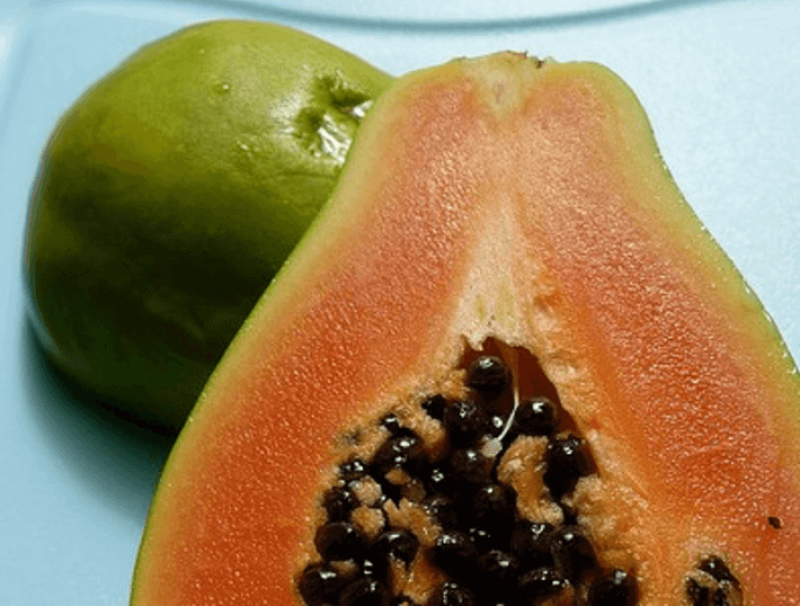
University of Hawaii researchers and conventional farmers were suddenly under intense scrutiny, especially farmers growing papayas that had been genetically engineered to resist the devastating ringspot virus.

As a longtime Hawaii reporter who had extensively chronicled the fear-mongering and false information spread by the anti-GMO movement, I saw the need to inform people about the situation in the Islands and the reality of biotechnology. The result is this documentary, which I wrote, directed and produced for the Cornell Alliance for Science. It tells the story of what happened in the Islands  from the perspective of a papaya farmer and his daughter, with University of Hawaii scientists and other farmers weighing in.

Their message is one of inclusivity, dialogue and discussion to help bridge the divide and ensure the success of agriculture in the Islands and elsewhere.

Joan Conrow is a longtime Hawaii journalist and blogger who has written extensively about agricultural, environmental and political issues. She is a Visiting Fellow at the Cornell Alliance for Science and a member of its multimedia team. @joanconrow


{{ reviewsTotal }}{{ options.labels.singularReviewCountLabel }}
{{ reviewsTotal }}{{ options.labels.pluralReviewCountLabel }}
{{ options.labels.newReviewButton }}
{{ userData.canReview.message }}

Related Articles

Infographic: Global regulatory and health research agencies on whether glyphosate causes cancer

Infographic: Global regulatory and health research agencies on whether glyphosate causes cancer

Does glyphosate—the world's most heavily-used herbicide—pose serious harm to humans? Is it carcinogenic? Those issues are of both legal and ...

Most Popular

ChatGPT-Image-Mar-10-2026-01_39_01-PM
Viewpoint—“Miracle molecule” debunked: Why acemannan supplements don’t work
ChatGPT-Image-Jun-25-2026-01_14_50-PM
Viewpoint: Disinformation grift: The wellness industry is a lucrative and mostly worthless marketplace of ‘balms, brews, and baloney’
ChatGPT-Image-Jun-25-2026-12_23_17-PM
No, Bill Gates did not secretly engineer ticks to promote veganism
ChatGPT-Image-Jun-30-2026-01_09_47-PM
Viewpoint: As MAHA blows up over Supreme Court ruling limiting glyphosate litigation, Trump offers toothless plan to reduce pesticides in food
ChatGPT-Image-Jun-23-2026-12_19_35-PM
Ideological red flag: Led by anti-vax doctor, Tennessee is now the U.S. epicenter selling potent ivermectin shown worthless to prevent or treat Covid
ChatGPT-Image-Mar-4-2026-09_39_03-AM
Transgender female athletes and Title IX: Separating ‘policy’ from ‘legality’
Screenshot-2026-06-30-at-10.43.50-AM
Viewpoint: Why are there no approved bioengineered insect-protected (Bt) apples?
Screenshot-2026-06-30-at-3.08.03-PM
From infrared sauna blankets to collagen gummies, here’s the top 10 social-media-promoted wellness shams
marijuana-pot-in-hand-nveri-st-xpm-t-abq-fkifeos-s-rws-cmpx-
Facts & Fallacies podcast: Legalized weed drives drug addiction, psychosis?
photodune farming tractor s
Viewpoint: Glyphosate may be hazardous, but it is not dangerous as used by farmers. Critics of the Supreme Court’s Roundup ruling garble hazard with risk

Sorry. No data so far.

glp menu logo outlined

Get news on human & agricultural genetics and biotechnology delivered to your inbox.