


Ancestry & Evolution

Evolution of lactose tolerance: How humans (recently) became able to digest milk, cheese and other dairy products
In a study published [July 27] in Nature, researchers compared archaeological evidence for 9,000 years of European milk use with genetics, and found ...
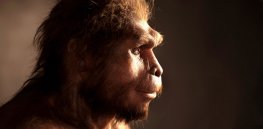
‘Mosaic nature of human evolution’: At what point did we become human?
The study of the genomes of our closest relatives, the Neanderthals and Denisovans, has opened up new research paths that ...
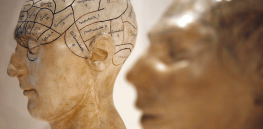
‘Picturing the mind’: These clever illustrations help us understand how consciousness evolved
What is consciousness, and who (or what) is conscious — humans, nonhumans, nonliving beings? Which varieties of consciousness do we ...

Ant colonies function like giant human brains
Ants combine sensory information about their environment with parameters of their colony to arrive at a group response. Most interestingly ...

Exploring Prophet Muhammad’s Hebraic descent
In the West, the discussion on the origins of Prophet Muhammad has been the subject of limited studies. Traditional and ...
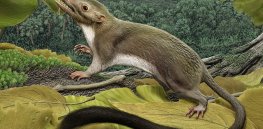
‘Fast burst evolution’: Warm-blooded animals appear to have evolved very suddenly, enabling larger brains and higher levels of activity
A new study, published in Nature, suggests that ancestors of mammals known as mammaliamorphs abruptly went from being cold-blooded ectotherms ...
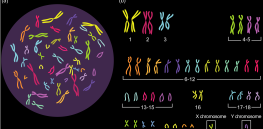
‘70% of human eggs have the wrong number of chromosomes’: Here’s why so many people struggle with fertility
About half of fertilised eggs die very early on, before a mother even knows she is pregnant. Tragically, many of ...
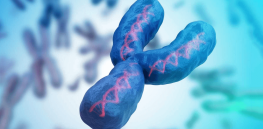
The hapless male Y chromosome finally has a purpose
I’ve never been fond of the human Y chromosome. Yes, the all-important SRY gene sets the early embryo on a path towards ...
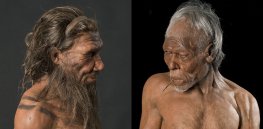
Humans are mutts: New discoveries upend long-held views of evolution
Among human species, analysis of alternative types has been confined to Neanderthals and Denisovans, so far. And we have discovered ...

What are the genetic origins of the 5 senses?
Researchers from the University of Innsbruck have determined the genetic origin of our senses. The findings reveal that vertebrate cranial ...
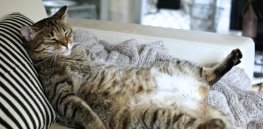
‘They are perfect’: Why cats have remained virtually unchanged through centuries of domestication
The biggest-ever genetic analysis of cats is in, and it’s official: they are cats. After two centuries of breeding, cats ...

Podcast: Guardian’s glyphosate hysteria debunked; Intensive farming and pandemics; Where did dogs come from?
There's probably minute quantities of weedkiller in your urine. Should you panic? No. Will technological advances in farming reduce or ...
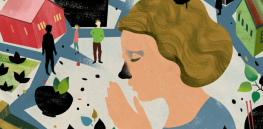
‘Disconnection, isolation, depression’: Long COVID has heightened our awareness of the critical role sense plays in life
The number of people experiencing lost or distorted olfaction has risen astronomically during the COVID-19 pandemic. One study indicates that ...

Humans live well beyond the reproductive phase of life — unlike many other animals. Why?
According to long-standing canon in evolutionary biology, natural selection is cruelly selfish, favoring traits that help promote reproductive success. This ...
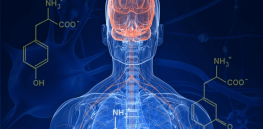
Infographic: Did you know the human body is made up of zinc, copper and cobalt? Here are the chemicals that make up who we are
The human body is a miraculous, well-oiled, and exceptionally complex machine. It requires a multitude of functioning parts to come ...

Ancient human brains reveal that our ancestors meditated to relieve stress
Scientists have discovered that humans, unlike our Neanderthal cousins, evolved the ability to meditate to deal with both past and ...
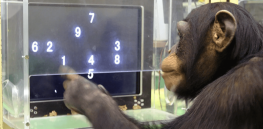
What we know about how animals think, see and feel
The history of our observations of our fellow creatures is a series of corrected mistakes and solved mysteries as we’ve ...
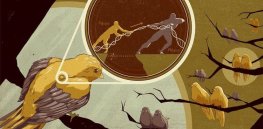
‘Genetic bottlenecks’: How war, famine and disease contributed to human evolution
Human populations have waxed and waned over the millennia, with some cultures exploding and migrating to new areas or new ...
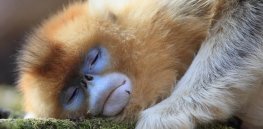
Humans sleep away ⅓ of their lives, but it’s a lot less than other primates. Here’s why
Research has shown that people in non-industrial societies — the closest thing to the kind of setting our species evolved ...
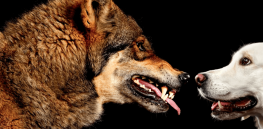
We finally know how modern dogs arose from ancient wolf populations
The tale of how grey wolves became the pet dog of today has received a new twist, with research suggesting ...
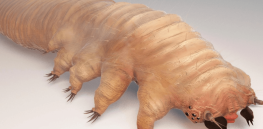
Our faces swarm with microscopic mites — and they are evolving to permanently merge with us
Most people on Earth are habitats for mites that spend the majority of their brief lives burrowed, head-first, in our ...
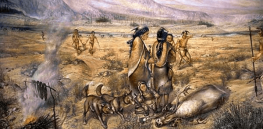
Podcast: A genetic history of the Americas before European colonialism
How the first people migrated to the Americas nearly 20,000 years ago, how genomes showcase the very close relatedness of ...

18,000 years of cannabis: A genetic history of marijuana
Cannabis and humans, it’s hard to think of a better pair. Homo Sapiens owe much of our success as a ...
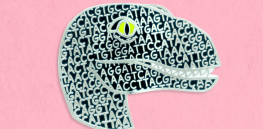
DNA and gene editing are the real stars of the new Jurassic Park movie
In Jurassic World: Dominion, the science is mostly accurate, the bioethics message obvious, and the plot adheres to Isaac Asimov’s ...
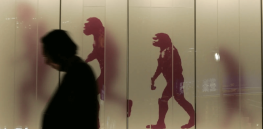
‘Absurdly crude and misleading’: Why some scientists believe evolution theory could be due for an update
The basic story of evolution, as recounted in countless textbooks and pop-science bestsellers, is absurdly crude and misleading ...

‘Special skills’: How dyslexia helped the human race survive
People with dyslexia have special skills that enabled our species to survive. They are better at solving problems and adapting ...
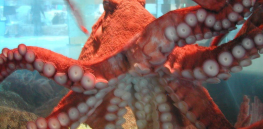
Human and octopus brains share key similarities
The octopus and human brain share similar transposons, or “jumping genes” – a type of genes that can move from ...
